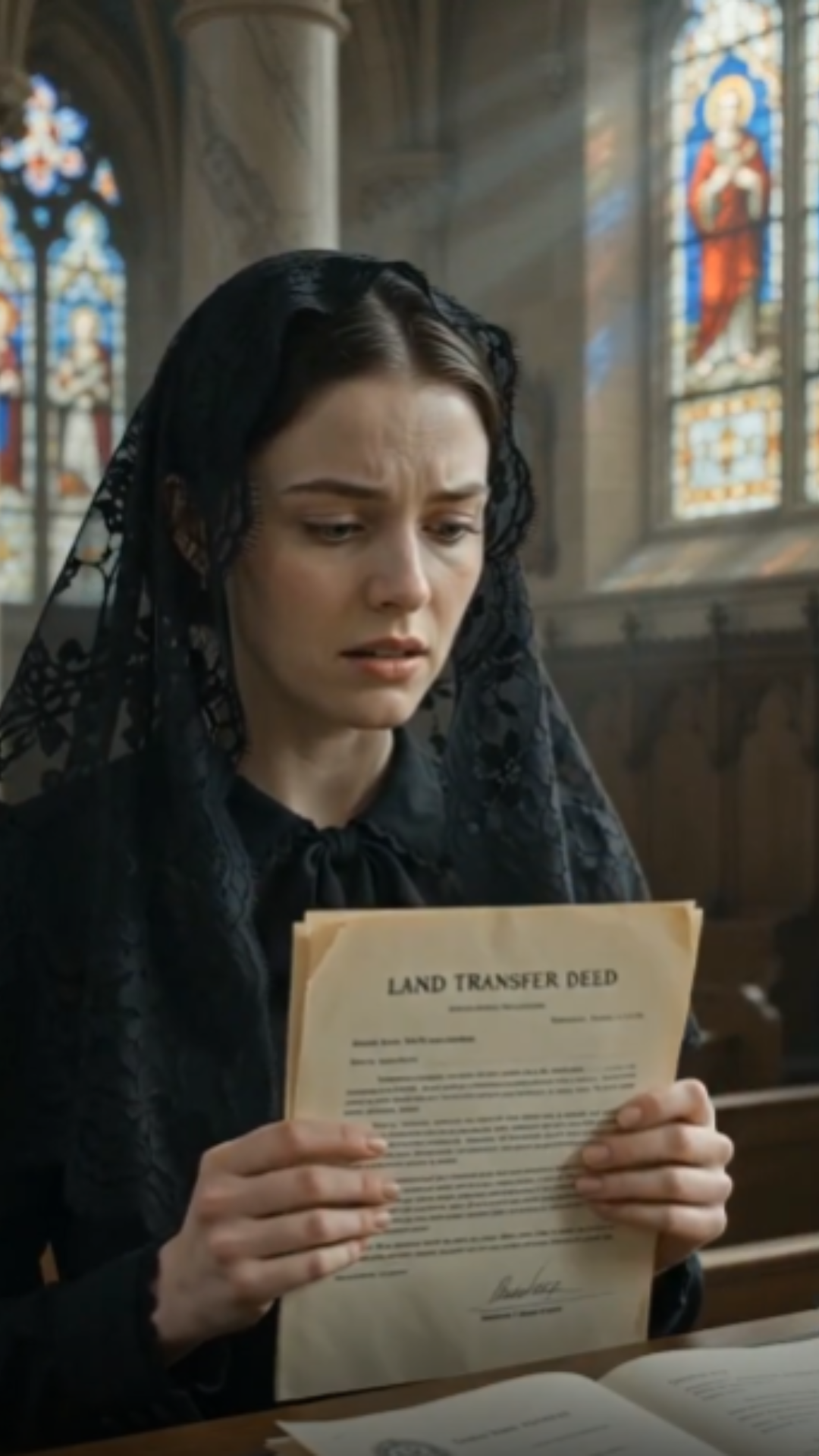
Silence in this hall costs more than the marble under our shoes, the estate attorney said, opening the black leather portfolio before sixty silent mourners.


I sat heavily on the cold concrete floor of the basement vault, the 2014 agreement spread out on my lap, my hands still trembling. My eyes scanned the fine print again and again, as if the words would change, would somehow offer a different explanation. They didn’t.
The contract was indisputable. Jin-Woo had not lost the Pilsen Cultural Center to Julian in a recent corporate takeover. He hadn’t succumbed to senility and signed away his legacy in a moment of weakness.
He had voluntarily, and deliberately, sold the cultural center’s development rights to Julian’s shell firm a decade ago. It was a transaction, a calculated exchange. A sale.
The $2.4 million figure screamed off the page. I remembered the scramble for my Columbia University tuition. My parents, always careful with money, had suddenly announced it was covered. Then the down payment for my downtown condo, appearing as if by magic. And my initial 5% equity stake in Chen & Ross, a gift from my grandfather, “to secure your future,” he’d said.
Every single professional advancement I had celebrated, every step of my privileged path, had been directly financed by the private destruction of the cultural heritage my grandfather had publicly championed.
The Pilsen Cultural Center, the symbol of his community values, the very ground I had been fighting to protect, was the cost of my elite education. The price of my professional identity.
I felt a wave of nausea. My entire identity as a principled, independent architect, a champion of cultural preservation, was a lie. It was built on a paid compromise, bought with the very land I had sworn was sacred. The irony was a bitter taste in my mouth. I had become the very thing I despised, not through my own choices, but through the secret actions of the man I had idealized.
More Stories





+ There are no comments
Add yours