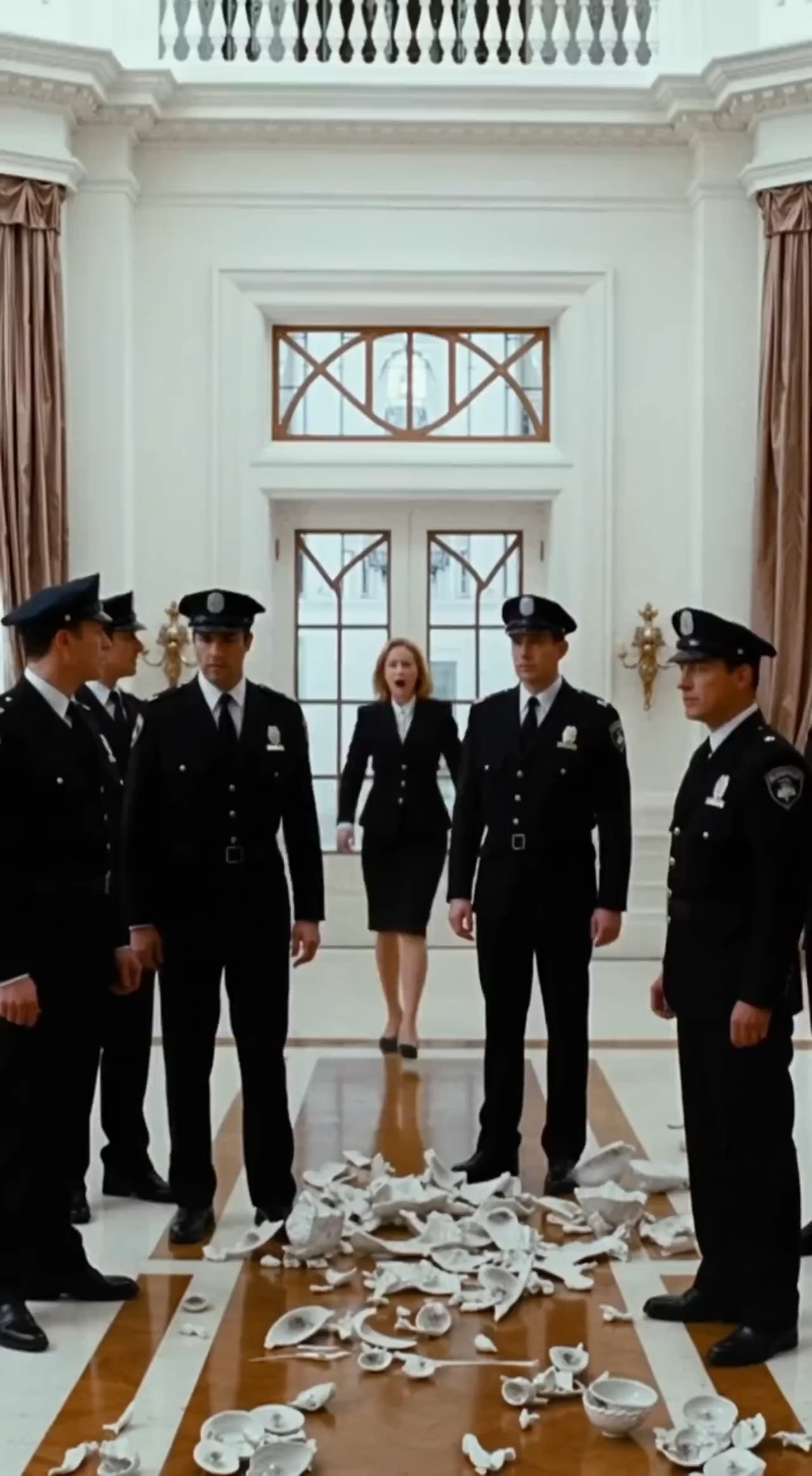
When a 66-Year-Old Estate Curator Is Framed by His Step-Mother Boss for Destroying $4 Million in Antiques, a Single Cashmere Fiber Exposes the Truth and Reshapes Their Family Legacy


A decade passed, folding into itself with the quiet inevitability of time. The initial shockwaves of the shattered porcelain incident receded, becoming a faded but persistent rumor in Boston society. Evelyn and I, bound by the joint governance pact and Beatrix’s enduring influence, continued our roles at the Lansdale Heritage Foundation. She remained Executive Chair, and I, Head Curator.
Our professional truce, forged in the crucible of public scandal and private anguish, solidified into a fragile, almost unspoken understanding. We navigated countless board meetings, fundraising galas, and exhibition openings. Evelyn’s aggressive modernization drive, once a source of bitter conflict, now found a more tempered expression, guided by my curatorial expertise. We collaborated on projects that brought the foundation modest, but consistent, success.
One notable achievement was the expansion of the foundation’s digital archives, a project Evelyn championed vigorously. “Accessibility, Arthur,” she’d said during a particularly tense planning session. “That is how a legacy truly endures, not locked behind velvet ropes.”
I had to admit, her vision for digital outreach was sound. It brought a new generation of scholars and enthusiasts to the Lansdale collection, fulfilling a part of my father’s original educational mission that had long been overlooked.
Our interactions were still formal, clipped. There were no shared laughs, no lingering glances of warmth. But there were moments. Fleeting glimpses of a different connection, buried beneath years of hurt.
I remembered one evening, after a particularly grueling negotiation with a European art dealer. We had secured a rare first edition of a botanical encyclopedia that would complement our existing collection beautifully.
As the dealer left, Evelyn sank into a leather armchair in my office, rubbing her temples. “That man,” she exhaled, a rare, unguarded sound. “He nearly drove me mad.”
I allowed myself a small, uncharacteristic smile. “He’s famously difficult. But the book… it’s magnificent. Your persistence paid off.”
She looked at me then, a flicker of something undefinable in her eyes – perhaps gratitude, perhaps weary camaraderie. “Our persistence, Arthur,” she corrected, her voice soft. “It was a joint effort.”
That was as close as we ever got to acknowledging the human connection between us. A fragile mutual forgiveness, like a priceless artifact mended with gold-leaf lacquer, the cracks still visible but embraced as part of its history.
Clara, now a senior partner at her law firm, observed our dynamic with a blend of amusement and resignation. “You two have achieved a kind of détente, Dad. It’s not the family reunion Hallmark sells, but it’s steady. It’s real.”
The Lansdale name, once whispered with a mix of awe and scandal, now elicited respect. We had not only rebuilt the physical gallery but had also, slowly, painstakingly, mended the reputation of the foundation itself. It was a testament to our individual wills, yes, but also to the unexpected strength of our shared, albeit reluctant, commitment to a future that honored the past, rather than destroyed it.
As I entered my early seventies, I found a measure of peace in this hard-won stability. The daily grind of curating, preserving, and managing, once fraught with existential dread, now felt purposeful. Evelyn and I had become an unlikely, yet effective, partnership. The pain never truly vanished, but it had receded, becoming a quiet background hum rather than a jarring discord. Our shared stewardship ensured that the Lansdale legacy, though forever marked by that shattering night, endured.
More Stories







+ There are no comments
Add yours