
#content-1
The Sweet Myth: Are You Paying for Pure Nature or a Sugar Imposter?
The Cost of Trust: The Global Challenge of Honey Adulteration
- The allure of “natural” products often blinds consumers.
- Mislabeled and adulterated honey is a widespread issue in global markets.
- Economic incentives drive producers to dilute or imitate pure honey.
Understanding the Deception: A Look at Market Psychology and Consumer Trust
- Marketing strategies often leverage consumer desire for health benefits.
- Food fraud erodes trust and impacts consumer perception of quality.
- The psychological discomfort of realizing a premium purchase is deceptive.
- Research highlights how product claims influence consumer buying decisions.
The Chemistry of Sweetness: What Distinguishes Real Honey from Imitations
- Natural honey boasts a complex blend of sugars, enzymes, and compounds.
- Fake honey typically relies on simple sugar syrups like corn or rice syrup.
- These distinct compositions lead to different physical properties and behaviors.
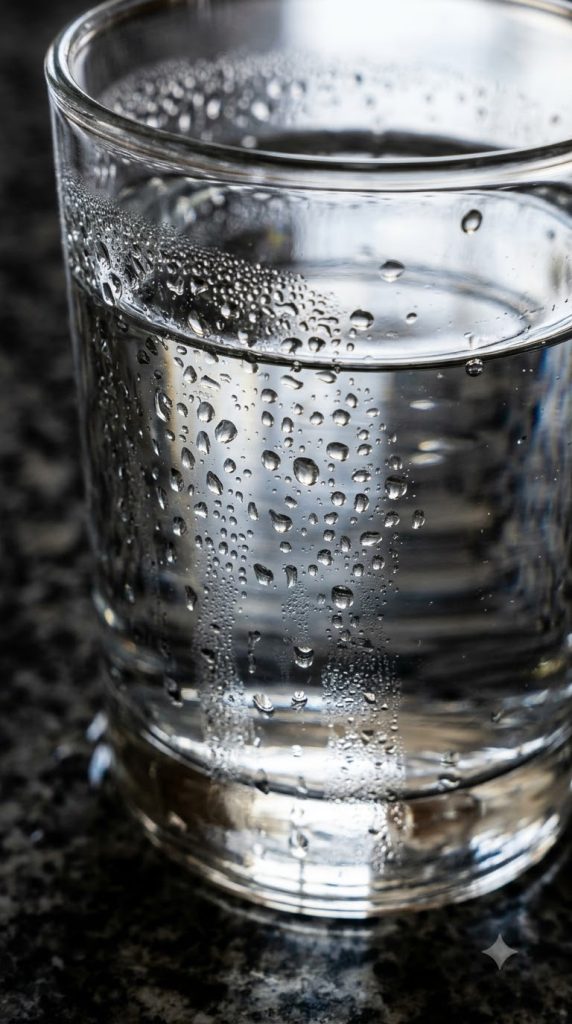
Beyond the Label: Deciphering Honey’s True Nature with Scientific Principles
Step 1: Identification – Recognizing the Need for Vigilance
- Don’t just trust the label; empower yourself with quick verification methods.
- Adulterated honey lacks the therapeutic benefits of pure, natural honey.
- Understanding key physical characteristics helps you identify potential fraud.
Step 2: Mechanism – The Science Behind the Simple Tests
- The Water Test: Principle of Density and Solubility
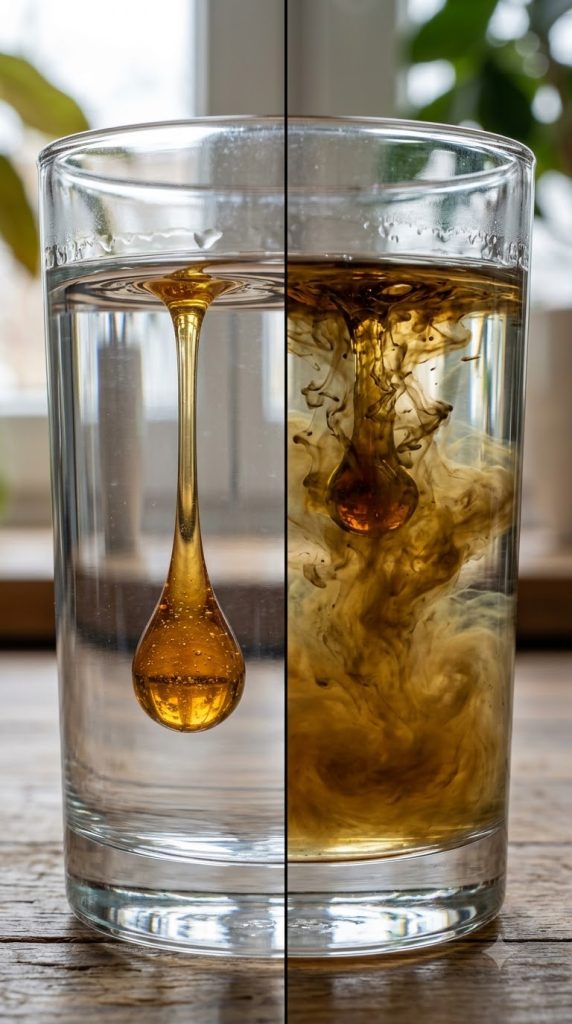
- Pure honey’s high density and unique sugar structure make it resistant to immediate dissolution.
- It typically sinks and maintains its form when dropped into cool water.
- This demonstrates principles of specific gravity and molecular cohesion.
- The Paper Towel Test: Principle of Viscosity and Water Absorption
- Natural honey has very low water content and high viscosity.
- This prevents it from soaking rapidly into porous materials like paper.
- The test relies on concepts of hygroscopy and surface tension.
Step 3: Execution – Performing the 10-Second Purity Tests
- The Water Test: A Step-by-Step Guide to Clarity
- Fill a glass with cool water; have your suspect honey ready.
- Carefully drop a small amount of honey into the water without stirring.
- Observe: Real honey settles as a lump; fake honey dissolves quickly.
- The Paper Towel Test: Quick and Easy Verification
- Place a small drop of honey onto a clean paper towel.
- Watch how the honey interacts with the paper’s surface.
- Observe: Pure honey beads on top; fake honey spreads and absorbs.
Comparing Methods and Maximizing Your Honey Knowledge
A Quick Look: Water vs. Paper Towel Test Efficacy
| Feature | Water Test | Paper Towel Test |
|---|---|---|
| Primary Principle | Density & Solubility | Viscosity & Water Content |
| Ease of Use | Very High (requires glass and water) | Very High (requires paper towel) |
| Speed | Immediate observation | Immediate observation |
| Clarity of Result | Clear distinction between settling/dissolving | Clear distinction between beading/spreading |
| What it Detects | Added water, sugar syrups | Added water, highly diluted syrups |
| Best For | General quick check for major adulteration | Detecting excessive water content quickly |
Beyond the Basics: Understanding the Limitations and What’s Next
- These home tests serve as strong indicators, not absolute scientific proof.
- Always prioritize sourcing honey from reputable and transparent suppliers.
- Continuous awareness helps you make informed choices about your food.
Final Takeaways: Protecting Your Pantry, One Drop at a Time
Your Daily Action Checklist for Honey Purity
- [ ] Question the Price: Is the price unusually low for pure, natural honey?
- [ ] Observe Texture: Does the honey seem excessively thin or suspiciously uniform?
- [ ] Perform the Water Test: Drop a small amount into cool water. Does it sink and hold its shape?
- [ ] Conduct the Paper Test: Place a drop on a paper towel. Does it form a bead or quickly soak in?
- [ ] Buy Local/Trusted: Opt for honey from local beekeepers or certified, reputable brands.
- [ ] Stay Informed: Keep abreast of food quality issues and consumer protection insights.




+ There are no comments
Add yours