I Was Just a Quiet Civilian Nurse at an Off-Grid Oregon Compound Until the Commander Saw the Trident Tattoo on My Arm and Locked the Compound Gates



Part 1
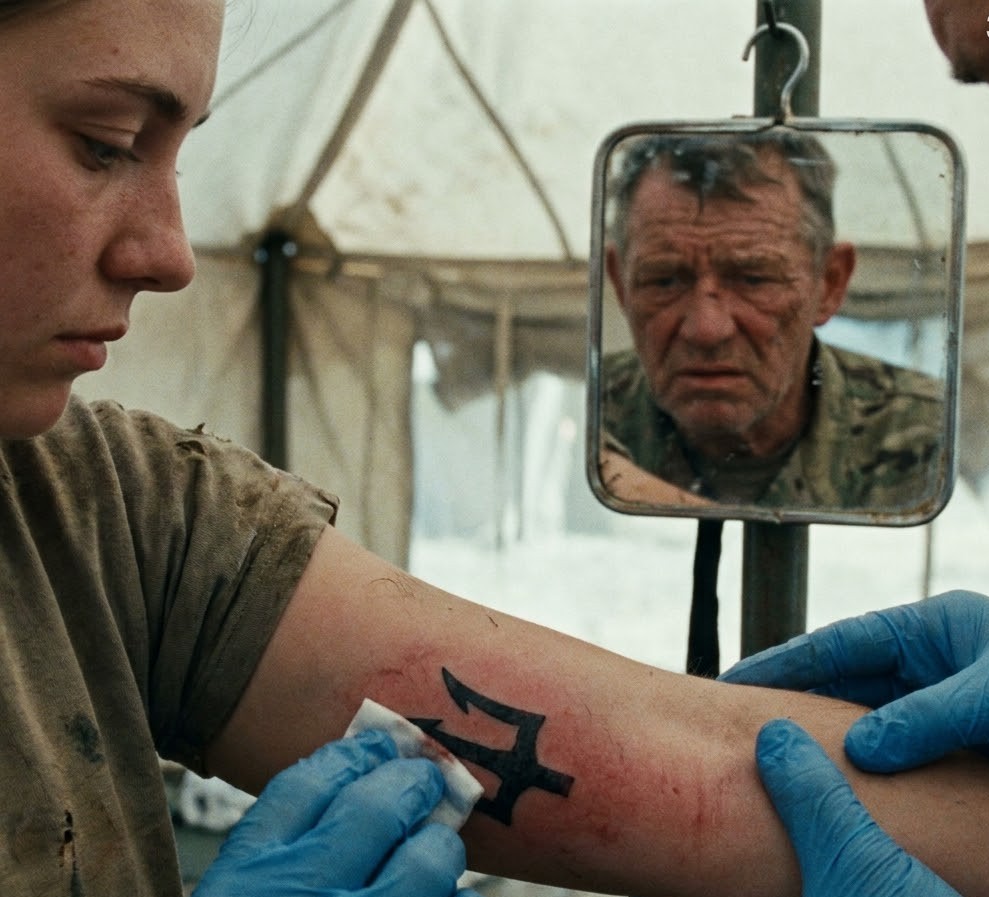
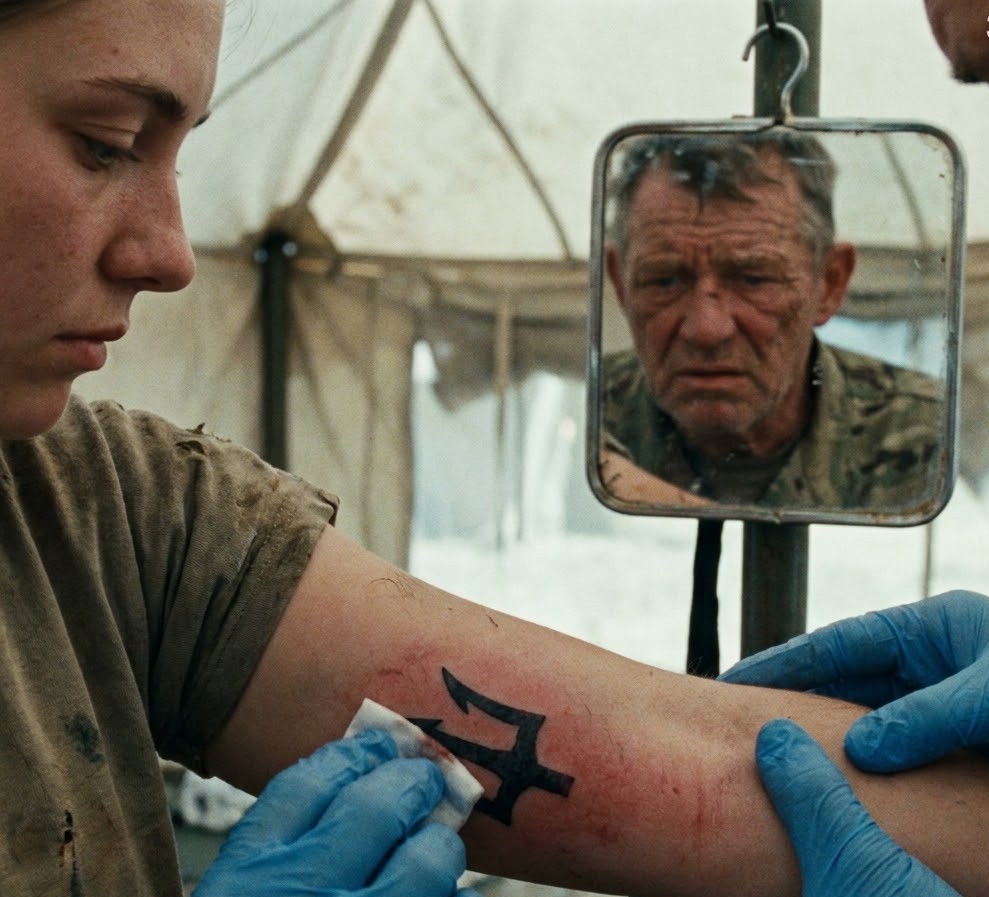
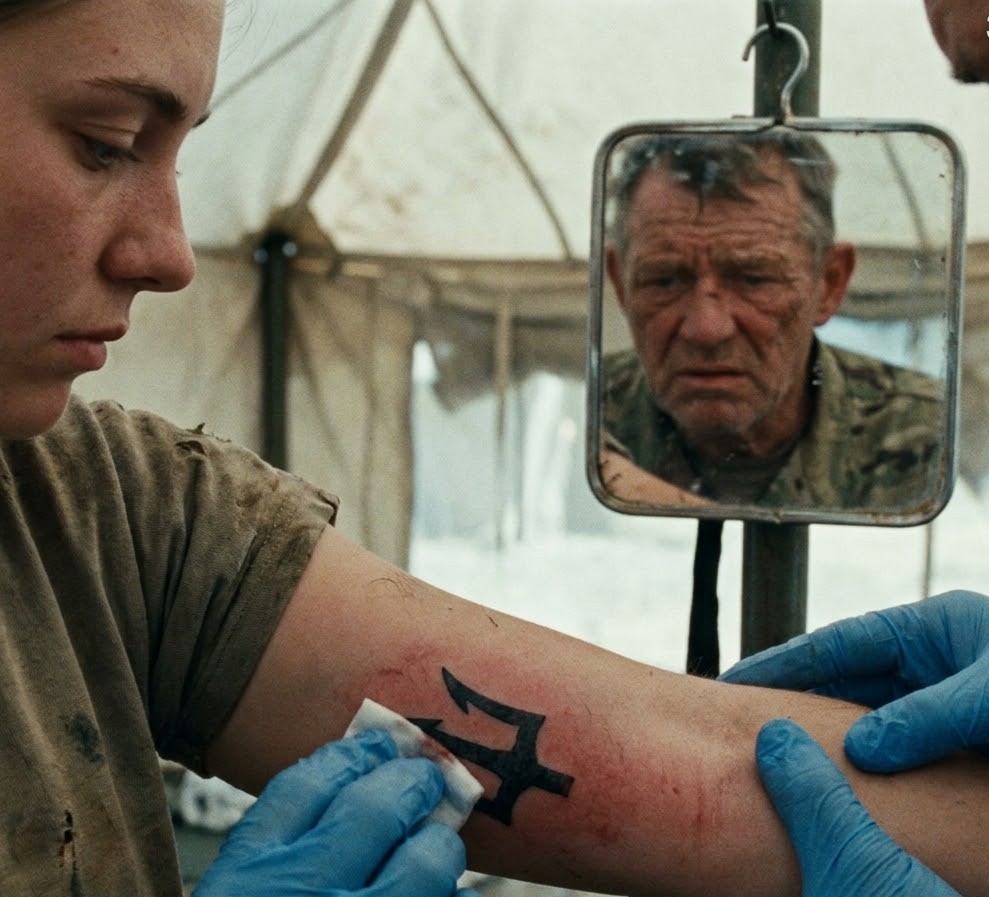
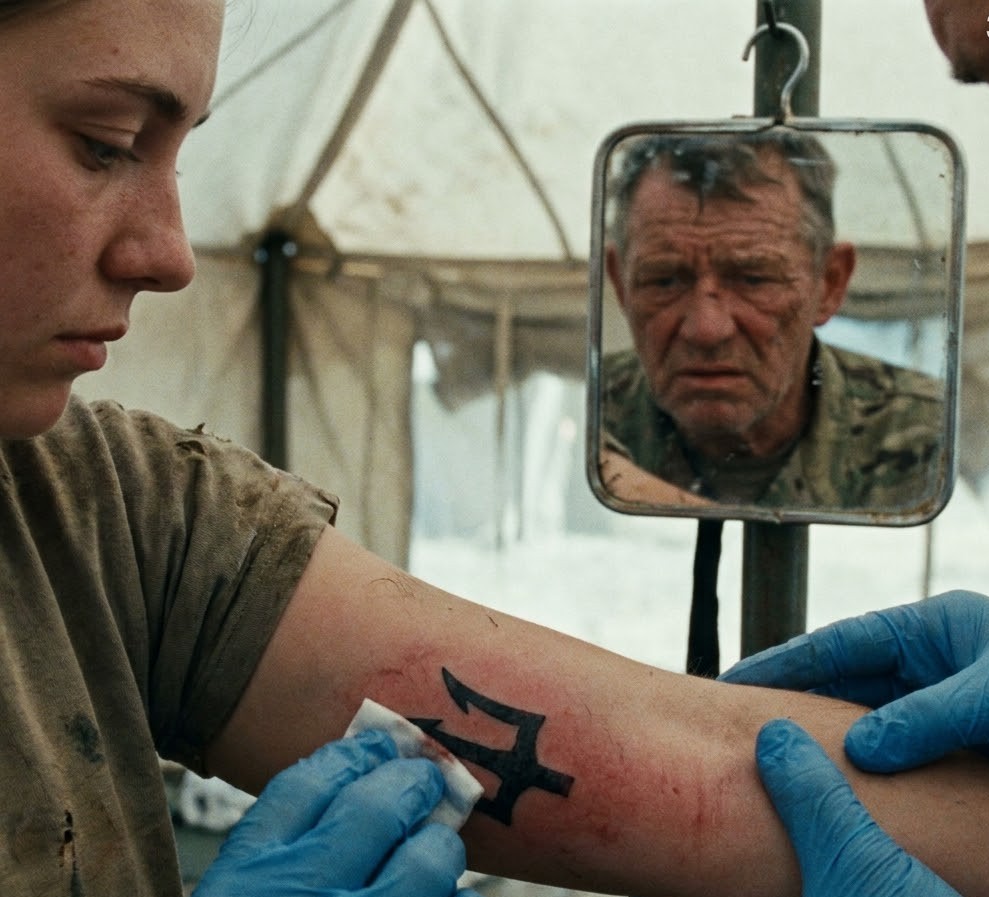
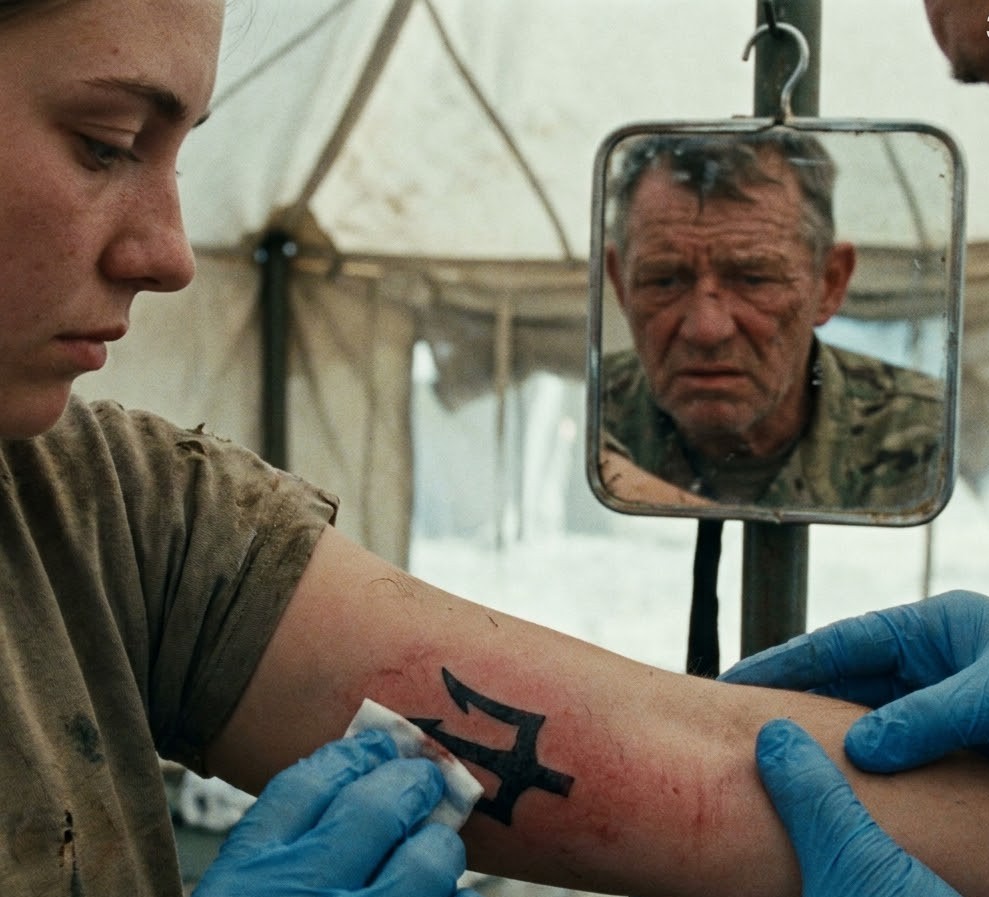
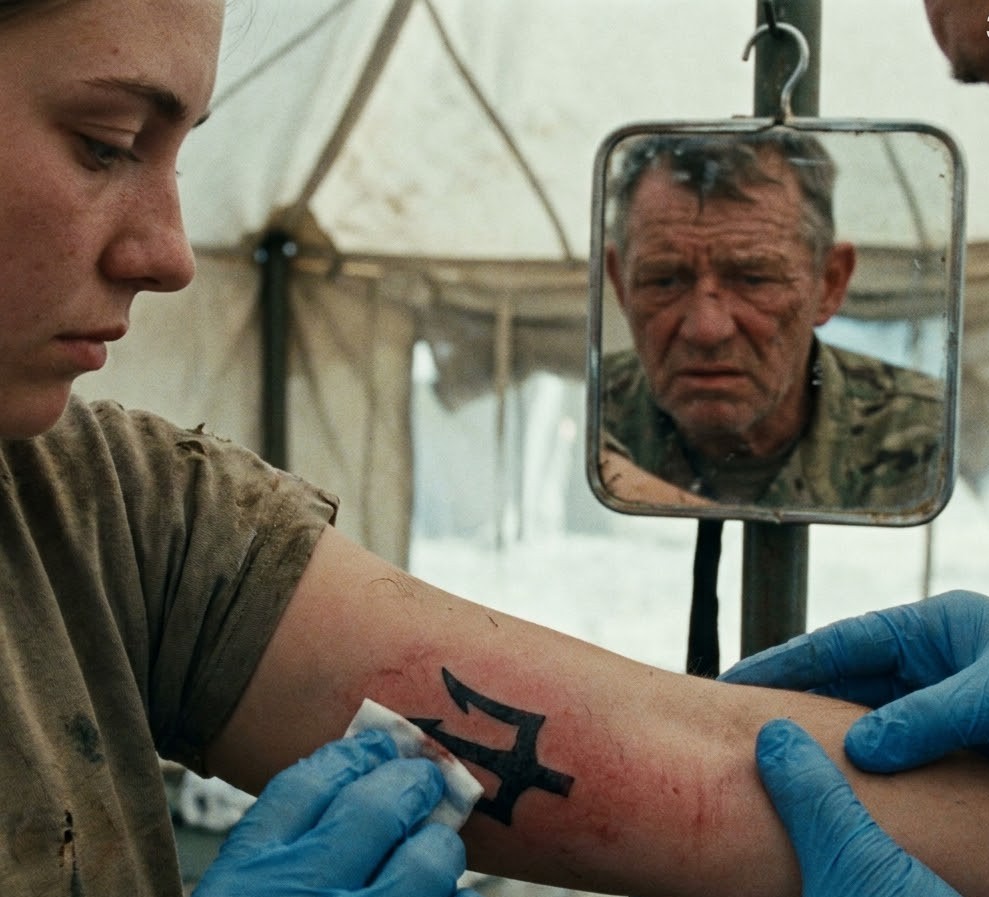
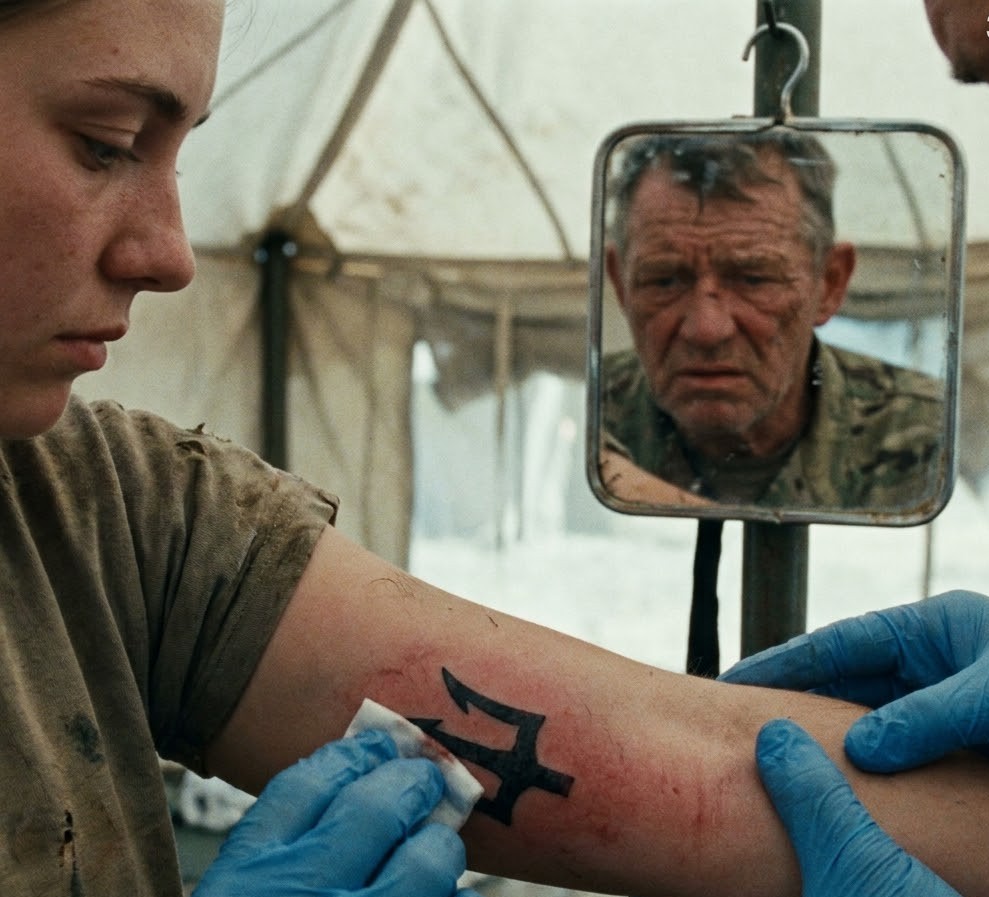
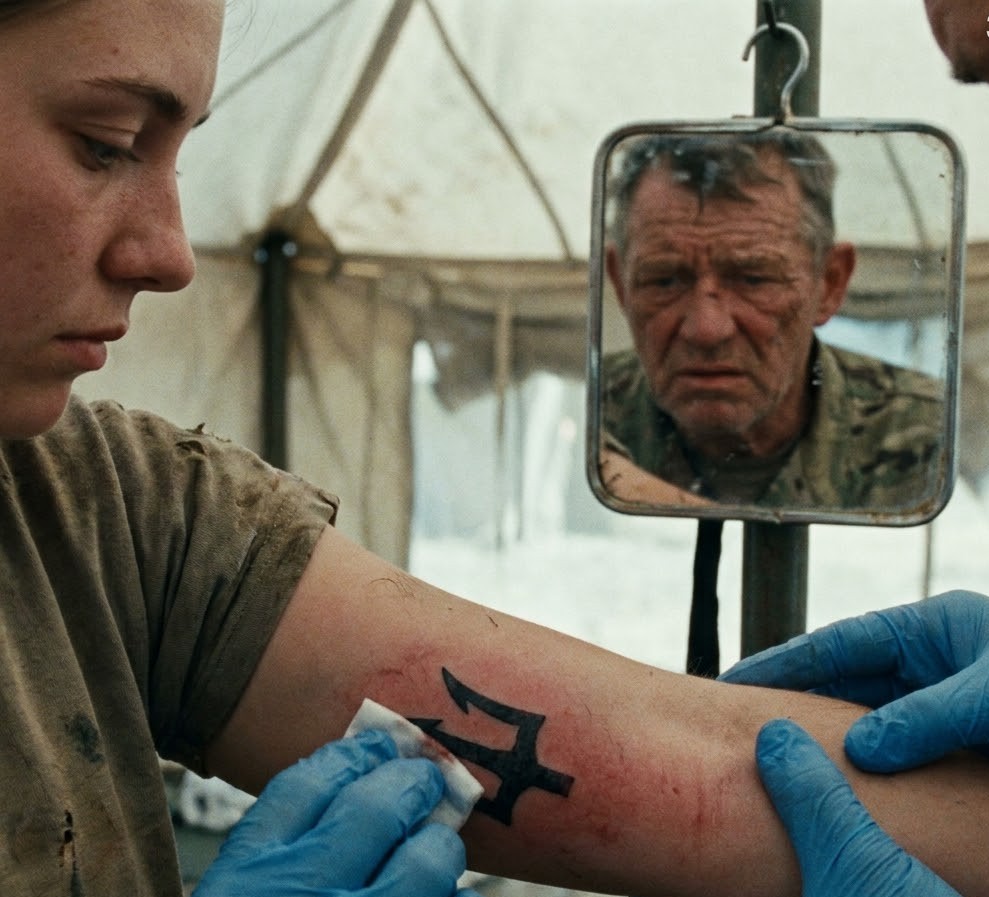
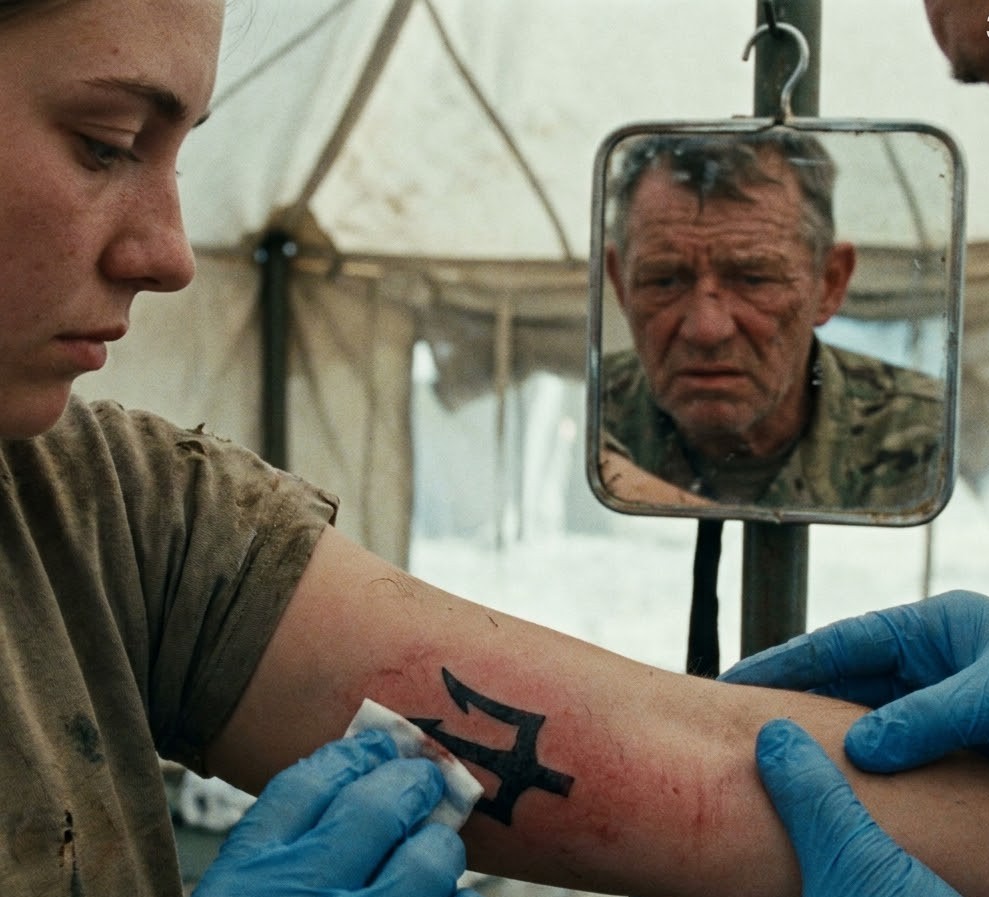
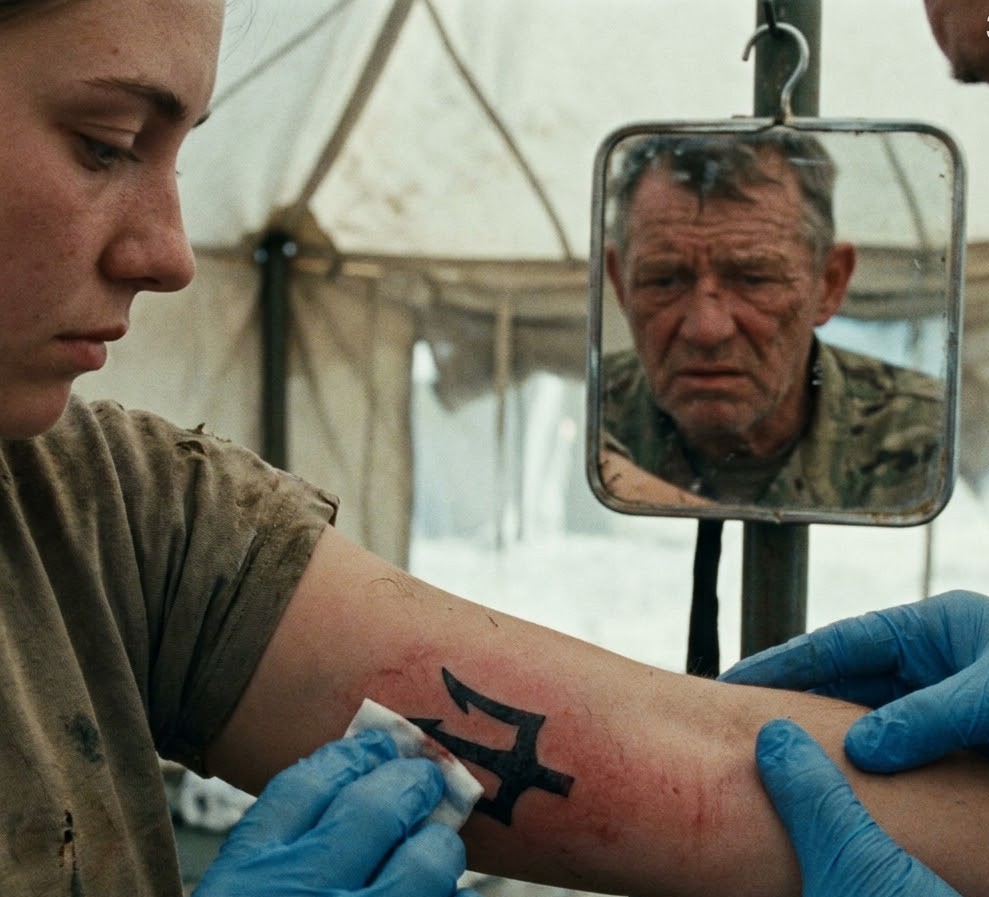
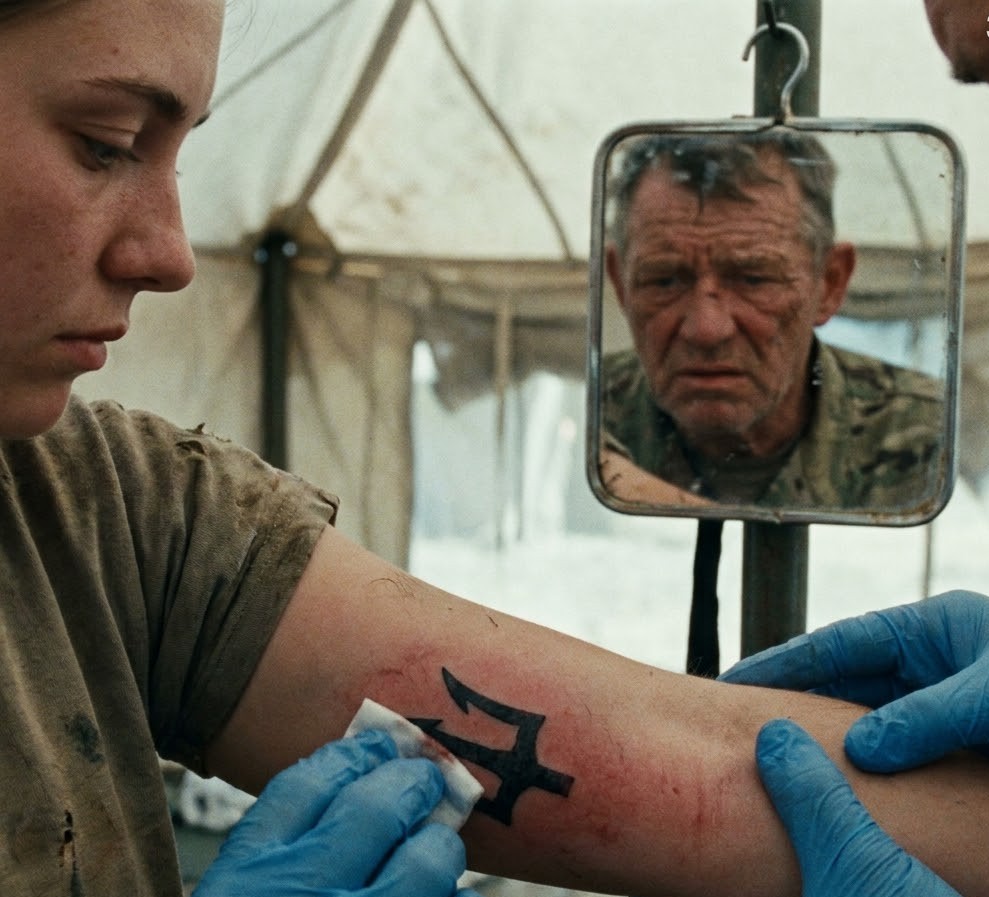
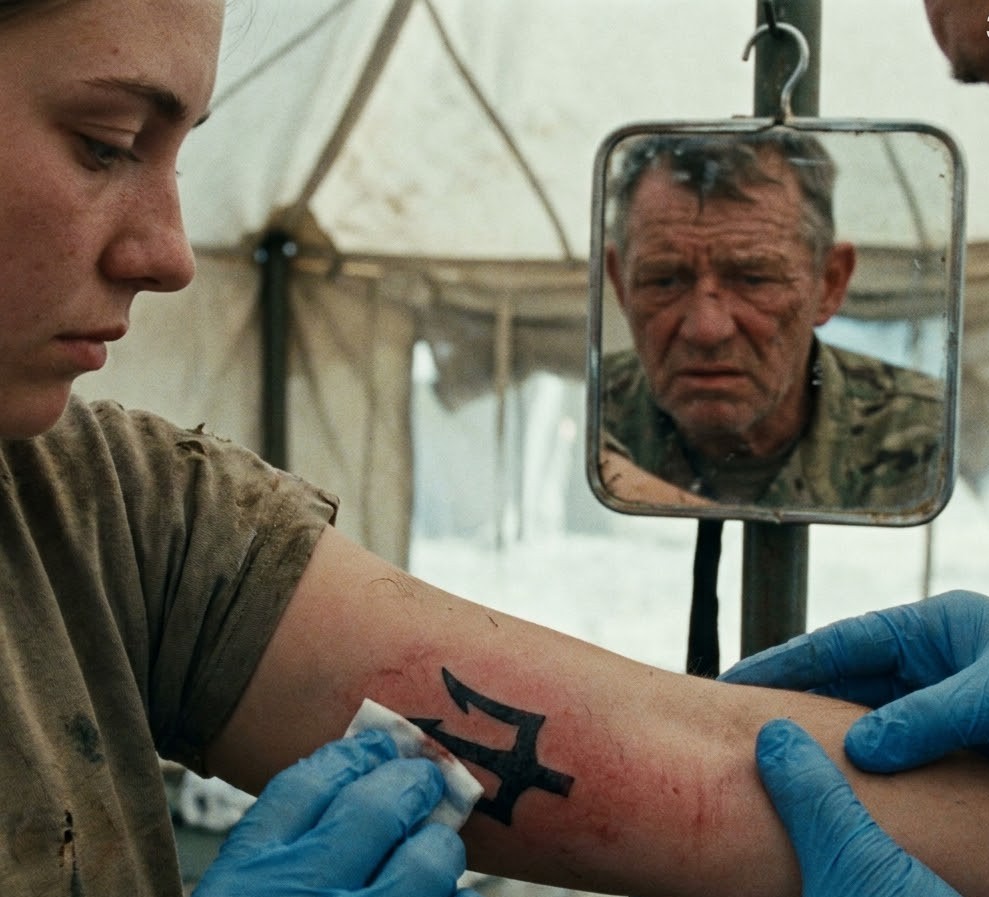
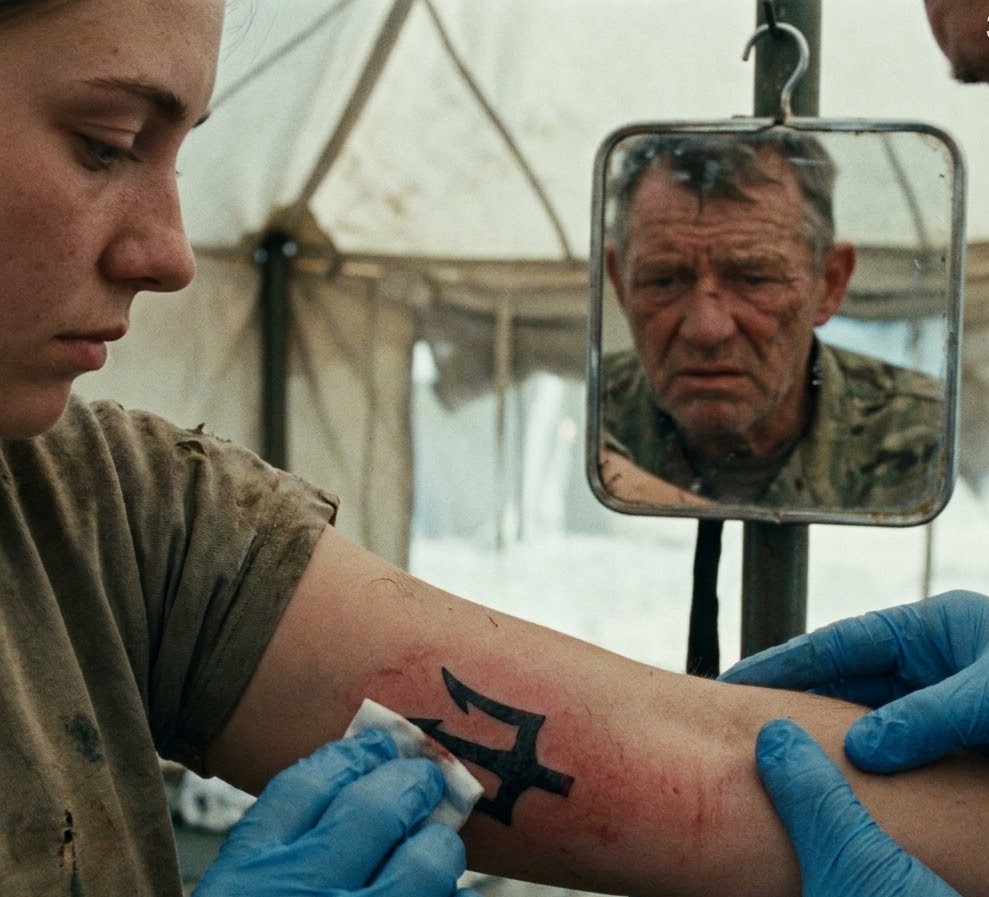
I was stitching up a wounded recruit in the far corner of the mud-drenched medical tent when my sleeve rolled back, exposing the black trident inked into my flesh.
I had been working as a quiet, dismissed civilian contract nurse at this off-grid private security compound in the Oregon mountains for eight months, speaking to no one and keeping my head down.
Commander Douglas O’Malley wasn’t supposed to know what that symbol meant, nor was he supposed to notice a civilian who barely earned thirty dollars an hour.
Within ten minutes of his exit, armed guards cut off the tent’s satellite communications and locked the perimeter gates.
I realized then that my quiet hiding place had just become my execution ground.
The recruit on the makeshift operating table groaned, a low, guttural sound that barely cut through the drumming of rain against the canvas. His leg, shredded by what looked like shrapnel, pulsed with an angry, dark red.
I ignored the sound, my hands steady as they always were.
Each precise stitch pulled the torn flesh together, a silent, practiced rhythm I’d honed over years of patching up worse wounds in uglier places. The scent of antiseptic, mud, and stale sweat clung to the air, thick and oppressive under the flickering battery-powered lanterns.
My cheap civilian scrubs were already stained. A fine spray of mud coated the lower half of my pants from the last patient, a guard who’d stumbled into a ditch.
“Easy now,” I murmured, my voice habitually soft.
My focus was absolute, a tunnel vision born of necessity in a place where one mistake could mean a life. I didn’t look at faces, didn’t ask names, didn’t engage. Just worked.
My long sleeves, usually rolled down and secured, had slipped up to my elbow as I leaned over the wound. It was an unconscious movement, a habit from countless hours hunched over patients.
Just under the fluorescent glare of the triage light, there it was: a black trident, sharp and ancient, etched deep into the skin of my forearm. It was a relic, a brand I’d lived with for years, one I kept meticulously hidden.
The recruit whimpered again, his eyes fluttering.
He was young, probably not much older than twenty, and thin beneath the bulky uniform. His breath hitched, a faint gasp of pain.
“Almost done,” I promised, my gaze still fixed on the needle.
A shadow fell over my work. It was sudden, dense, and cool, blocking a portion of the flickering light.
I didn’t look up. Civilians were invisible here, and I preferred it that way.
The tent flap rustled open and closed again, the wind picking up outside. A distant shout, muffled by the canvas, pierced the general din.
Footsteps stopped directly behind me, heavy boots sinking slightly into the damp earth floor.
Still, I didn’t acknowledge them. My hands kept moving, deft and quick.
A voice, low and gravelly, cut through the sounds of the tent. It was Commander Douglas O’Malley.
His tone was calm, almost conversational, but it held the weight of granite.
“Trouble with the perimeter fence, Nurse Oak?”
I stiffened, a minuscule tremor running through my fingertips, but I didn’t break my rhythm. He’d never spoken directly to me before.
He was usually a distant figure, a man of iron and shadow, giving orders from afar. Thirty dollars an hour didn’t typically merit direct attention from the compound’s commander.
I cleared my throat. “Just a small tear, Commander. Nothing serious.”
I didn’t turn. I continued to tie off the last stitch, then reached for the bandage roll.
My sleeve, which had ridden up, was now fully exposed. The black trident, stark against my pale skin, was precisely at eye level for anyone standing directly behind me.
Silence stretched, thick and sudden.
The recruit on the table seemed to hold his breath. The sound of rain on canvas suddenly felt deafening.
I felt O’Malley’s gaze like a physical pressure, sharp and cold, boring into the bare flesh of my arm.
My hand froze for a microsecond.
I knew. He knew.
The air in the tent grew heavy, charged with an unspoken recognition that turned my blood to ice. My careful, quiet world was crumbling.
He moved then, a soft step closer. His voice, when it came, was barely a whisper, yet it cut through the silence like a scalpel.
“If anyone asks about that mark, tell them you burned yourself on an engine block.”
The words were a direct repetition of an old warning, a sentence I hadn’t heard in years, meant for a different life, a different identity.
My head snapped up, my eyes meeting his for the first time. His face was unreadable, his gaze fixed not on my eyes, but on the symbol on my arm.
Then, he straightened, his frame instantly becoming rigid, all traces of the whispered intimacy gone.
His voice boomed across the tent, cutting through the remaining tension and reaching every corner.
“Lieutenant!”
A junior officer, who had been huddled over a map table, snapped to attention.
“Yes, Commander!”
“Full perimeter lockdown. Immediately. I want all gates sealed, all personnel confined to their sectors. No exceptions.”
The lieutenant blinked, surprised by the abruptness. “Sir? Is there an… intruder alert?”
“No,” O’Malley stated, his voice flat and final. “We have a biohazard breach. No outgoing communications. Cut the satellite feed, now. All radio channels are to be jammed.”
A low murmur rippled through the tent. Biohazard? There hadn’t been any report.
“Move!” O’Malley roared, his face like stone.
The lieutenant scrambled, barking orders into a handheld radio. Guards, who moments before had been idly chatting, moved with sudden purpose, their weapons already raised.
The recruit on my table, forgotten, began to stir, his eyes wide with fear, not from his wound, but from the sudden, chilling shift in the atmosphere.
I heard the distant clank of heavy steel, the grinding sound of the compound’s main gates swinging shut. The comms panel near the entrance, usually a blinking array of lights, went dark.
The medical tent, my sanctuary, my invisible corner, was no longer a place of healing. It was a trap, sealed from the outside.
Part 2
I pushed past the recruit, my mind racing. A trap. Not for some generic “biohazard,” but for me.
The supply gate. It was the furthest point, used only by Toby Higgins, the young driver. Maybe I could slip out there.
Rain lashed down as I moved through the compound’s darkened service alleys, sticking to the shadows between the barracks.
Then I saw them. Armed guards, spaced every twenty paces, faces grim under their helmets.
Each one held a rifle, scanning the perimeter. There was no slipping past this.
I pressed myself against a corrugated metal wall.
This wasn’t a general lockdown. It was a net, cast specifically for me.
Suddenly, a blinding flash of headlights cut through the downpour at the main entrance, far across the compound. A heavy convoy of black SUVs rumbled through the newly sealed gates.
More Stories




+ There are no comments
Add yours