
In 1944 Boston, a Bankrupt War-Factory Widow Fighting for Her $5,000 Back-Pay Outsmarts a Corrupt Requisition Officer Who Planted a Stolen Diamond Ring to Frame Her for Treason.




Two weeks later, the Boston Municipal Courthouse corridor was a dim, drafty place, smelling of old paper and damp wool. The autumn chill had deepened into a biting winter. I sat on a hard bench, the official disbursement draft for my $5,000 back-pay tucked securely in my handbag, waiting for a final signature on the last bit of paperwork.
Leo sat beside me, sketching in his worn notebook. He’d drawn a triumphant battleship, flags flying, firing its cannons. He was oblivious to the tension that still hummed beneath the surface of my apparent victory.
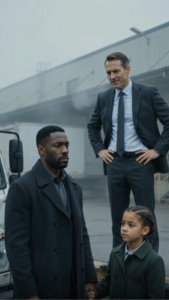
Suddenly, a side door opened, and a small entourage emerged. Federal military intelligence officers, their faces stern and unyielding, were escorting Harlan Kincaid. He was thinner, his clothes rumpled, his once-smug expression replaced by a haunted, distant stare. He no longer looked like the powerful official who had tried to ruin me. He looked like a ghost.
As they passed, Kincaid’s eyes, hollow and defeated, flickered across the corridor. For a split second, they met mine. There was no hatred, no defiance, just a profound, chilling emptiness. It was the look of a man who had been swallowed whole by something far larger than himself, something I couldn’t comprehend. He saw me, saw Leo, but it was like looking at a memory, not a living person.
The officers guided him toward a waiting car, disappearing into the gray Boston afternoon. The door swung shut behind them, the sound echoing through the quiet corridor.
I clutched my handbag, feeling the crisp paper of the back-pay draft against my fingers. My immediate legal nightmare was truly over. The ghost of bankruptcy, the threat of destitution, the public humiliation – all of it had receded. Leo was safe. We had enough to get by, to rebuild.
But as I watched Kincaid being led away, a chilling truth settled over me. His case was closed, his individual thread of corruption cut. Yet, the vast, shadowy wartime network he was part of remained untouched, operating in the unseen corners of power, always watching, always waiting. Justice, sometimes, is less about a final, definitive verdict and more about navigating the endless, ambiguous shades of gray.
More Stories










+ There are no comments
Add yours