
In 1944 Boston, a Bankrupt War-Factory Widow Fighting for Her $5,000 Back-Pay Outsmarts a Corrupt Requisition Officer Who Planted a Stolen Diamond Ring to Frame Her for Treason.
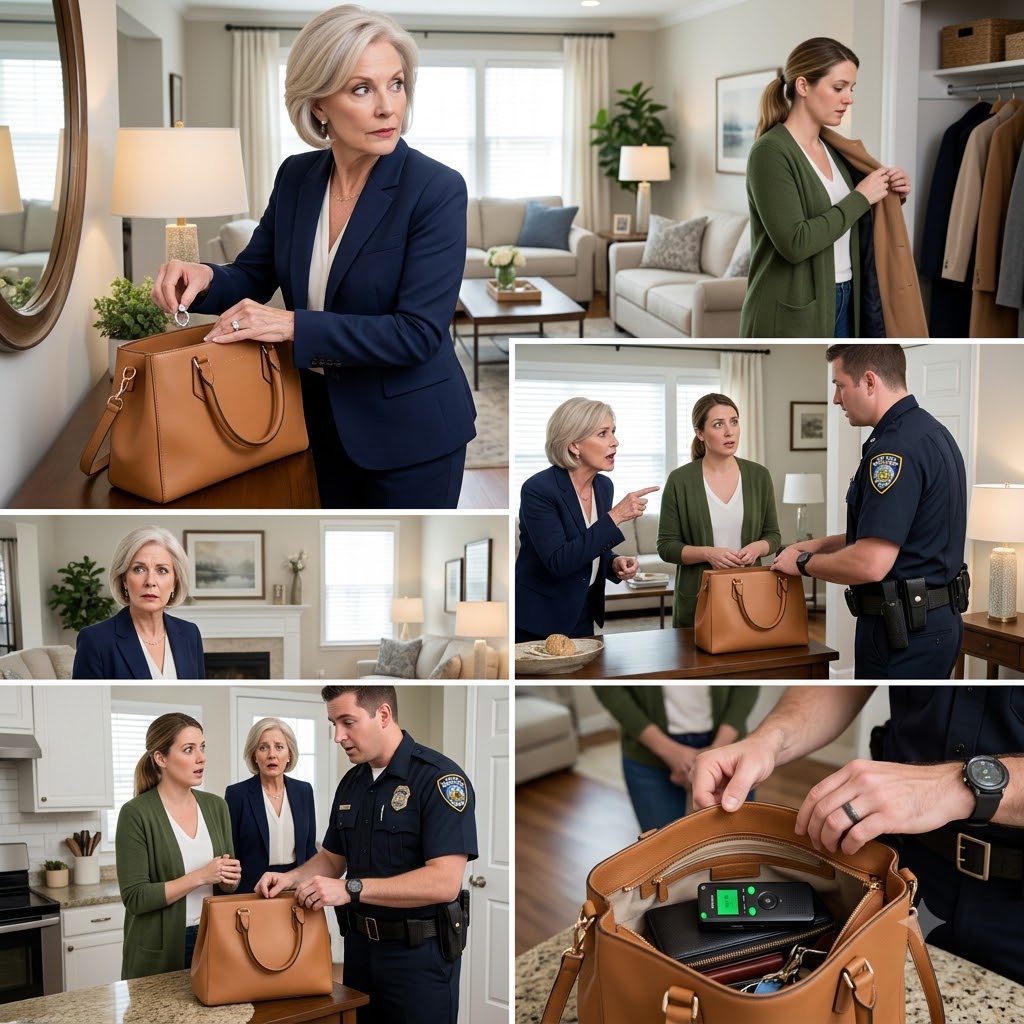


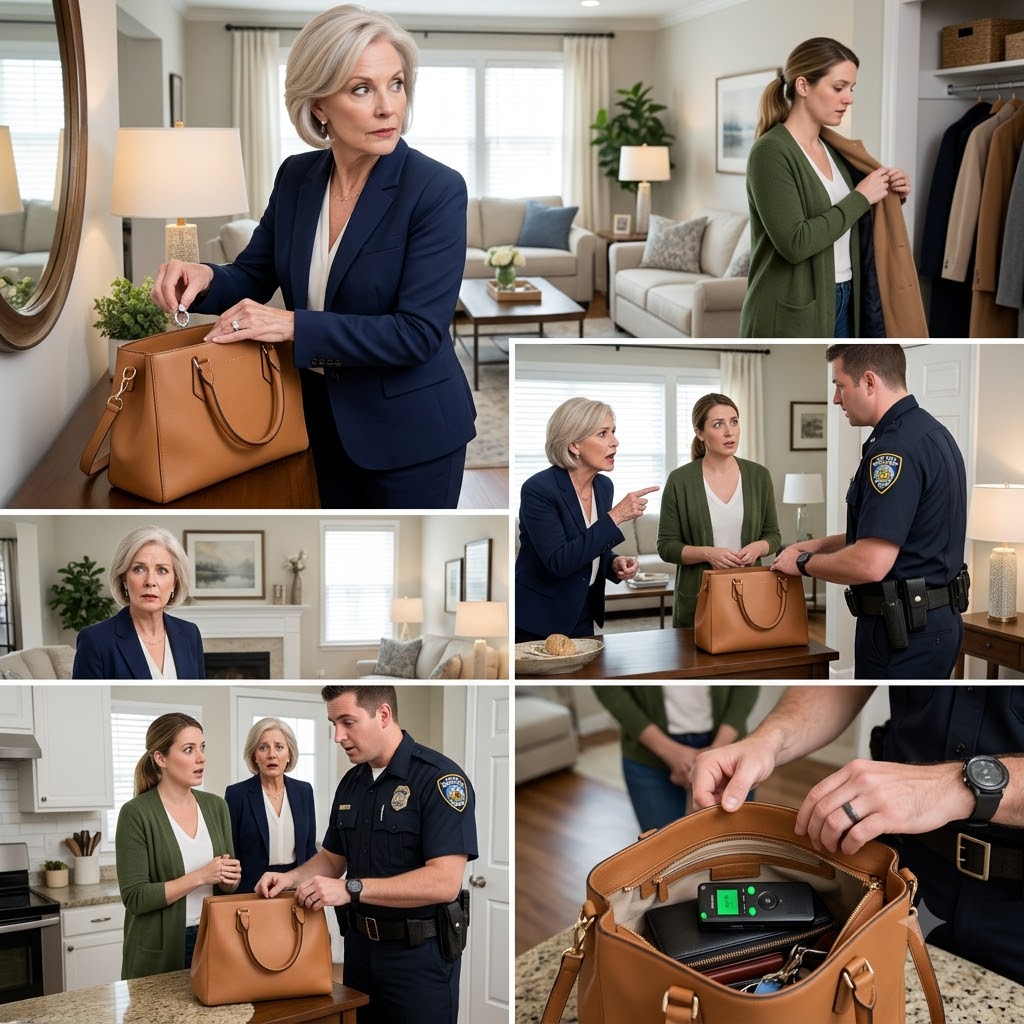

The click of the handcuffs was shockingly loud in the sudden quiet of the office. Kincaid, still reeling, offered no resistance as Detective O’Loughlin led him out, the younger officer, Miller, following close behind. The air, heavy with the smell of old paper and dust, seemed to vibrate with the shock of what had just happened.
I watched them go, my mind struggling to process the rapid turn of events. One moment, I was a suspect facing ruin. The next, my tormentor was being hauled away. A strange, hollow victory.
Later that afternoon, back in my small, damp basement apartment, a knock rattled the flimsy door. It was a notice from the Boston Municipal Court, stamped with official seals.
My initial thought was that it was about Kincaid’s arrest. My hand trembled as I tore it open.
It wasn’t.
The document stated, in cold, legalistic language, that due to “unforeseen administrative complications” related to the ongoing investigation, my personal bank account had been frozen. Every dollar I had, the meager savings from my factory wages, was locked away.
A second notice, folded inside the first, dealt a harder blow. My housing ration permit, crucial for my ability to live in Boston and work at the shipyard, was temporarily revoked. Effective immediately.
Panic tightened its grip around my chest. Without my ration book, I couldn’t secure basic necessities, let alone renew my apartment lease. This wasn’t just about Kincaid anymore. This was about survival.
Leo, sketching battleships at the kitchen table, looked up, his brow furrowed. “Mama, what’s wrong?”
“Nothing, sweetheart,” I lied, crumpling the notices in my hand. “Just… some more paperwork.”
But Kincaid, even from behind bars, was still waging war. His “high-placed political associates,” as the recording had called them, were retaliating. They weren’t just after Kincaid’s freedom; they were trying to crush me completely, to erase me from Boston, from the shipyard, from existence.
A few days later, a stern-faced woman from the ration board visited. She stood in my doorway, a sensible hat perched on her head, her expression unyielding.
“Mrs. Driscoll,” she said, her voice crisp. “We have received notice that your housing and food ration books have been suspended.”
I tried to explain, tried to tell her about Kincaid, about the wire recording, about the frame-up. She held up a gloved hand.
“I’m sorry, Mrs. Driscoll,” she said, cutting me off. “My orders are clear. Until this matter is fully resolved through official channels, your permits are invalid. You have two weeks to vacate these premises.”
Two weeks. In the depths of a Boston winter. My savings frozen, my ration books worthless. Kincaid’s associates weren’t just inconveniencing me. They were trying to make me disappear.
“What are we going to do, Mama?” Leo asked later that night, his voice small, as I huddled under a thin blanket, staring at the ceiling.
“We’re going to fight,” I whispered back, my voice firm despite the tremor. “We’re going to fight them in court.”
More Stories











+ There are no comments
Add yours