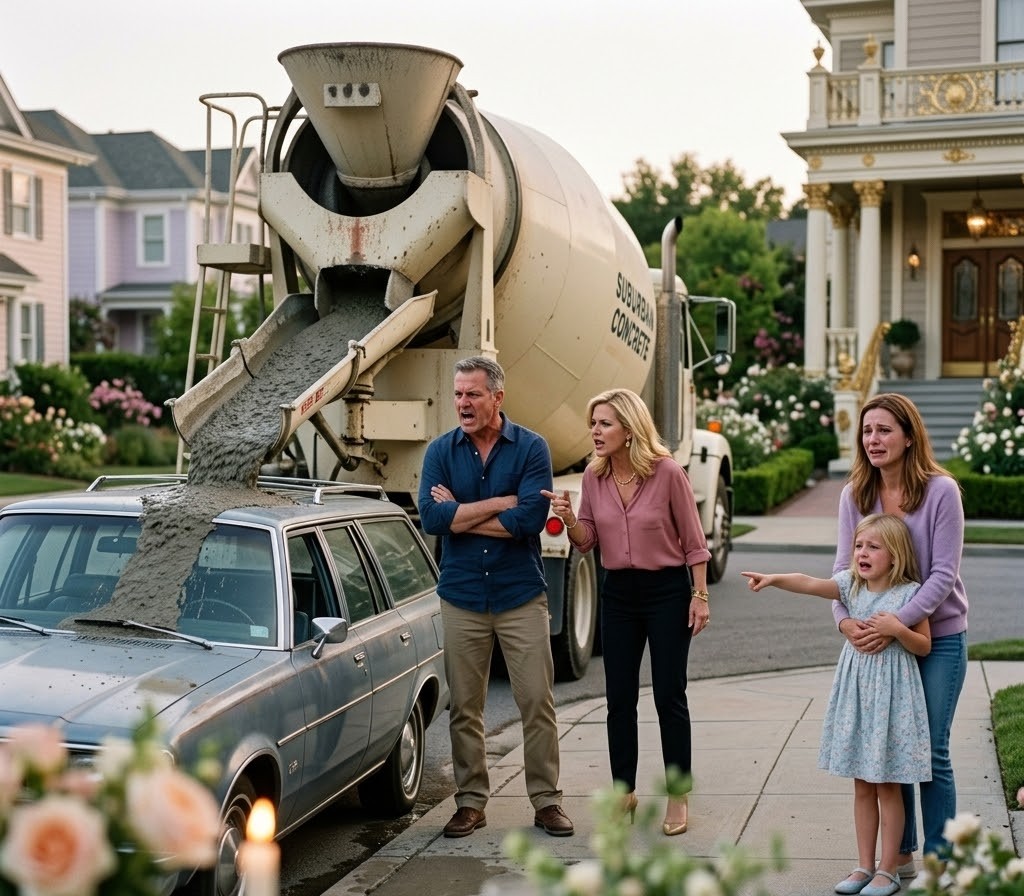
After Her Neighbor Concreted Her Father's Prized Car, a Single Mother Uncovered a Wartime Blackmail Scheme
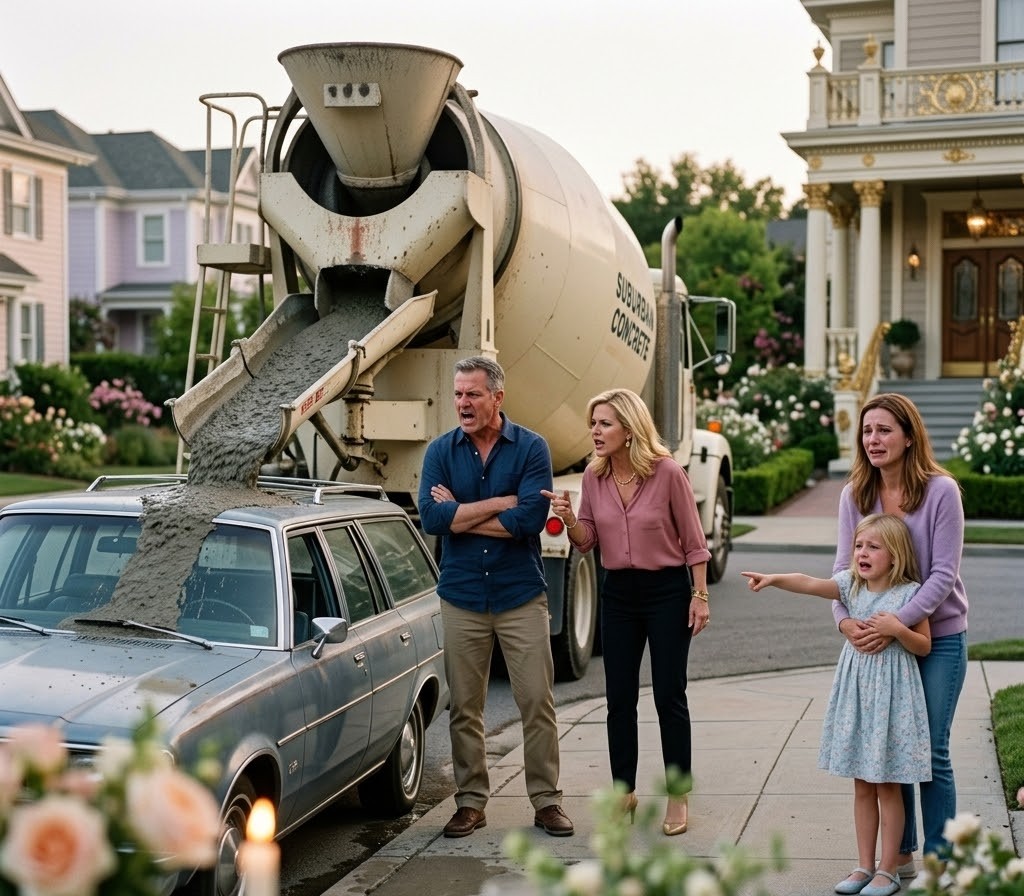
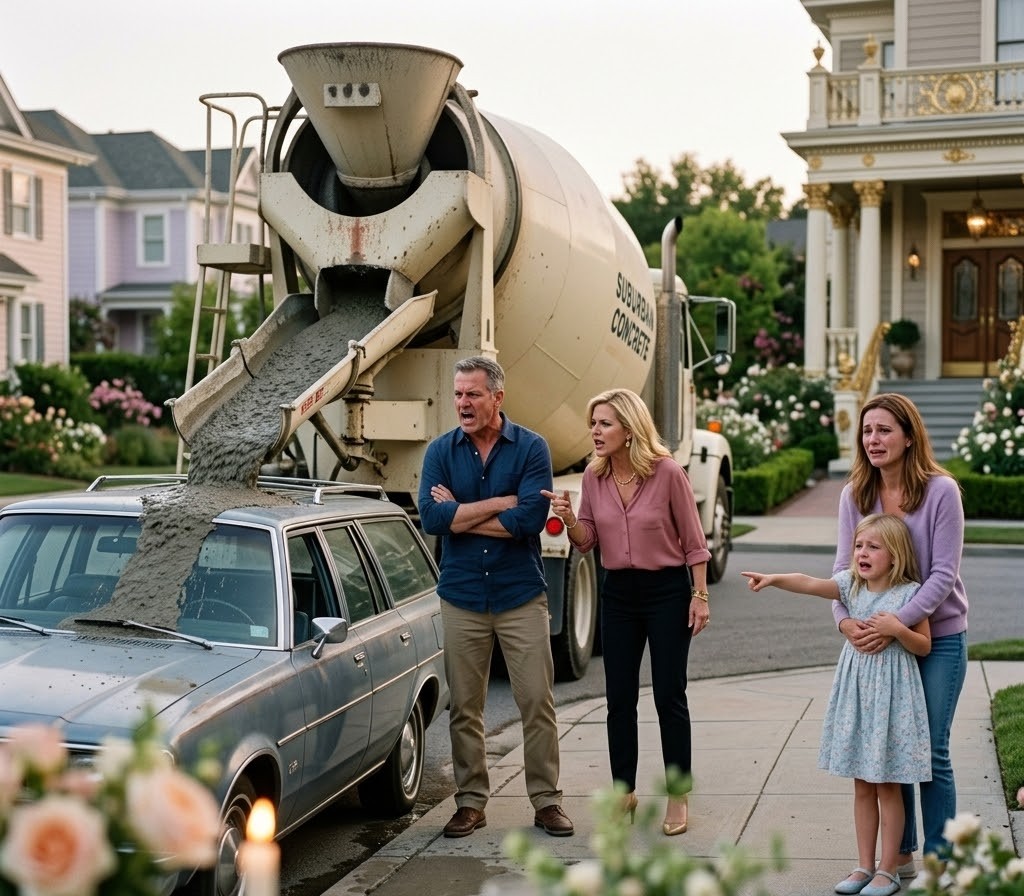
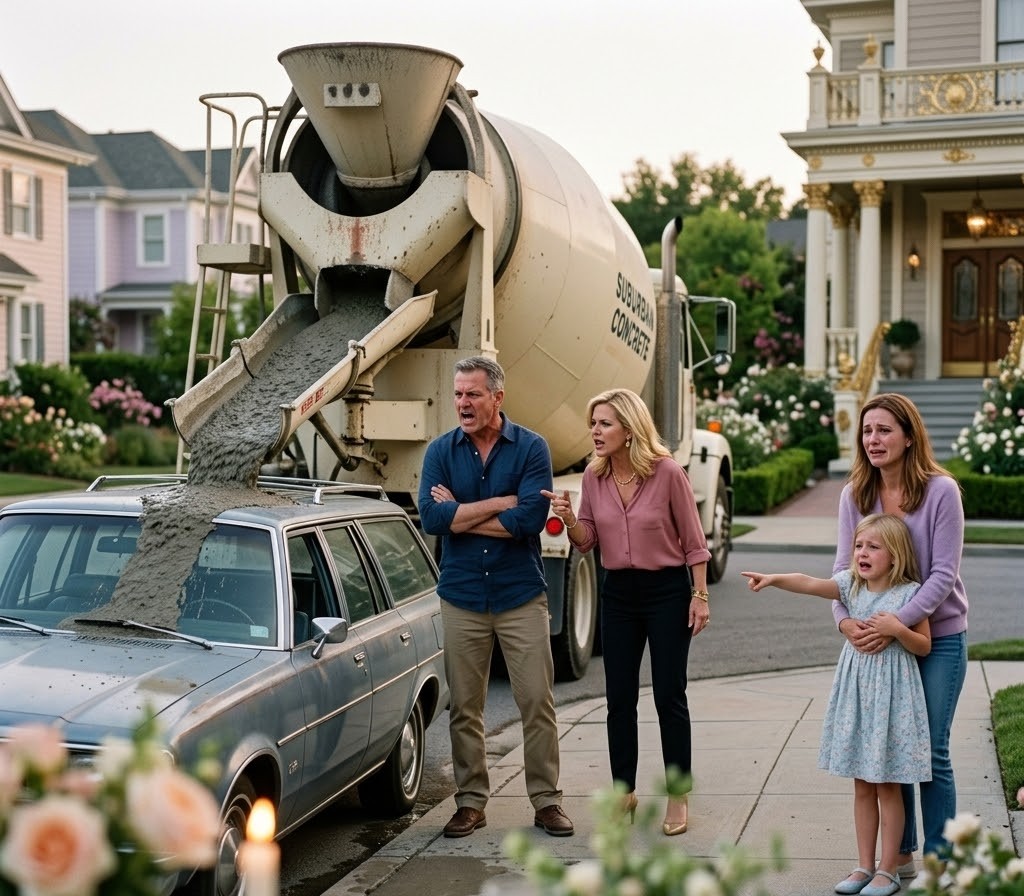
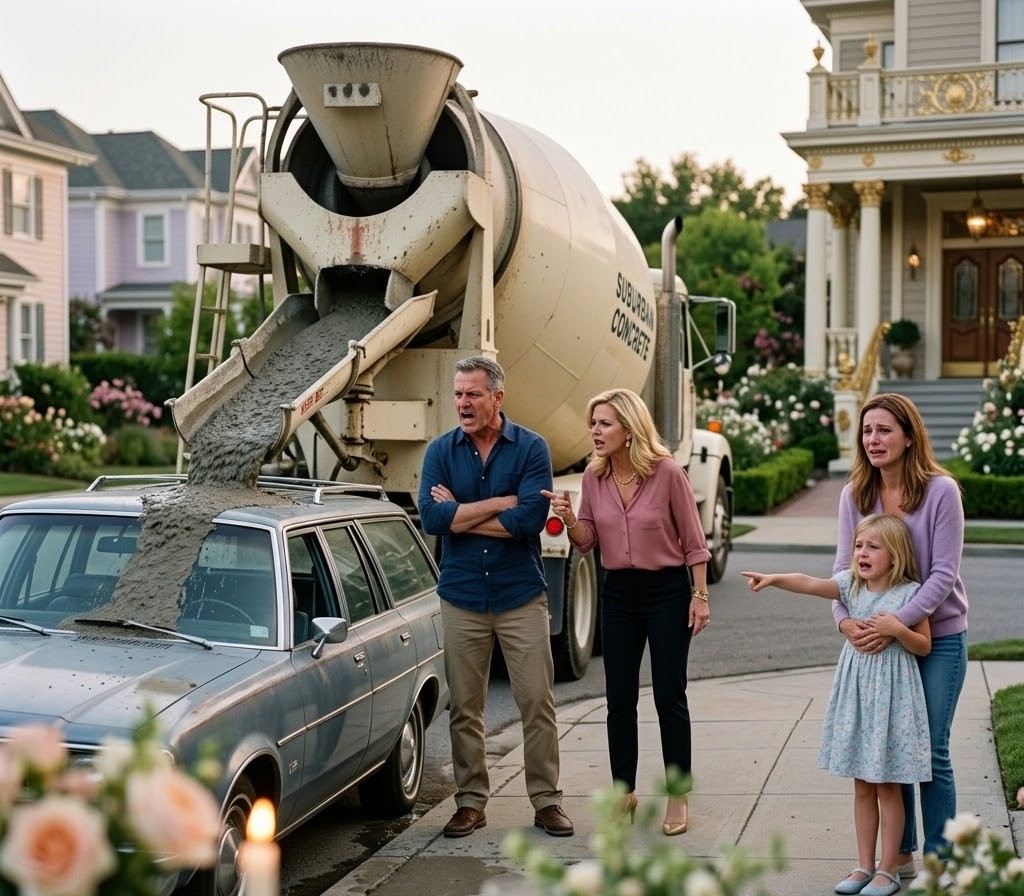
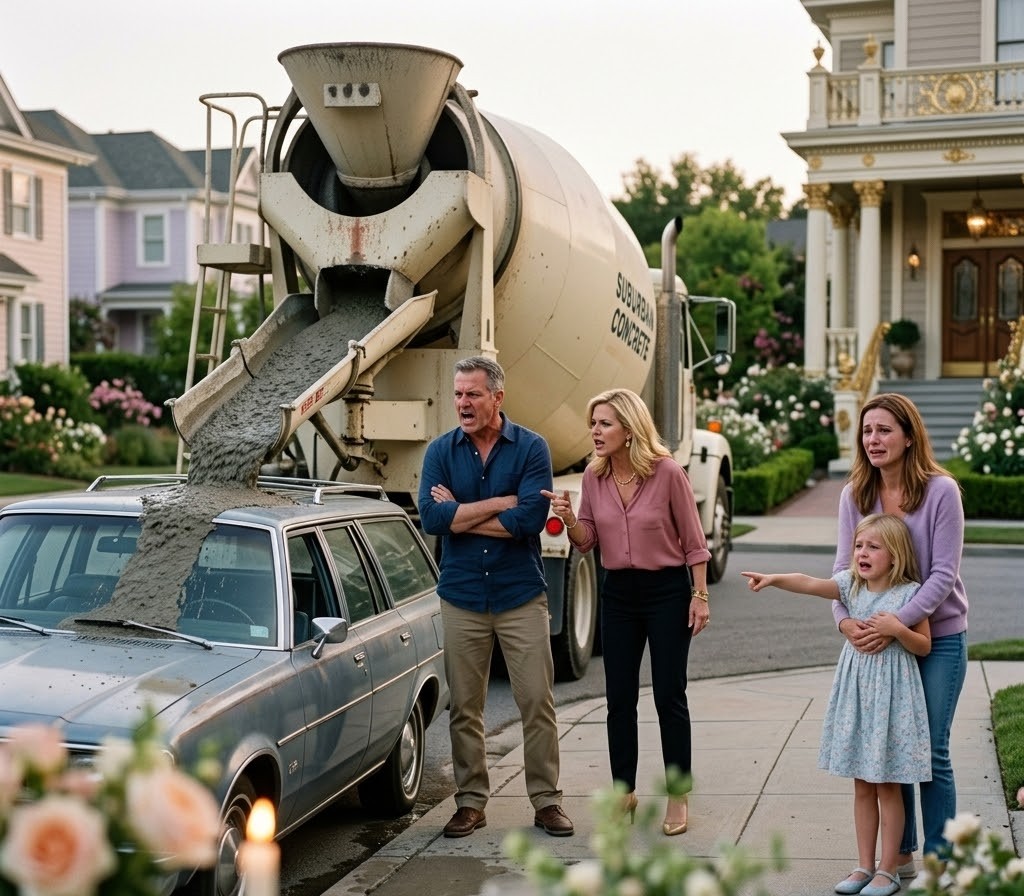
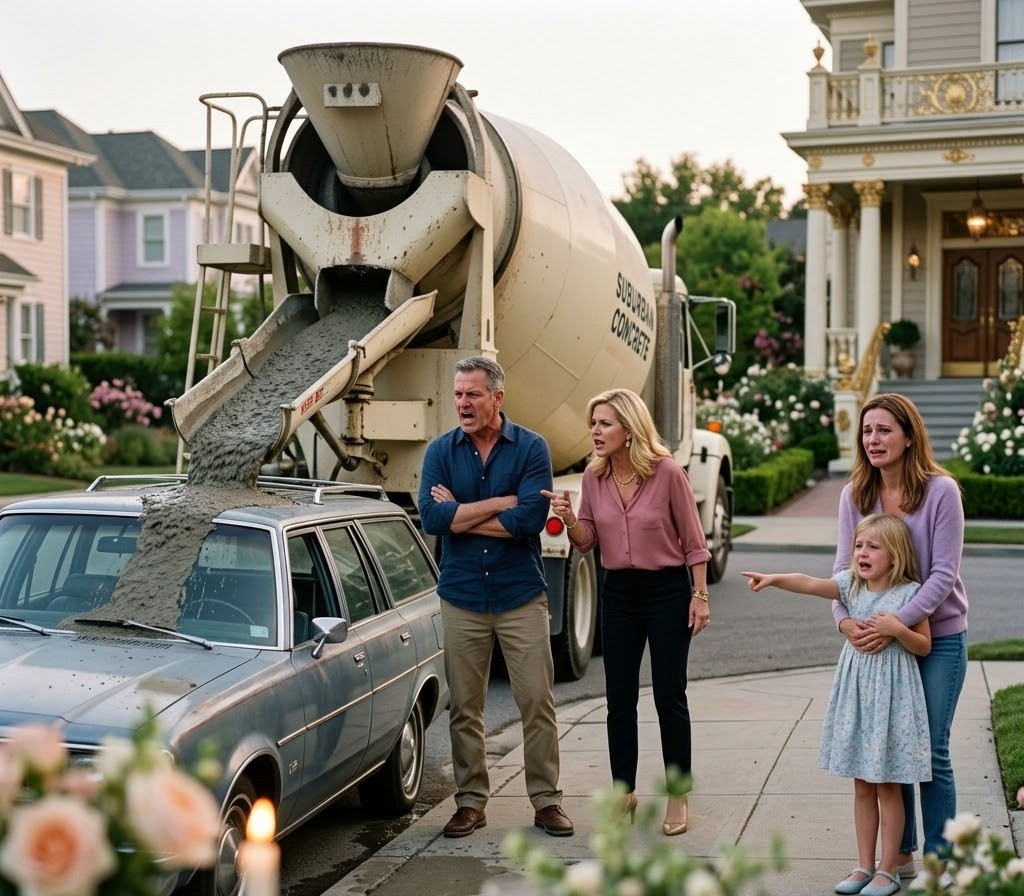
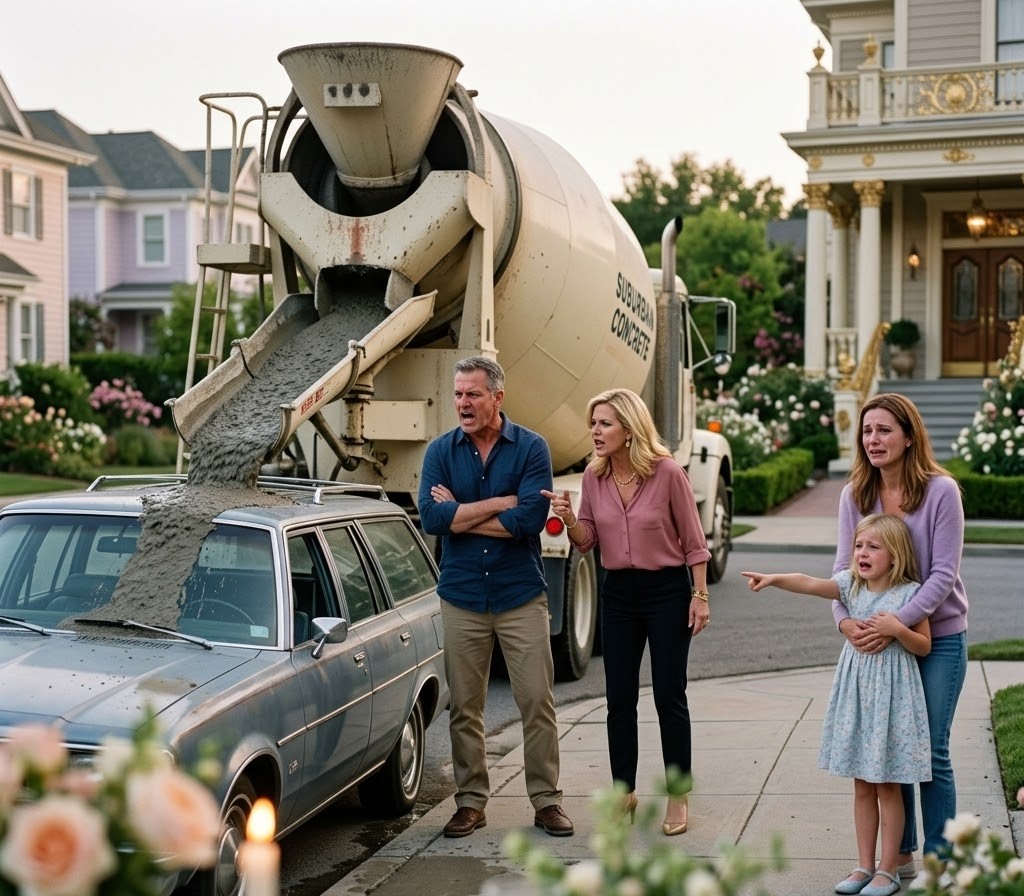
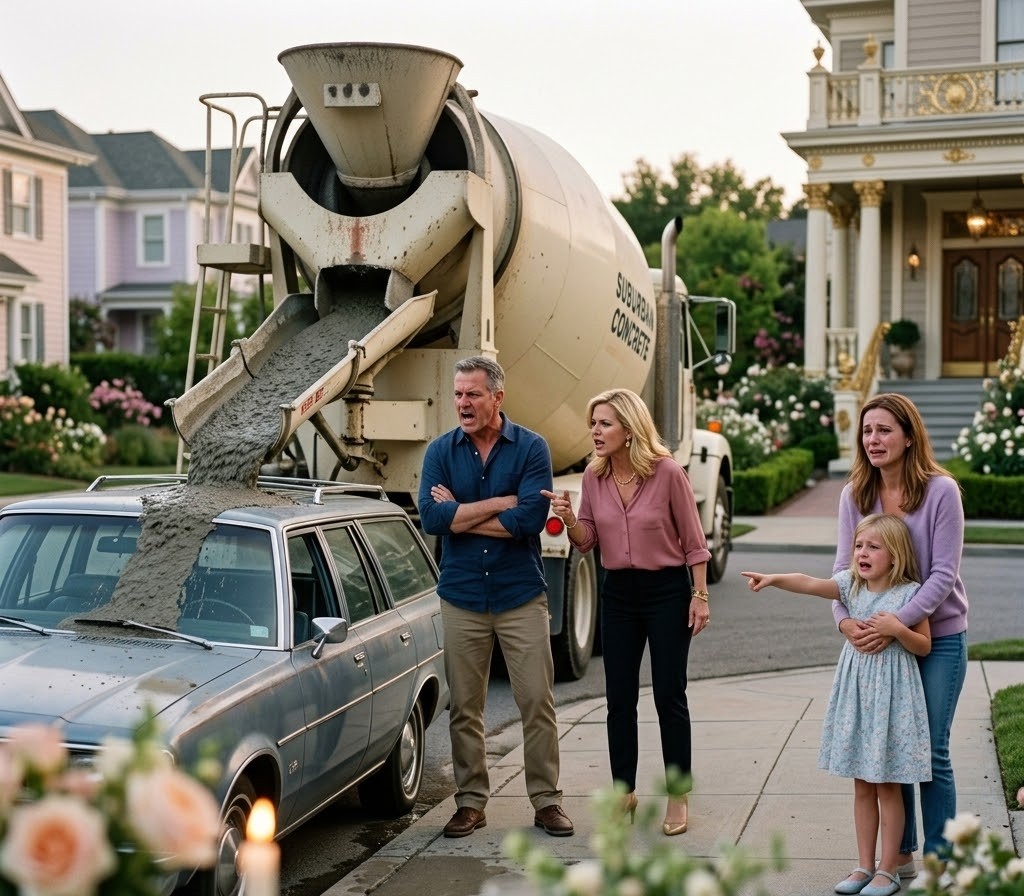
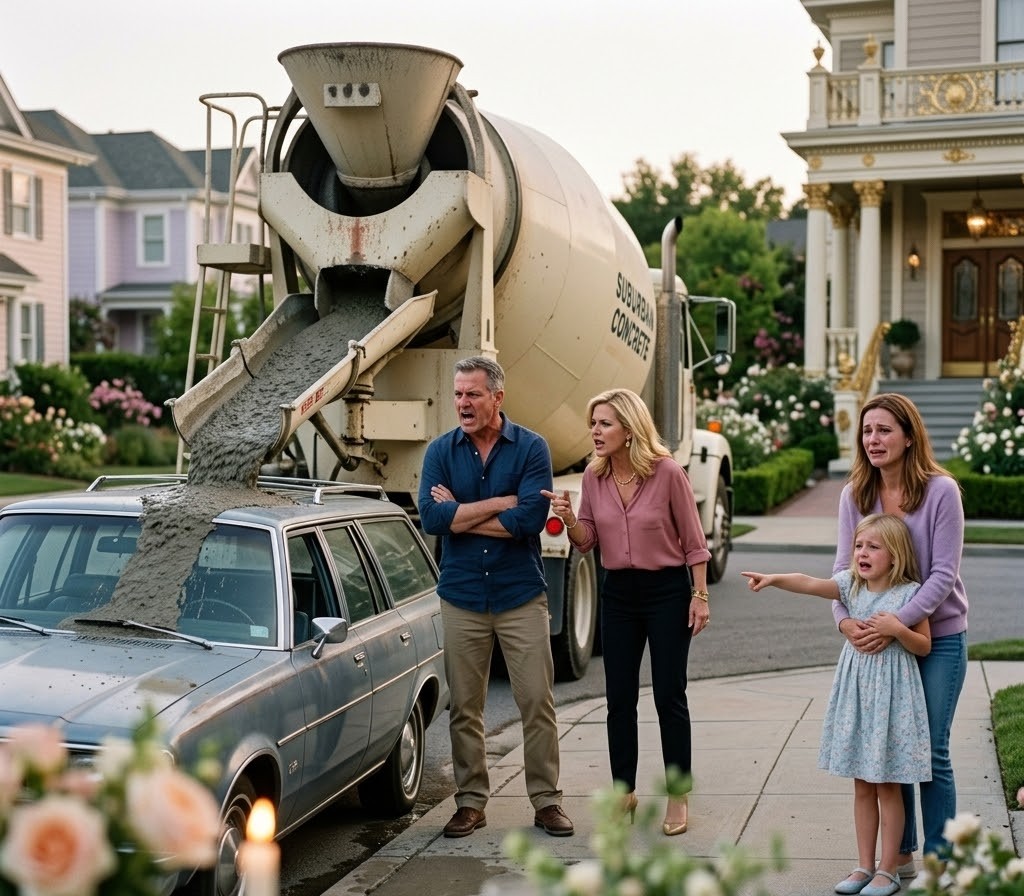
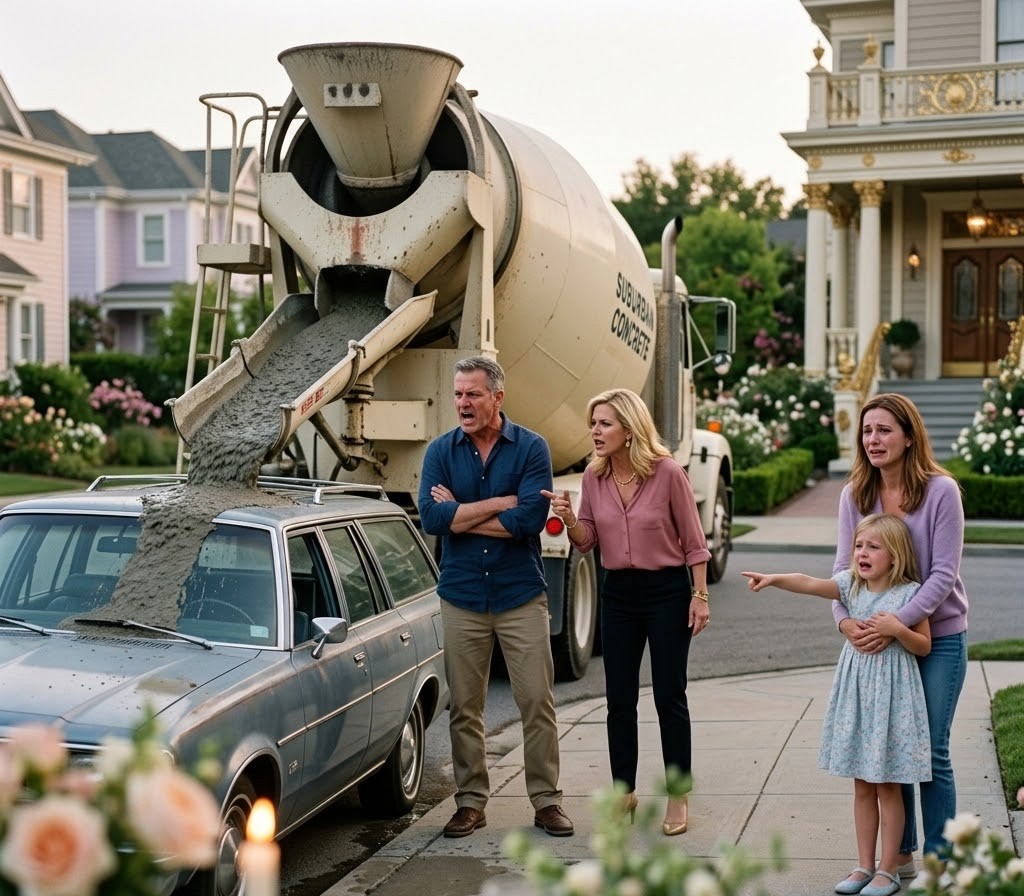
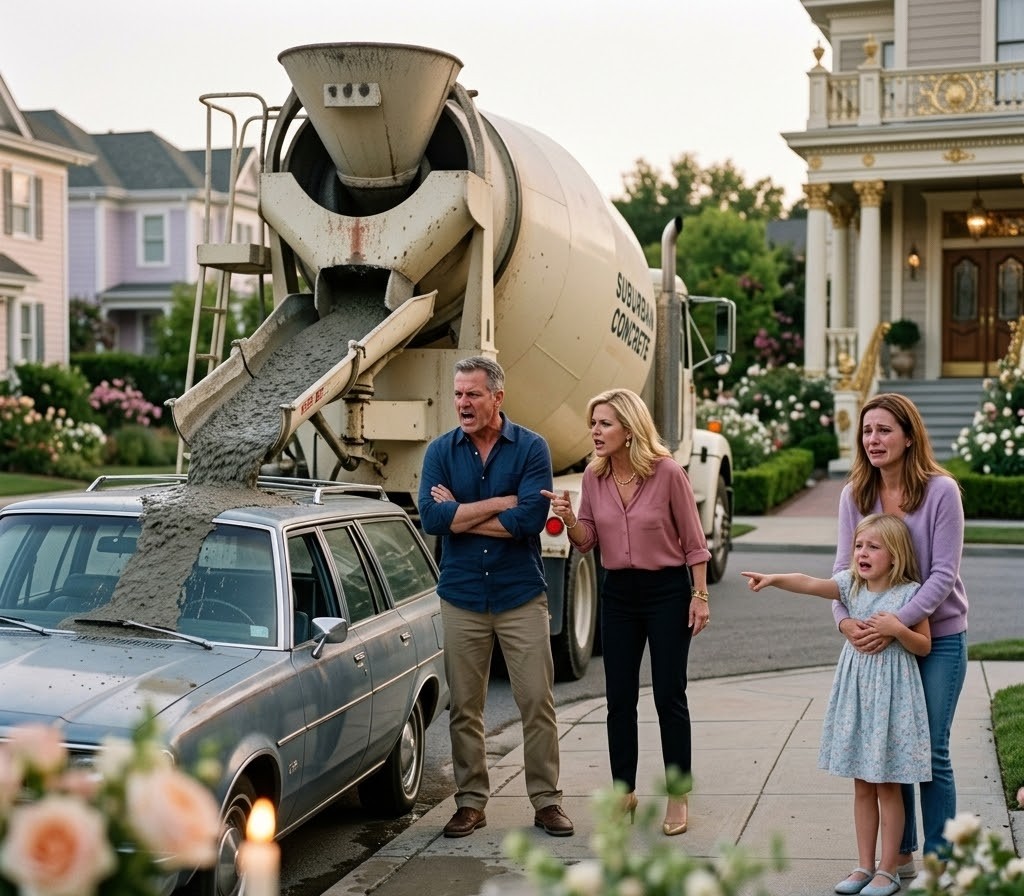
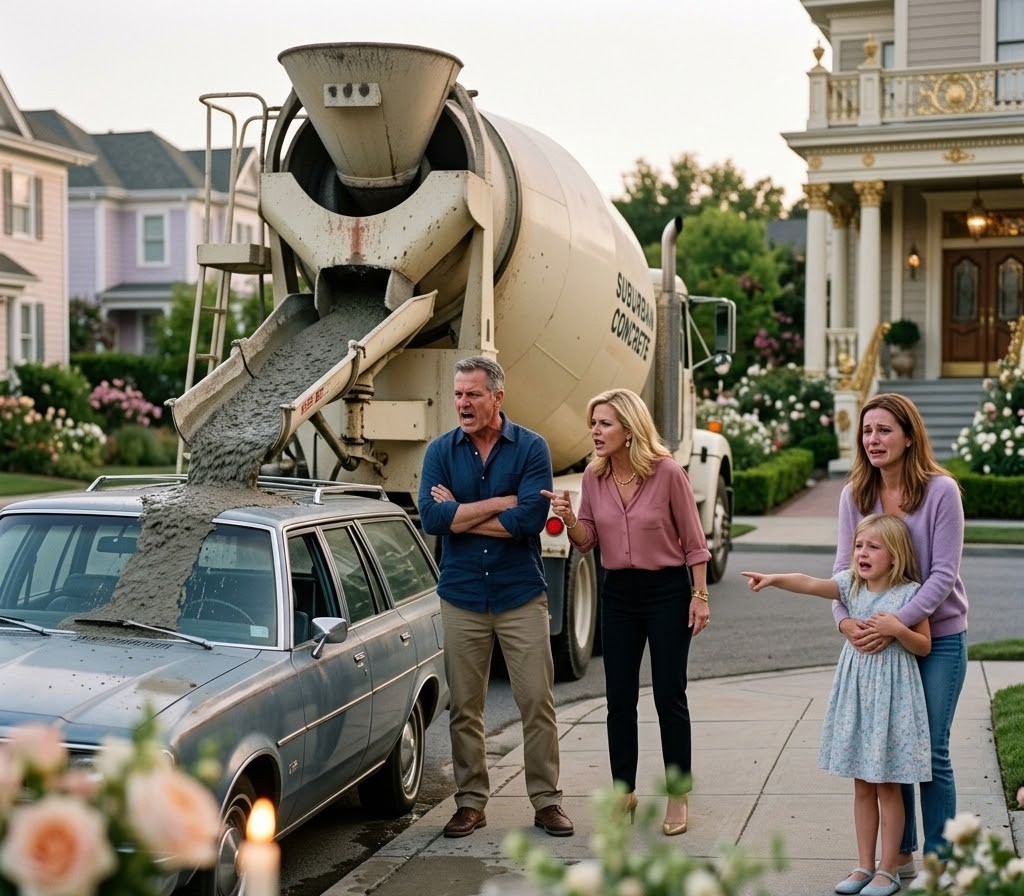
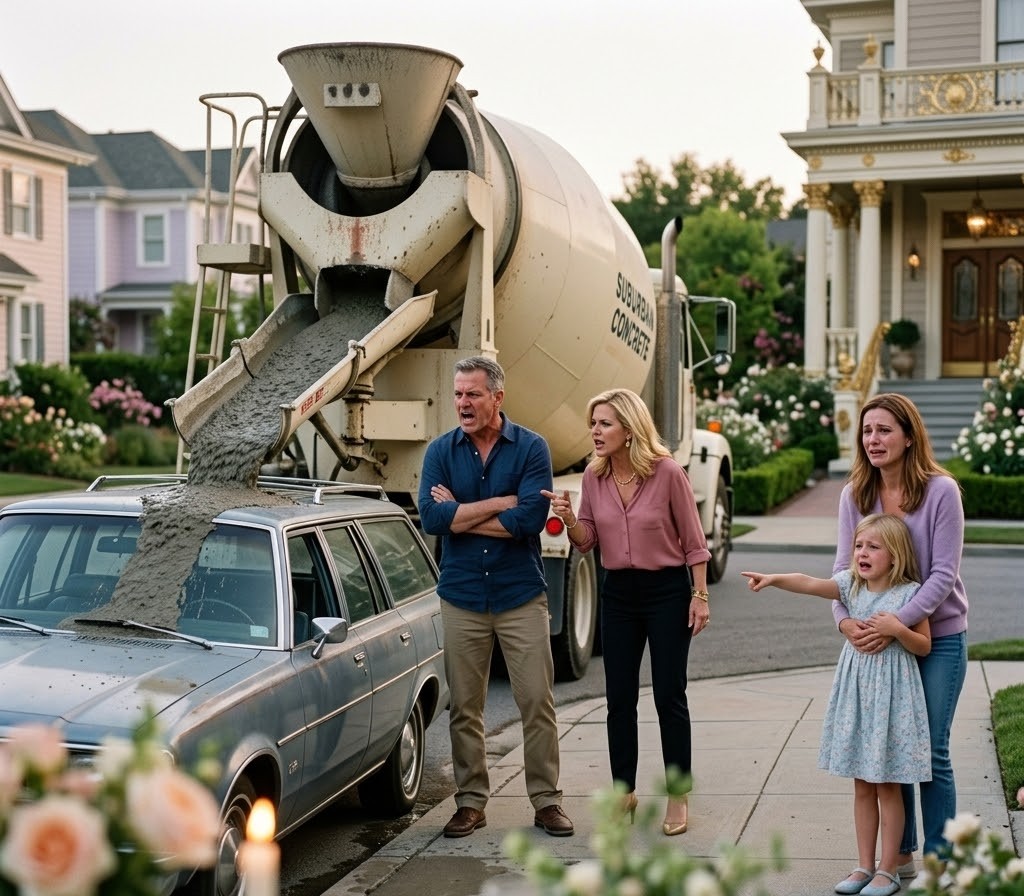

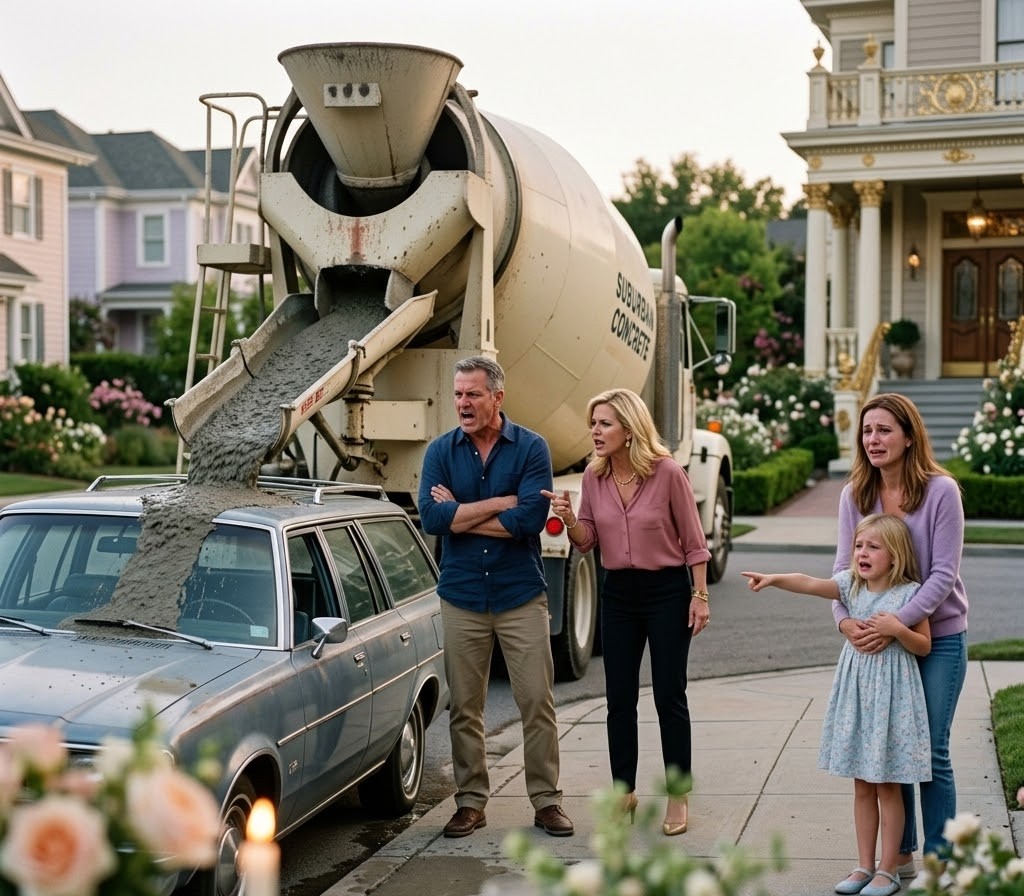
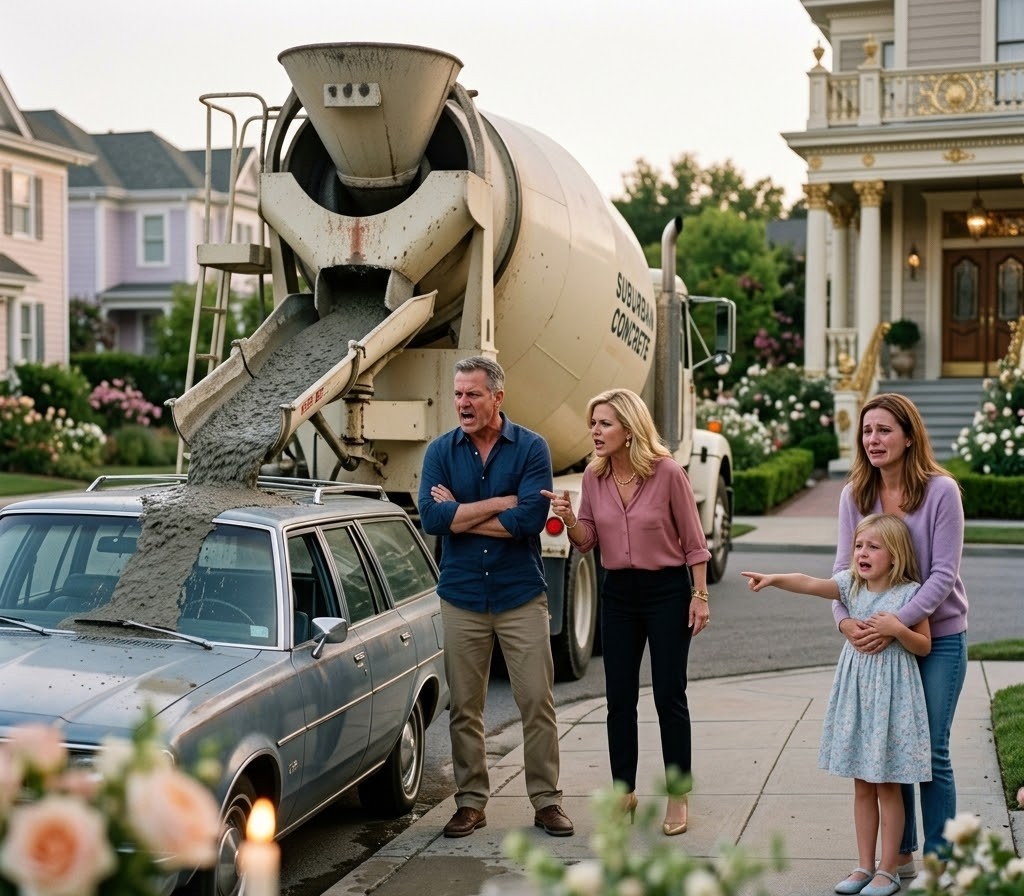
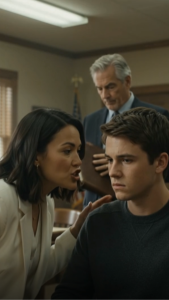
The town council’s brazen dismissal of our case, their faces impassive as they brushed aside evidence of blackmail and fraud, felt like a punch to the gut. Arthur Albright’s invisible grip on Lakeview’s institutions was far tighter than we had imagined. The injustice was infuriating, the sense of powerlessness suffocating. I had laid bare decades of cruelty, and they had simply shrugged, their loyalty to Albright outweighing any semblance of duty or justice.
We left the town hall in a daze, the cool night air doing little to extinguish the fire of my anger. Robert walked beside me, his usual composure strained, his own battle against Arthur’s smears still raging. The thought that his career was jeopardized, all for helping me, was a bitter pill.
“It’s no use,” I muttered, my voice hoarse. “He owns them all. Every last one.”
“It’s a setback, Eleanor, not the end,” Robert countered, though his voice lacked its usual conviction. “He has influence, yes. But the truth is still the truth.”
We returned to the quiet lake house, the silence amplifying our defeat. Sarah was already asleep, oblivious to the fresh blow we had just absorbed. I sank onto the couch, the documents scattered around me, feeling utterly drained. The legal avenues seemed closed, the public institutions compromised. What else could we do?
Robert, however, refused to give up. He paced the living room, his mind clearly still working, even in the face of such a crushing defeat. He stopped by my father’s old mahogany desk, a sturdy, dark piece of furniture that had been in our family for generations. My father had often worked there, writing letters, balancing accounts, his quiet presence a constant in my childhood.
“Our father was a cautious man, Eleanor,” Robert mused, running a hand over the polished wood. “He wouldn’t have just laid down and accepted this. He spent years in the Navy, in intelligence. He knew how to plan, how to anticipate.”
He began to meticulously examine the desk, running his fingers along the edges, testing the drawers, scrutinizing the intricate carvings. My father had always been fastidious, and the desk, though old, was still in remarkable condition. Robert’s trained eyes missed nothing.
I watched him, a faint spark of hope flickering within me. My father had been an intelligent, resourceful man. Would he have left something behind, some final defense against the inevitable? The thought that he might have anticipated this, that he might have prepared a “fail-safe,” was a comforting one, a testament to his enduring love and foresight.
Robert’s fingers paused on a small, ornate carving on the underside of the desk’s top drawer. He pressed it, then twisted it gently. With a soft click, a narrow strip of wood, barely visible, slid inwards, revealing a hidden compartment.
My breath hitched. “Robert!” I exclaimed, jumping to my feet. A secret compartment, tucked away in the very desk my father had used for so long. It felt like a direct message from him, a hidden hand reaching out from the past.
Inside, nestled amongst a few yellowed envelopes and some forgotten coins, was a single, tightly folded letter. It was addressed, in my father’s elegant script, to “George Davies.” The irony was stark: a letter to the very witness who had finally broken his silence.
I carefully unfolded the brittle paper. The letter wasn’t a confession, not directly. It was coded, a series of seemingly random numbers and letters interspersed with key phrases. Robert, with his background in military intelligence, immediately recognized the pattern.
“It’s a simple substitution cipher,” he explained, his eyes alight with renewed purpose. “Likely a key phrase he would have shared with George, or something obvious from their shared past.”
We worked late into the night, Robert explaining the principles of decryption, my own mind eager to help. The letter, once deciphered, revealed itself to be a set of instructions, not a direct message. It hinted at a “final measure,” stored away, to be used only if the blackmail ever threatened his family after his death.
“My dear George,” Robert read aloud, translating the last few lines, “if my children ever face undue hardship from ‘the serpent and his bride,’ you will know it is time. The truth is safely kept. Follow these instructions.”
The phrase “the serpent and his bride” sent a shiver down my spine, a chilling reference to Arthur and Patricia Albright. My father, in his quiet way, had indeed anticipated this. He had not only suffered in silence, but he had also planned, meticulously and secretly, for our protection. This hidden letter wasn’t just a clue; it was a testament to his resilience, his love, and his enduring defiance against the cruelty that had shadowed his life. The sting of the council’s dismissal still lingered, but now, a new path had opened, a path paved by my father’s foresight.
More Stories








+ There are no comments
Add yours