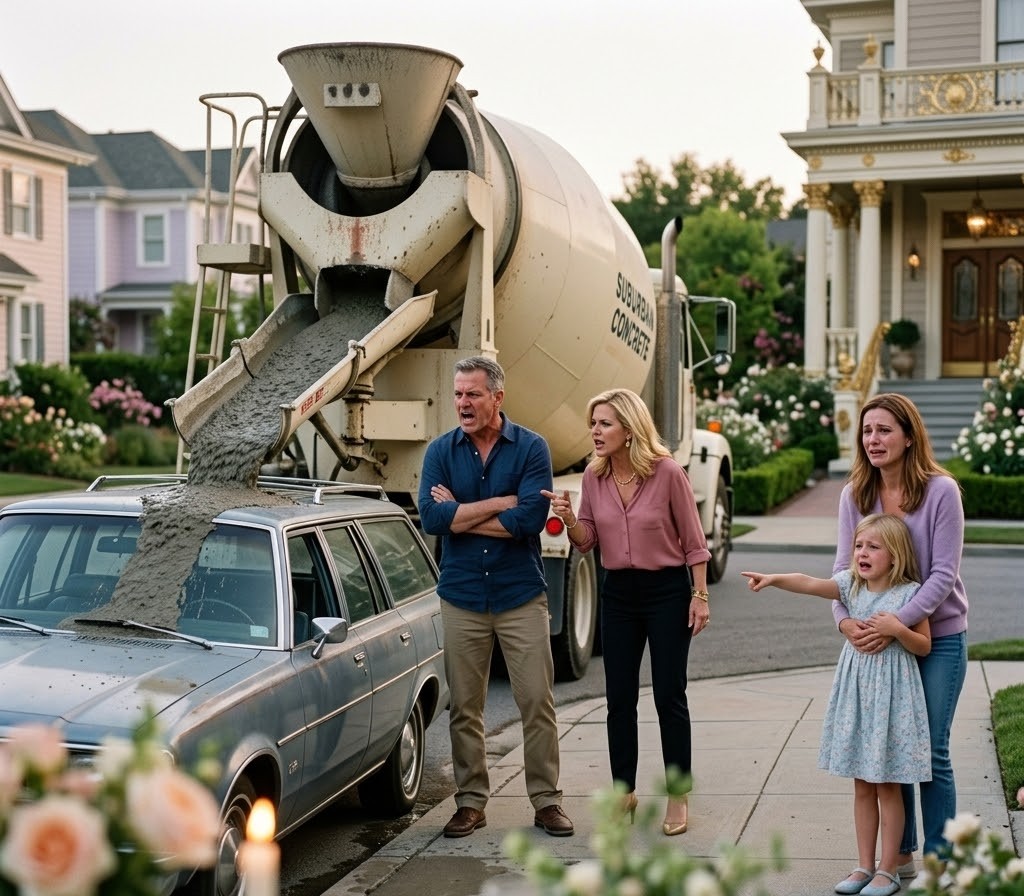
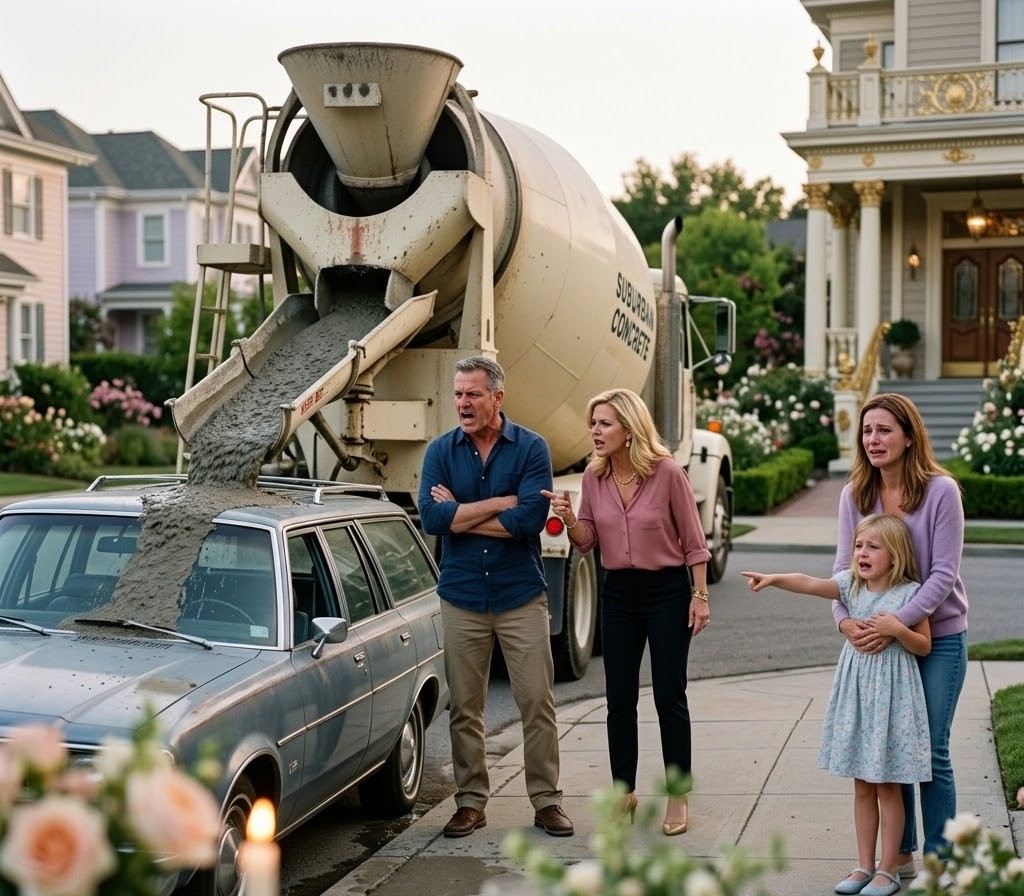
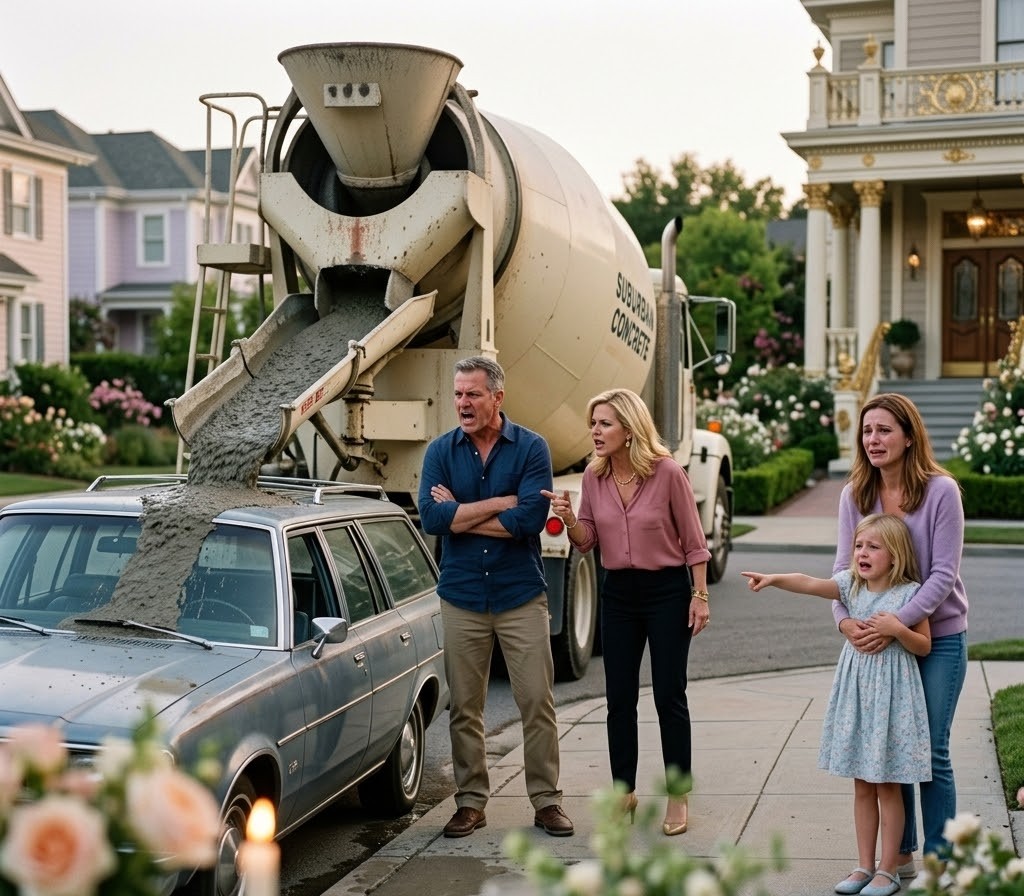
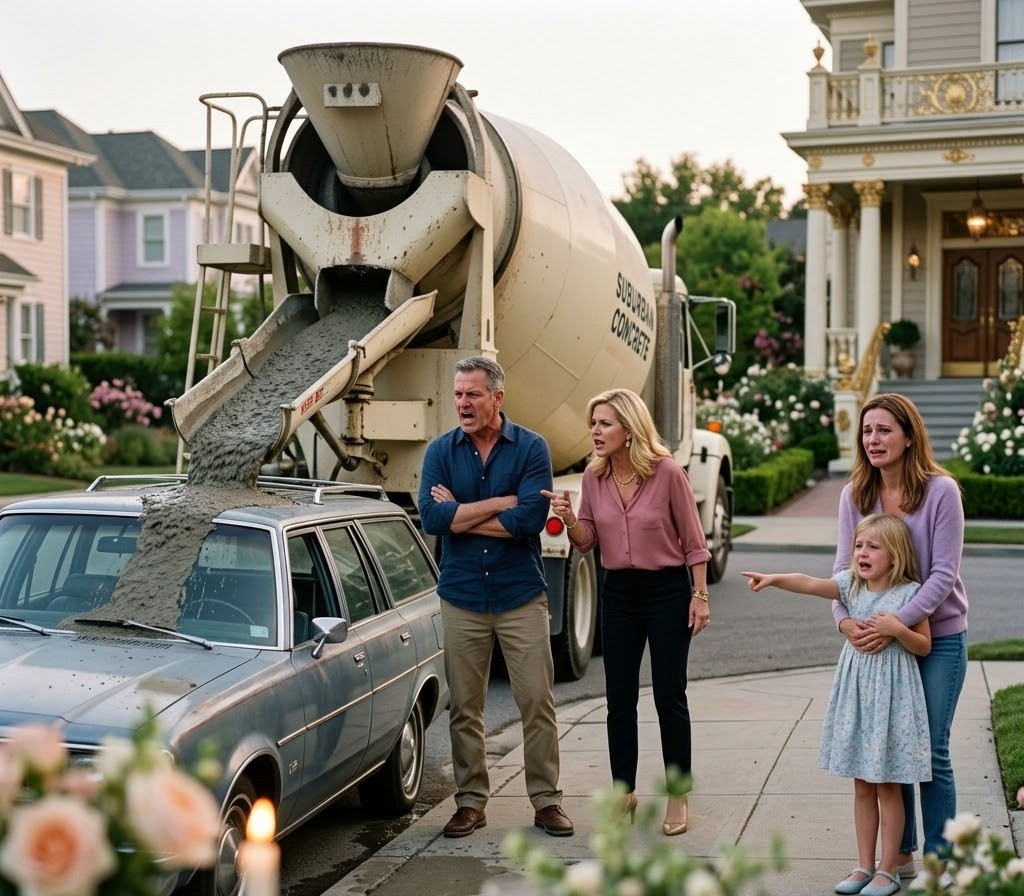
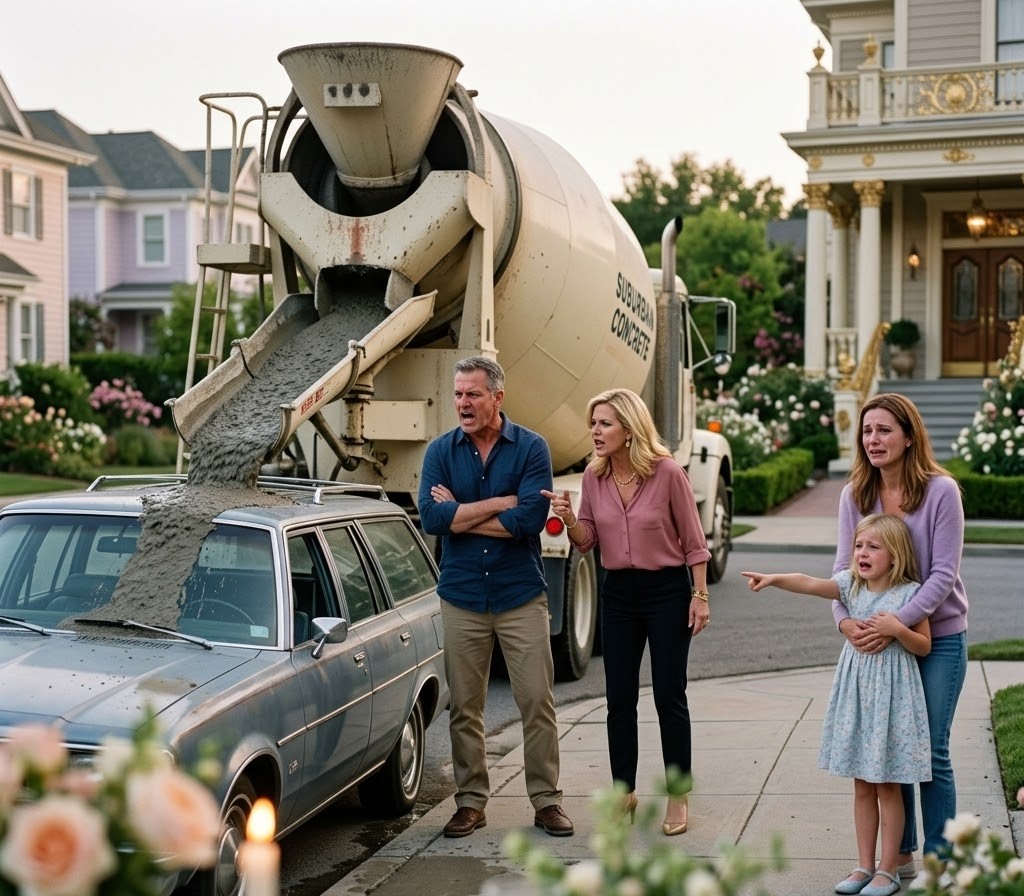
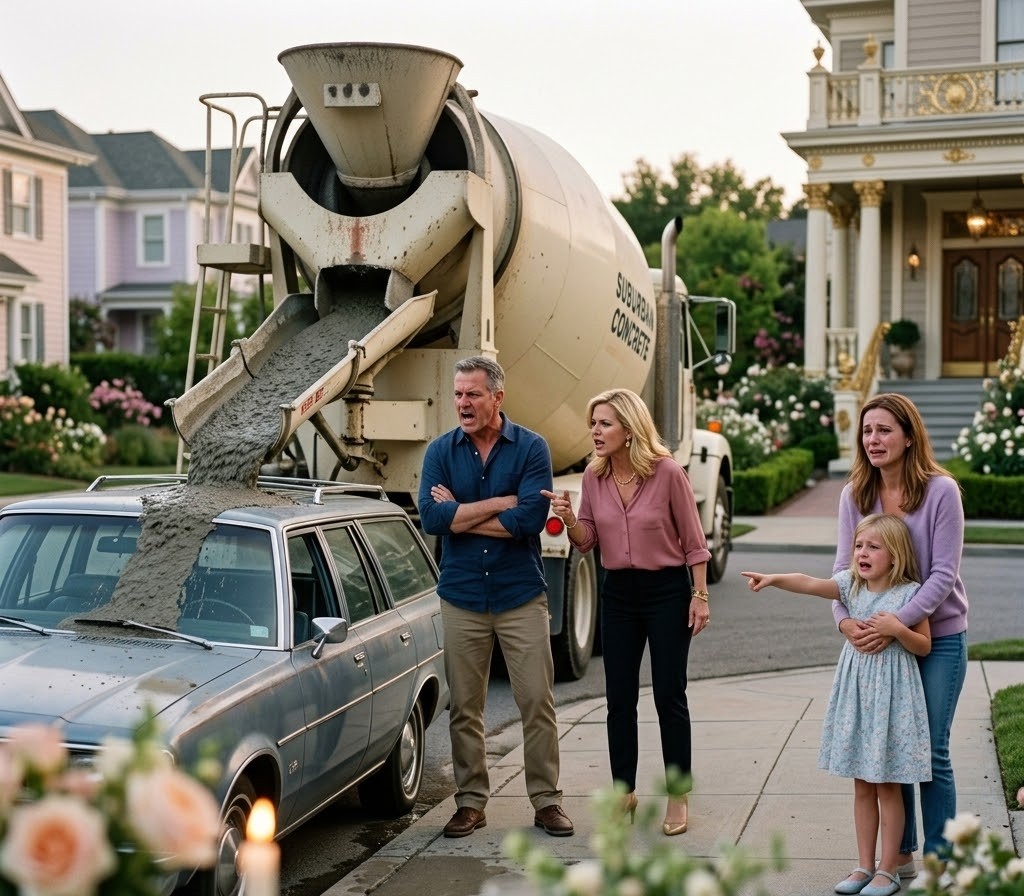
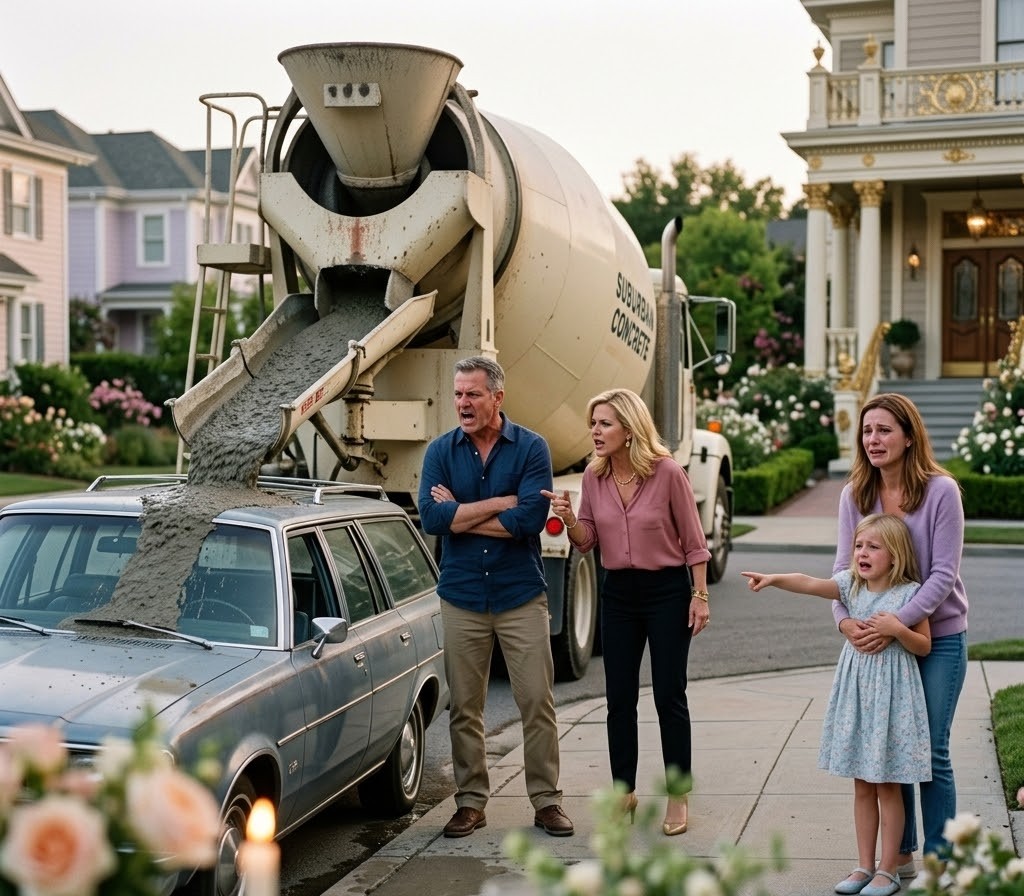
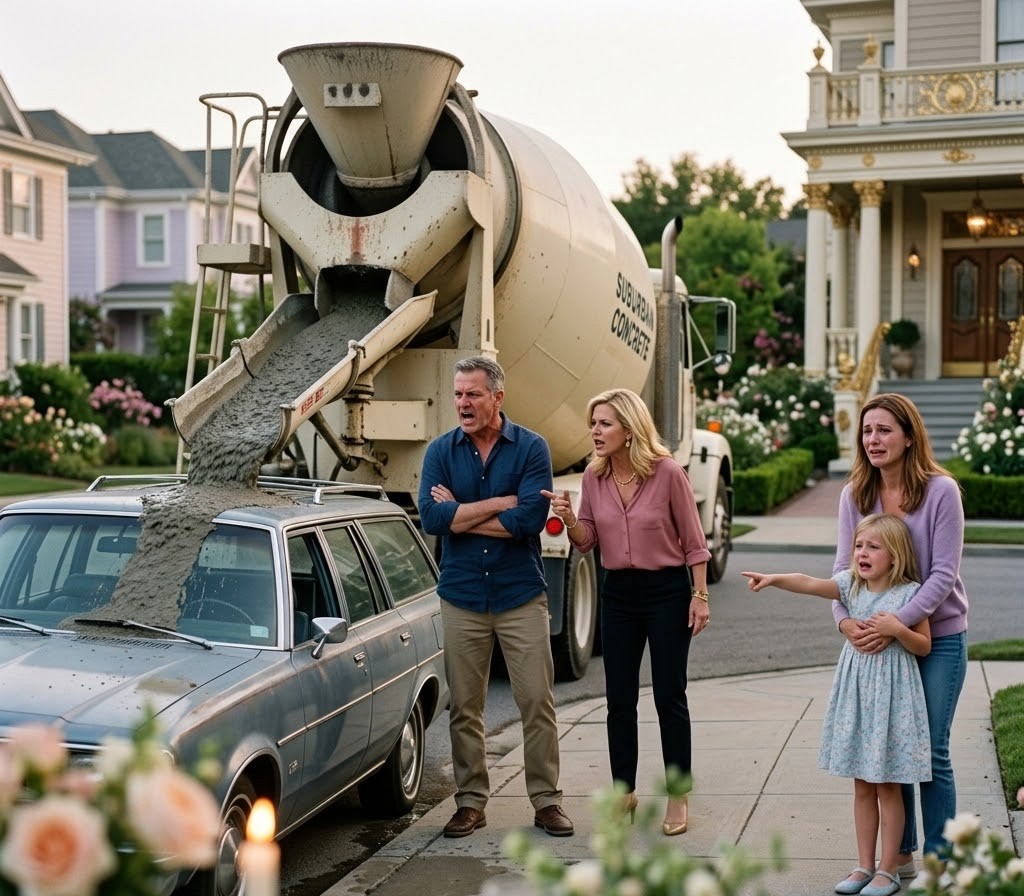
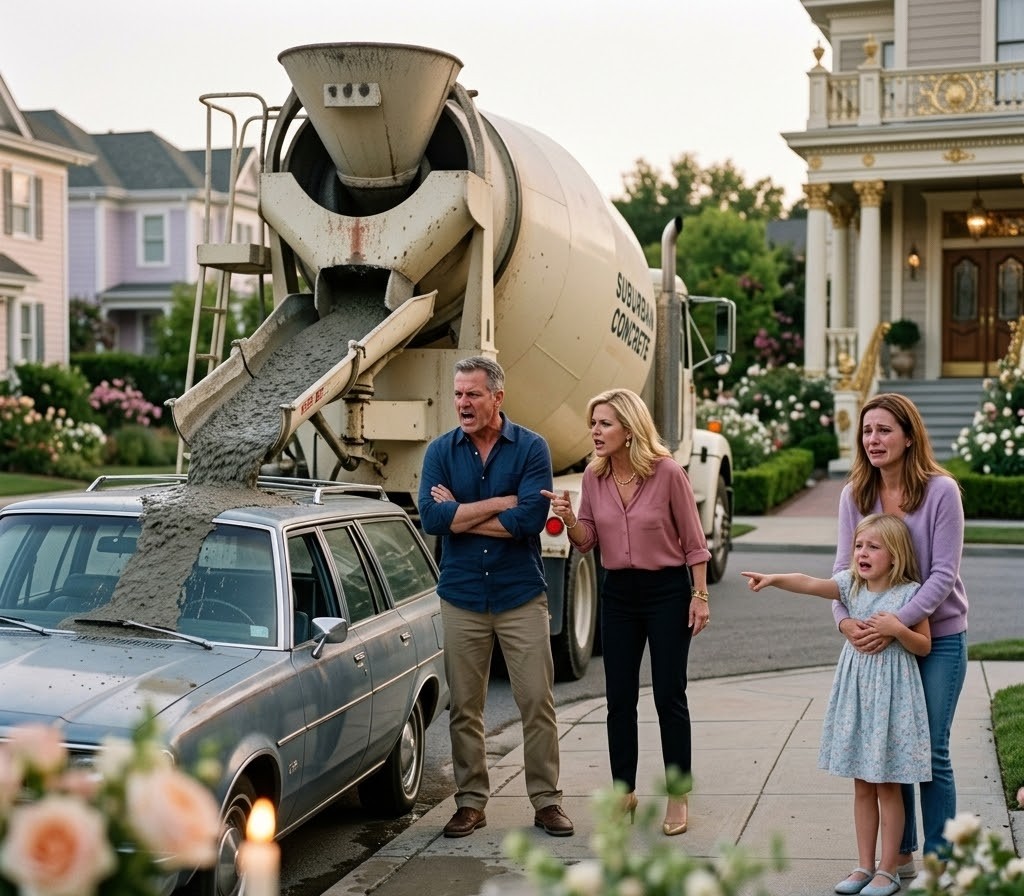
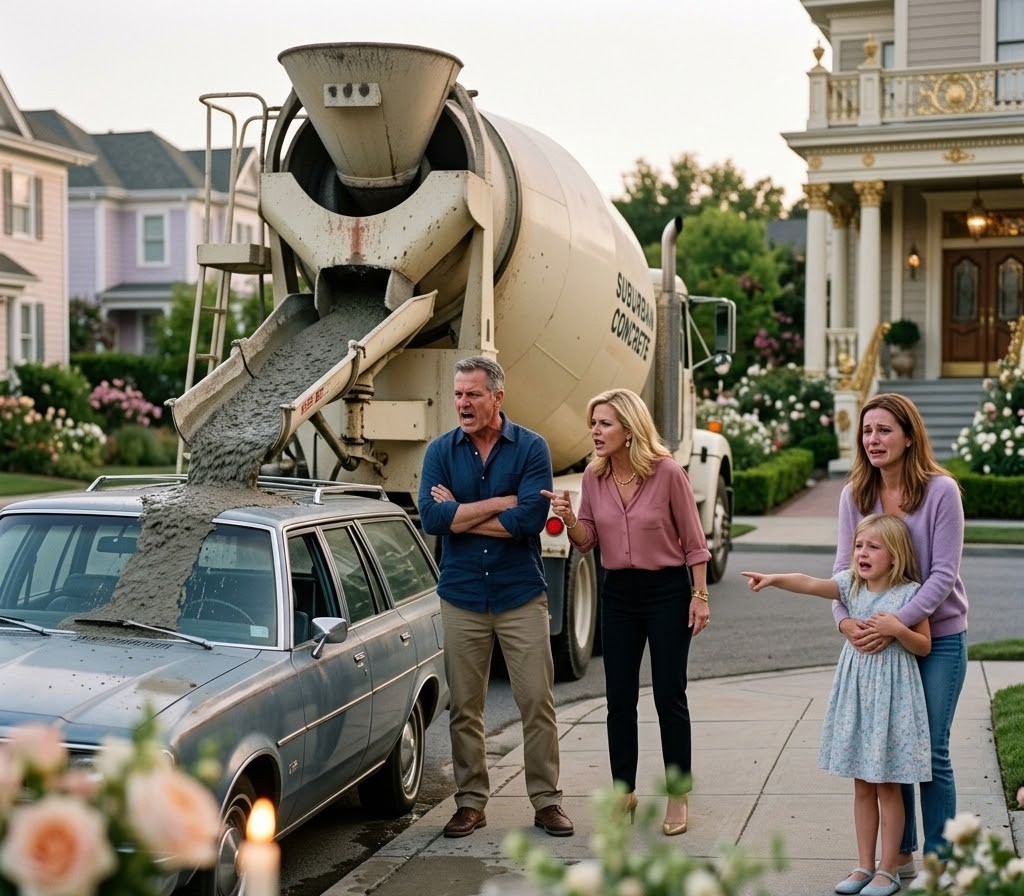
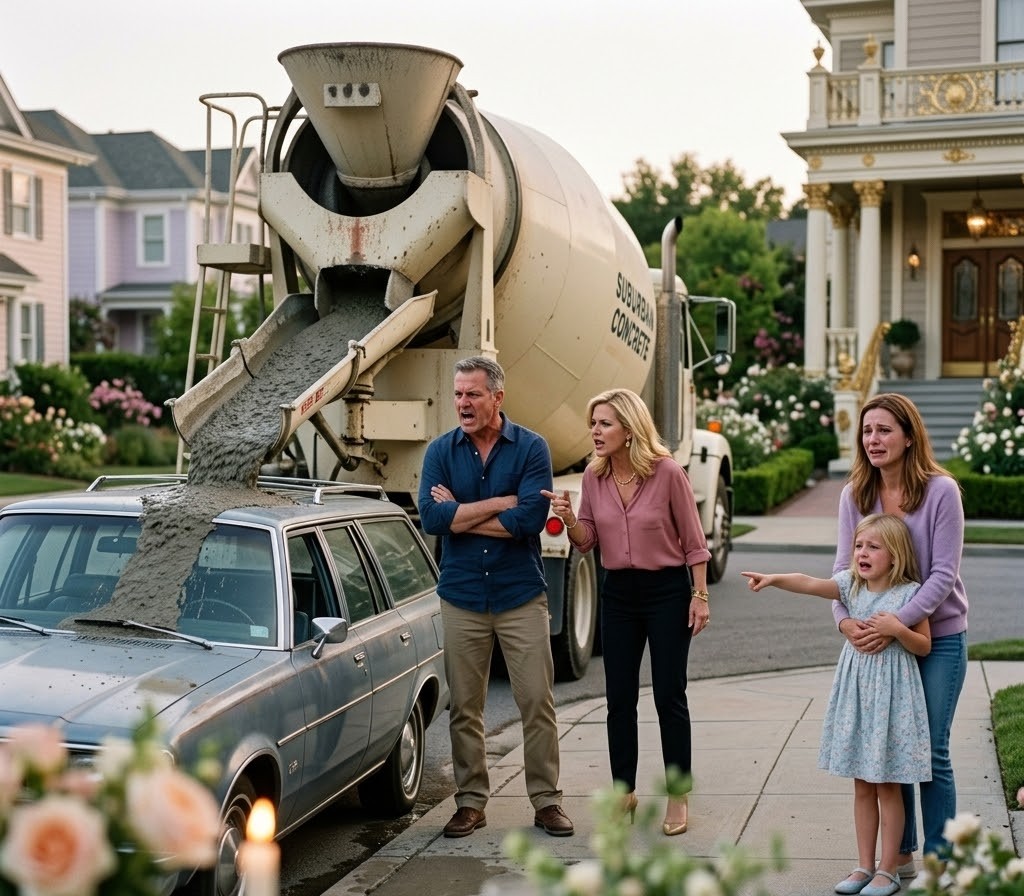
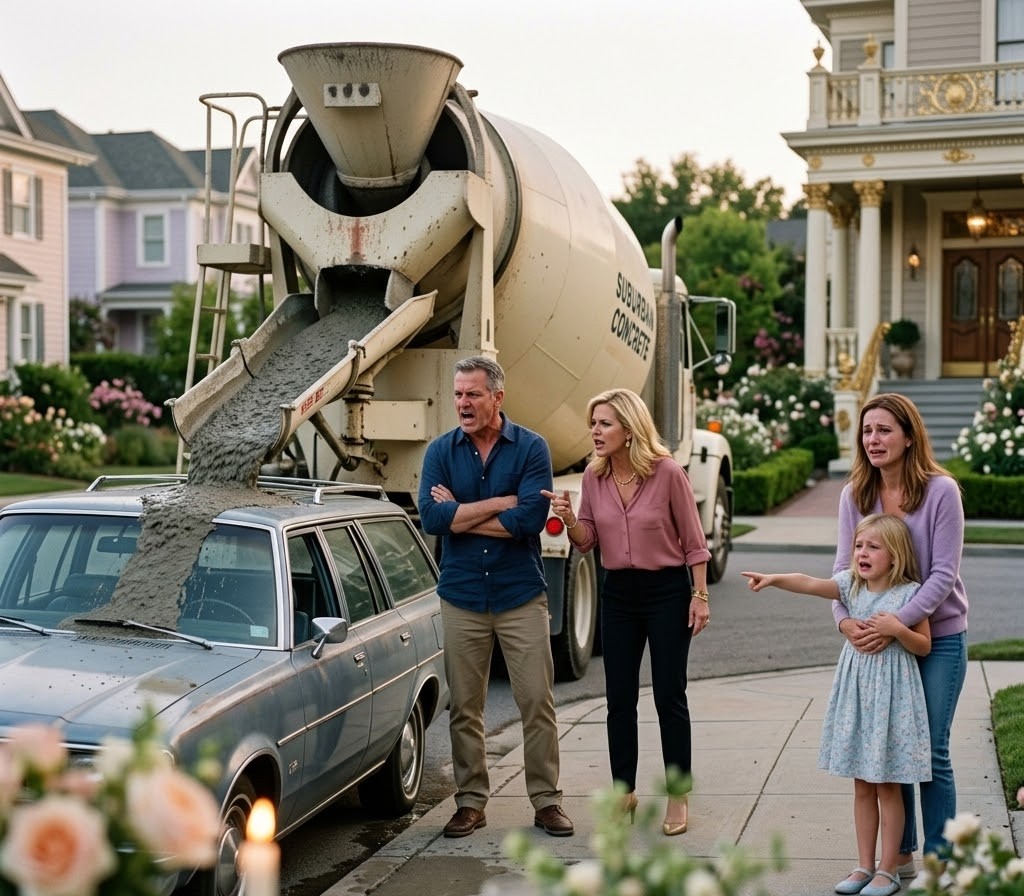
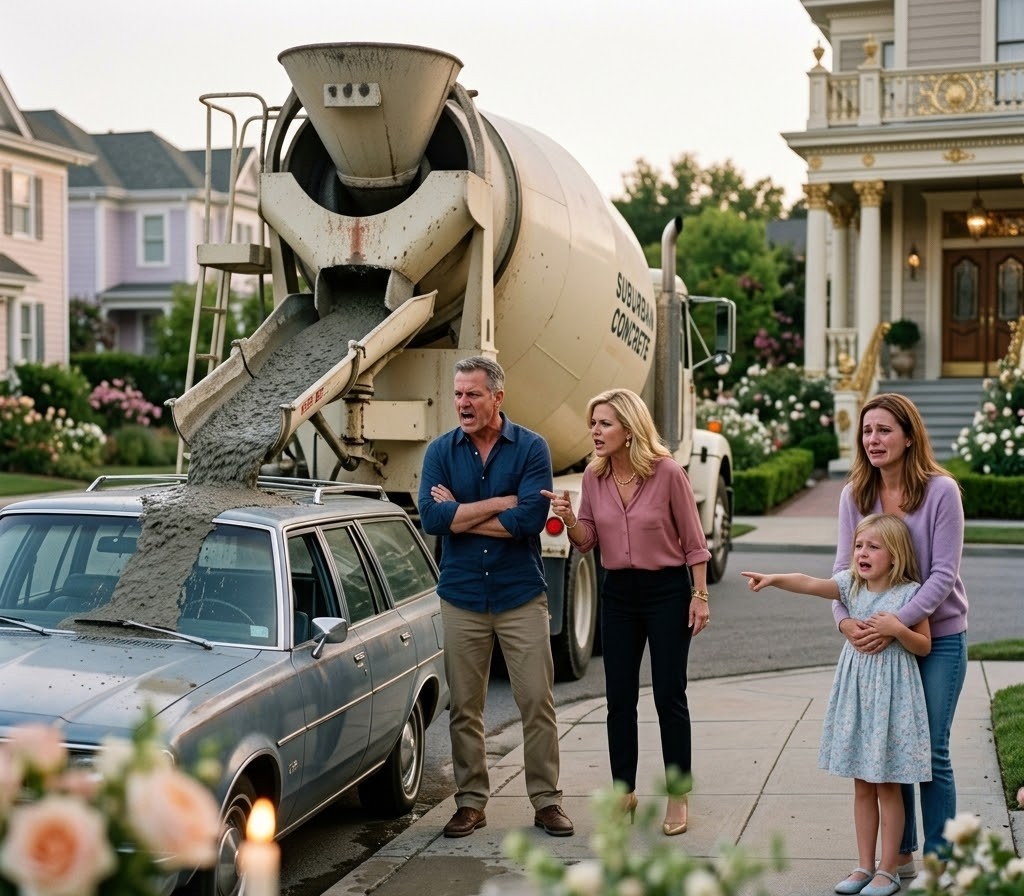
After Her Neighbor Concreted Her Father's Prized Car, a Single Mother Uncovered a Wartime Blackmail Scheme
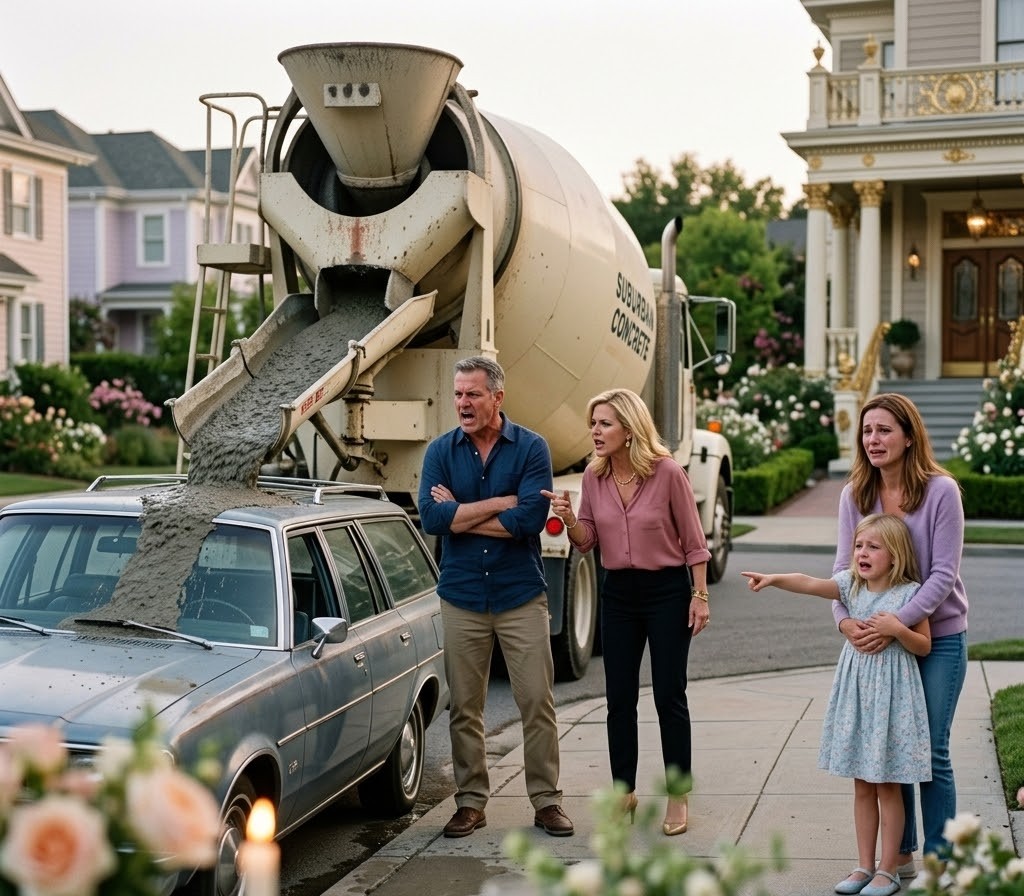
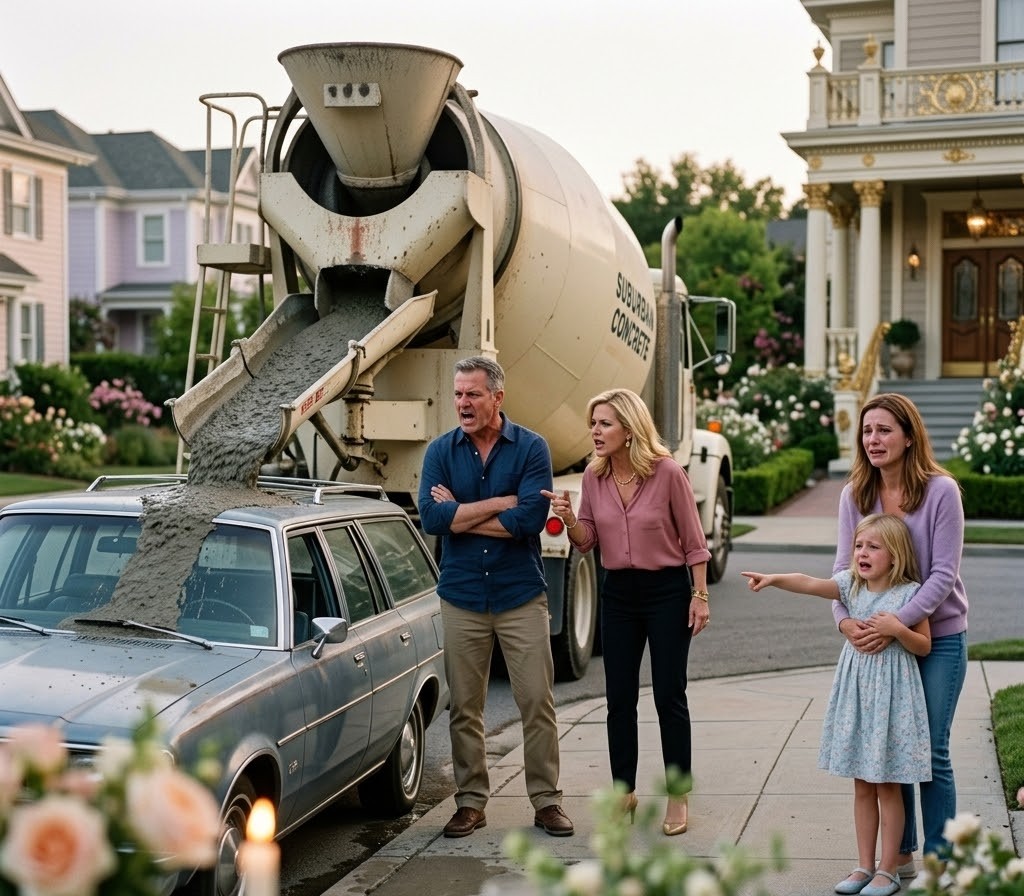
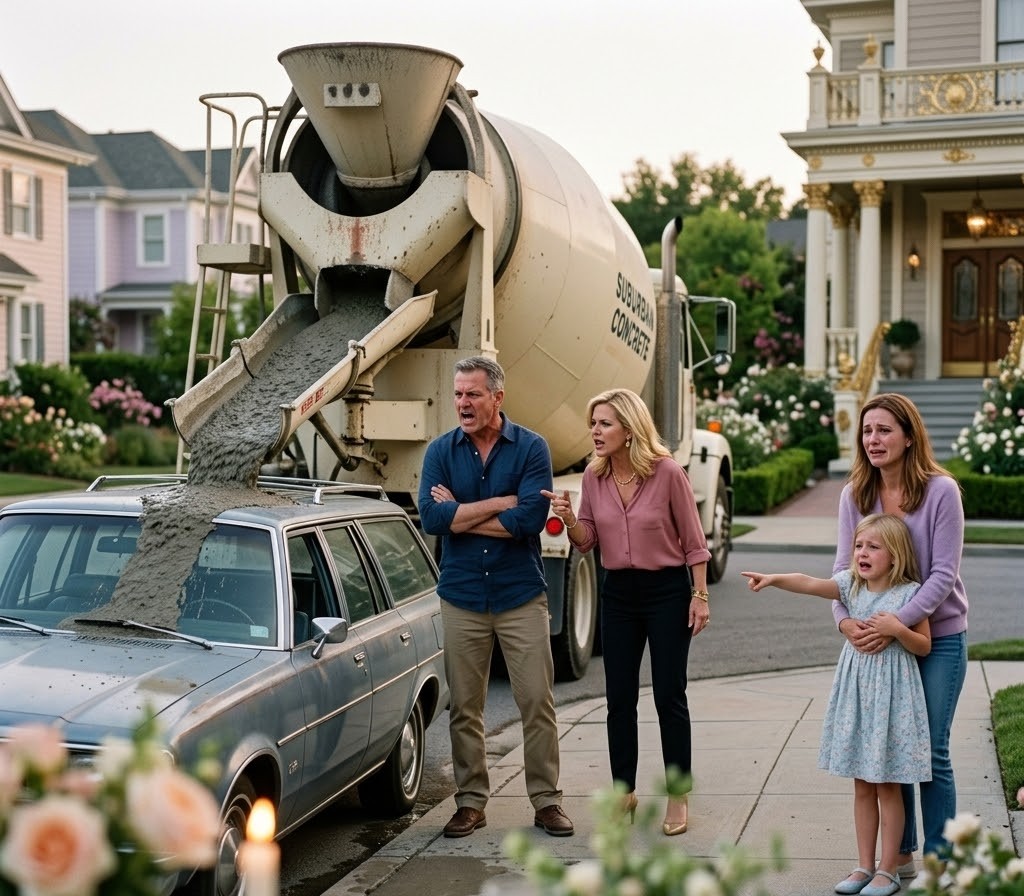

The discovery of my father’s coded letter, hidden within his old desk, was a profound turning point. It wasn’t just a clue; it was a testament to his foresight, his quiet strength, and his unwavering love for his family, even from beyond the grave. The phrase “the serpent and his bride” echoed in my mind, a chillingly accurate description of the Albrights. My father had anticipated their future actions, had planned for our protection long before we even knew we needed it.
Robert, with his sharp mind, quickly set to work on deciphering the full coded message. It was a painstaking process, but piece by piece, the seemingly random numbers and letters began to reveal their true meaning. The instructions led us, not to another hidden compartment, but to a location. A public place, yet one where secrets were often kept, officially and permanently.
“The Lakeview Historical Society Archives,” Robert finally declared, pointing to a string of numbers that, when decoded, spelled out the address. “He filed something there. With specific instructions.”
My heart hammered against my ribs. A historical society. It was a genius move. A public place, yet obscure enough that it wouldn’t draw immediate attention, a place where records were preserved for posterity. My father, the quiet intelligence officer, had played a long game.
The next morning, armed with the decoded instructions and George Davies’ signed statement, Robert and I drove to the Lakeview Historical Society. It was a modest building, tucked away behind the bustling main street, filled with the hushed reverence of forgotten histories. The air smelled of old paper and dust.
We approached the archivist, a kind, bespectacled woman named Mrs. Peterson, who looked at us with mild curiosity. Robert explained our purpose, handing her the decoded instructions, which specified the exact call number and retrieval protocol my father had set up years ago.
Mrs. Peterson scrutinized the document, her brow furrowing slightly at the unusual request. “A sealed document, to be released only to Henry Caldwell’s direct descendants, upon presentation of specific evidence of hardship from the Albright family,” she read aloud, her voice soft. “It’s all very… precise.”
She nodded then, accepting the validity of the instructions and the accompanying evidence. “Your father was a very thorough man, Mr. Caldwell. And very particular about his wishes.” She disappeared into the labyrinthine stacks, leaving us in a tense, anticipatory silence.
After what felt like an eternity, Mrs. Peterson returned, carefully carrying a large, aged envelope. It was thick, heavy parchment, sealed with no less than three wax seals, each bearing my father’s personal signet. Across the front, in bold, unmistakable letters, were the words: “CONFIDENTIAL. TO BE OPENED ONLY BY HENRY CALDWELL’S CHILDREN.”
My hands trembled as I took the envelope. Its weight felt immense, not just of paper, but of decades of unspoken suffering, of a painful truth finally revealed. Robert, usually so composed, looked equally stunned. The meticulousness of my father’s planning, the years he must have lived with this secret, protecting it, was overwhelming.
Inside, we found a stack of documents. At the very top, a notarized, hand-written confession. It was my father’s story, meticulously detailed, step by painful step. He recounted his return from the war, his struggles with “shell shock,” his attempts to find peace by the lake. He wrote about Arthur Albright’s relentless pressure for the timber rights.
Then, with chilling clarity, he detailed Patricia Albright’s blackmail: her knowledge of the “friendly fire” incident, her explicit threats to expose him, and the agonizing choice he faced between losing his land and losing his honor. He named specific dates, specific locations, and even quoted Patricia’s exact words. He described the profound shame and fear he lived with, the “cost” that gnawed at him for the rest of his life. The document was a raw, unfiltered outpouring of his deepest pain.
But there was more. Appended to the confession were copies of military records, carefully redacted to protect other names, but confirming the general circumstances of the “friendly fire” incident. There was even a cryptic reference to a nurse’s aide at the local hospital who had briefly seen the original reports, confirming Patricia’s access. The level of detail was breathtaking, a testament to my father’s methodical intelligence and his unwavering commitment to documenting the truth.
My eyes blurred with tears as I read his words, his voice echoing in my mind. He had not only exposed the Albrights’ cruelty and fraud, but he had also laid bare his own painful vulnerability, a secret he had guarded so fiercely. This wasn’t just evidence; it was his legacy, his vindication, meticulously prepared for us, his children, should we ever face the same “serpent and his bride.” The notarized truth was a weapon, forged from his suffering, and its power was absolute.
More Stories







+ There are no comments
Add yours