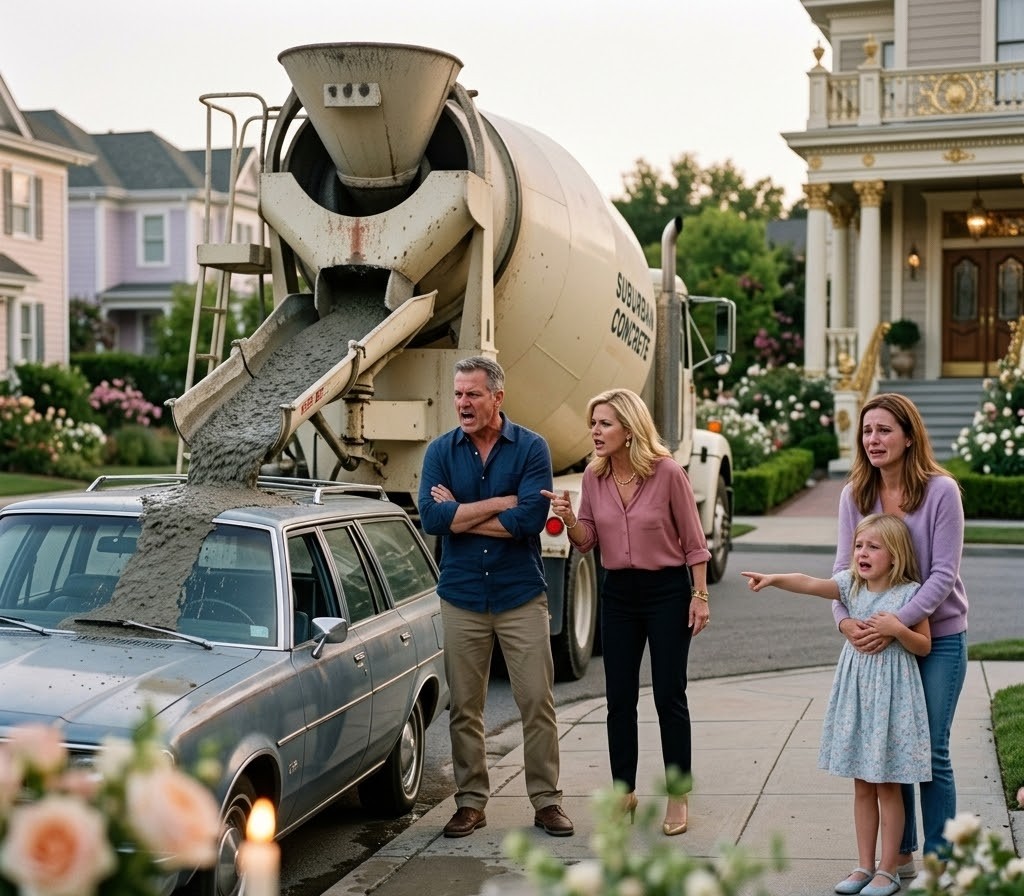
After Her Neighbor Concreted Her Father's Prized Car, a Single Mother Uncovered a Wartime Blackmail Scheme
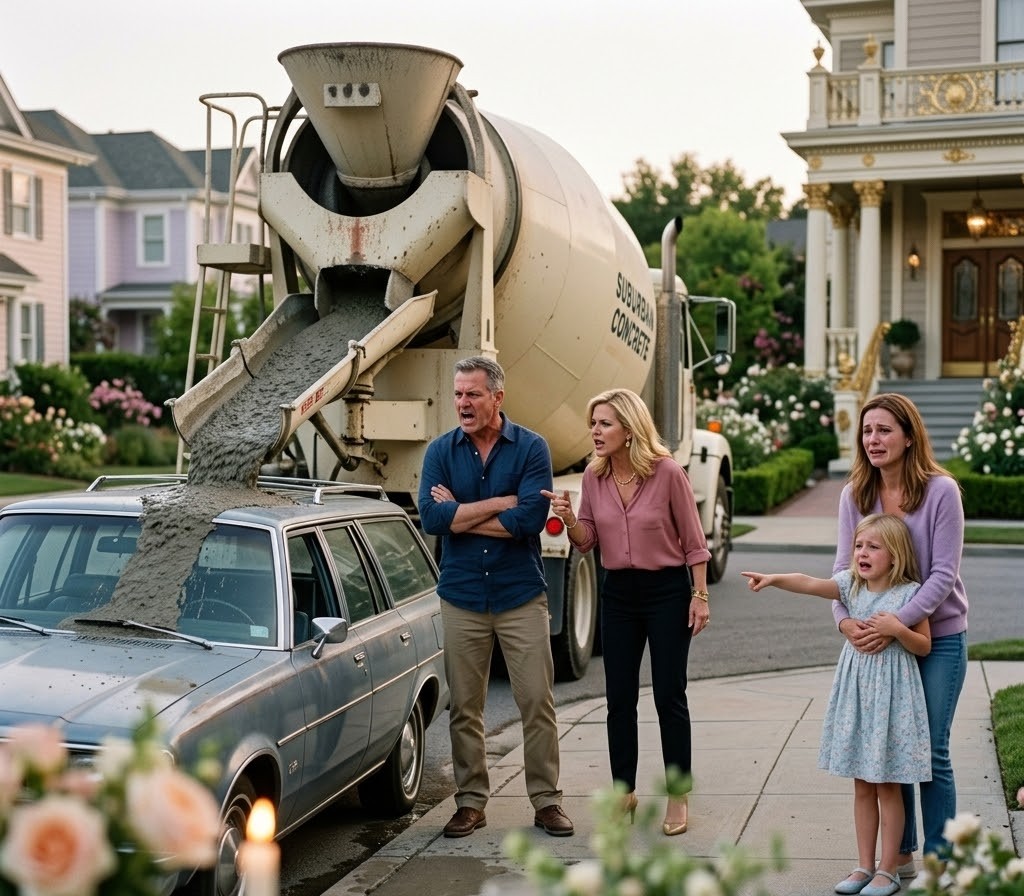

The discovery of Arthur Albright’s fraudulent use of Patricia’s father’s veteran status on the timber rights transfer was a game-changer. It wasn’t just a moral outrage; it was a legal vulnerability, a chink in the Albrights’ seemingly impenetrable armor. Robert’s excitement was palpable, a stark contrast to my own simmering rage. The sheer audacity of Arthur’s deceit, combined with Patricia’s cruel blackmail, made a potent cocktail of injustice.
“This is it, Eleanor,” Robert repeated, tapping the faded ordinance. “We have them. This could unravel everything.”
We spent the next few days meticulously organizing our evidence: George Davies’s detailed, signed statement, a copy of the 1946 ordinance, the fraudulent timber transfer documents, and the faded photograph of my father and Patricia. The pile of papers on the kitchen table represented decades of hidden cruelty and calculated deception.
Our confidence grew with each organized document. We discussed strategy, imagining the Albrights’ reactions when confronted with the undeniable proof. I even dared to hope that our long nightmare was finally coming to an end.
But the Albrights, it turned out, were not to be underestimated. They had ears and eyes everywhere in Lakeview. Arthur, sensing that our quiet investigation was gaining traction, launched his counterattack, a vicious, personal strike aimed directly at Robert.
It started subtly, with a few odd phone calls to Robert’s new office in Washington D.C. He was trying to establish himself as a veterans’ advocate, using his military intelligence background to help fellow servicemen navigate bureaucracy and find resources. He had built a reputation based on integrity and a deep understanding of military service.
Then, the whispers began. They reached him through former colleagues, through contacts in the veterans’ league, even through casual acquaintances in Lakeview. False rumors, subtly planted, began to circulate. They questioned Robert’s distinguished military service, suggesting “irregularities” in his discharge, implying that his intelligence work was less than honorable, or that he had used his position for personal gain.
“It’s Arthur,” Robert said flatly one evening, his face etched with a mix of fury and disbelief as he recounted a particularly nasty phone call from a member of the veterans’ league. “He’s spreading lies about my record. Saying I was dishonorably discharged, that my intelligence reports were fabricated.”
My stomach clenched. “But that’s absurd! Your record is spotless.” Robert had always been the paragon of military honor in our family.
“Doesn’t matter,” he replied, running a hand through his hair. “It’s enough to plant doubt. Enough to make people question. He knows my career hinges on trust, Eleanor. On my reputation with veterans.”
This was a particularly insidious form of cruelty. Arthur wasn’t just attempting to undermine our case; he was aiming to destroy Robert’s livelihood, his honor, and his ability to help others. He was weaponizing the very thing Robert held most dear: his service and his commitment to veterans. It was a direct, personal assault on Robert’s character and future, a mirroring of how he had attacked our father’s reputation decades ago.
The phone calls escalated. Meetings Robert had scheduled with potential benefactors for his veterans’ foundation were abruptly canceled. Colleagues who had once been eager to collaborate suddenly became distant, their voices cool and guarded. A small grant application, crucial for his fledgling organization, was suddenly put “under review” with no explanation.
“He’s trying to silence me, Eleanor,” Robert said, his voice tight with frustration. “He’s trying to cut off my funding, my network, my ability to operate. If I can’t build trust, I can’t do my job.”
I felt a surge of guilt. Robert had come here to help me, to avenge our father, and now his own reputation, his own future, was being systematically destroyed by Arthur Albright. This attack was far more sophisticated than simply pouring concrete on a car; it was a quiet, relentless assault on everything Robert had built. Arthur Albright was not just a greedy man; he was a master manipulator, willing to burn down anyone who stood in his way, using their very strengths as their weaknesses. The fight had become far more personal, far more dangerous, than I had ever imagined.
More Stories









+ There are no comments
Add yours