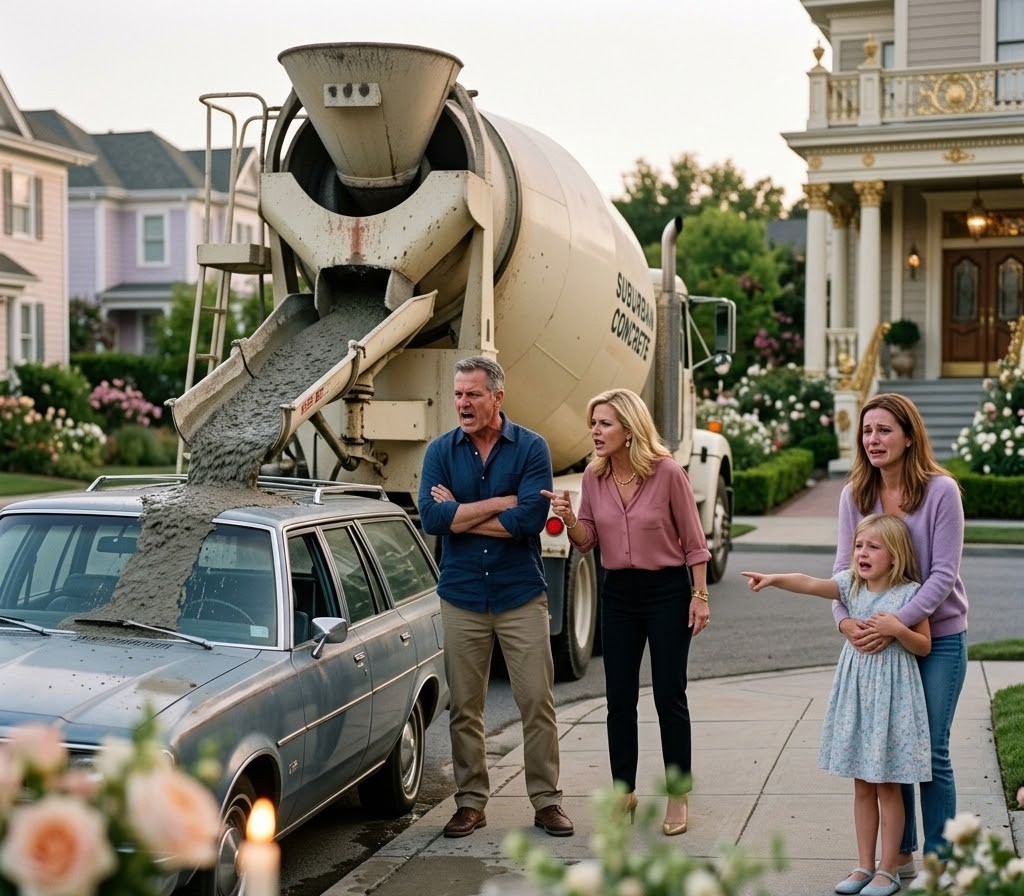
After Her Neighbor Concreted Her Father's Prized Car, a Single Mother Uncovered a Wartime Blackmail Scheme
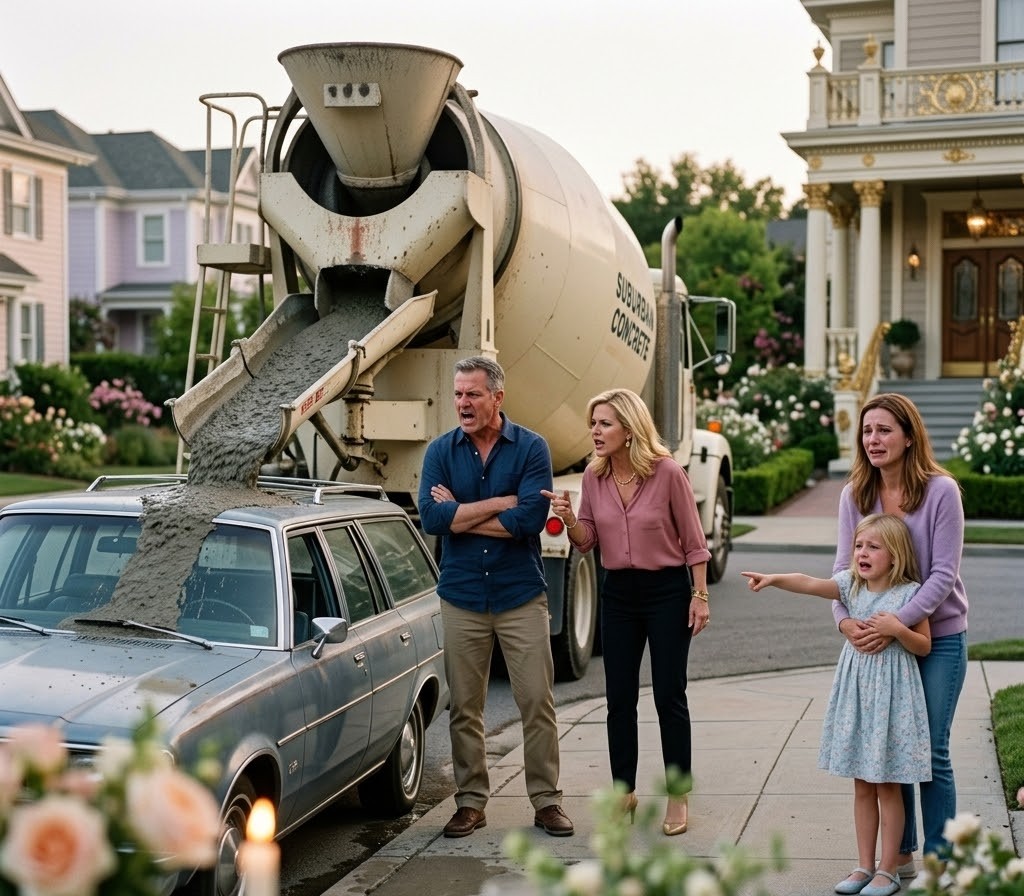
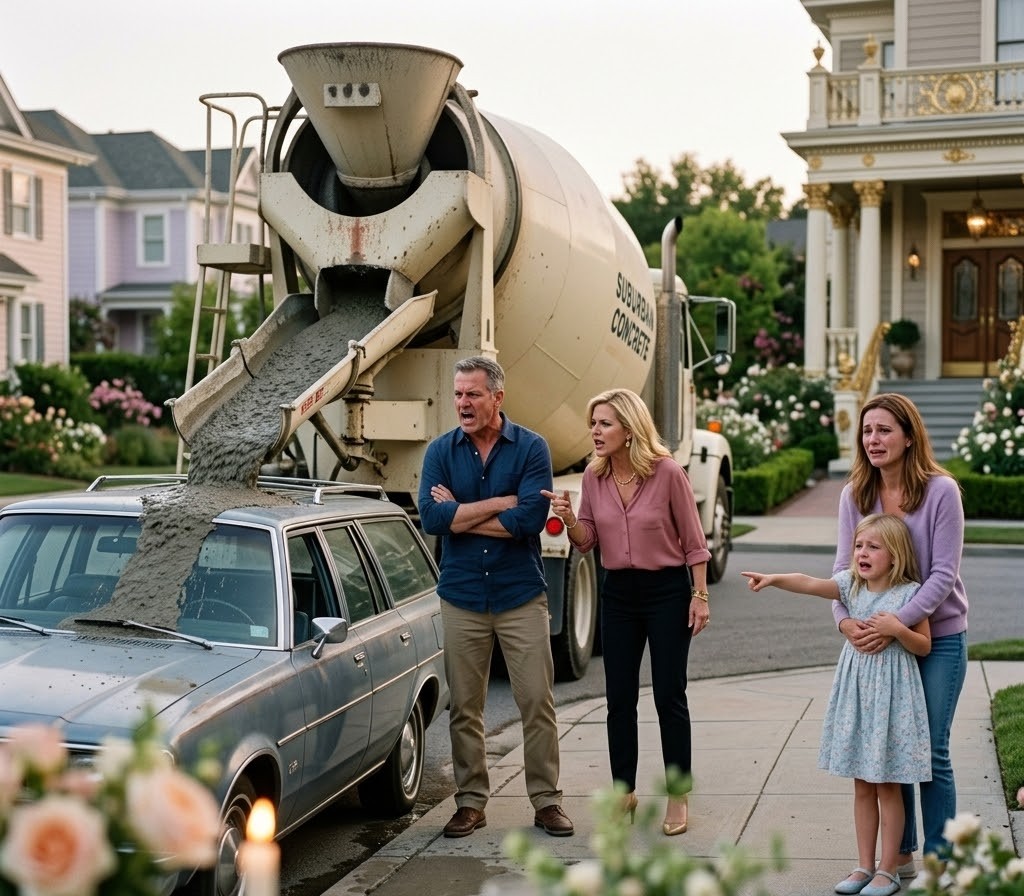
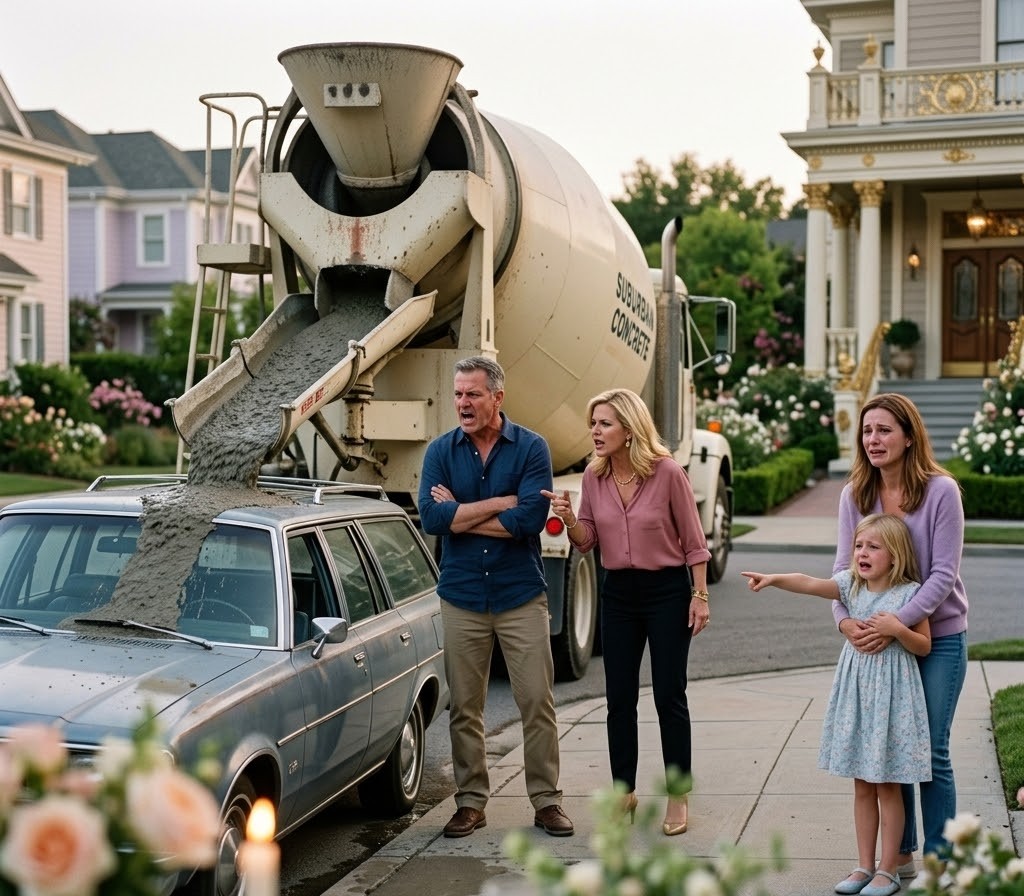

Arthur Albright’s retaliatory attack on Robert’s reputation, twisting his honorable military service into a weapon of doubt, solidified the true nature of our adversary. This wasn’t a petty squabble; it was a war, waged with lies and insidious influence. The personal sting of his cruelty, aimed at the very core of Robert’s identity, fueled my determination to expose him. We had the evidence of his fraud, Patricia’s blackmail, and now his smear campaign. It was time to bring it to light, to the town’s official institutions.
“We have to take this to the town council, Robert,” I insisted, gathering our meticulously organized documents. “They have to see this. They can’t ignore a fraudulent land transfer and blackmail, especially not with George’s signed statement.”
Robert, though weary from fighting the rumors against him, agreed. “It’s the next logical step. They’re supposed to represent the community, to uphold the law. Let’s see if they remember their duty.”
The town council meeting was held on a Tuesday evening in the small, echoing chambers of the town hall. The room was sparsely filled, mostly with a few local residents interested in minor zoning issues. Mayor Thompson, a jovial man with a politician’s easy smile, presided over the meeting, flanked by four other council members. They all knew Arthur Albright, and many owed him favors.
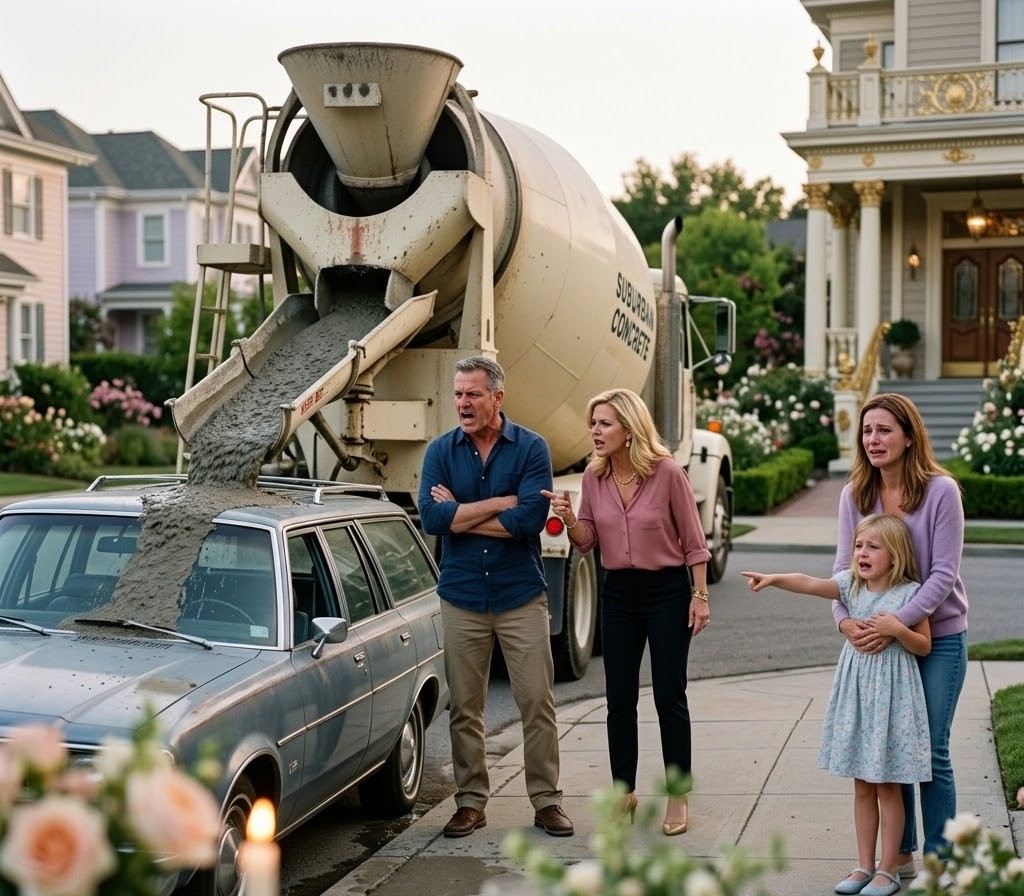
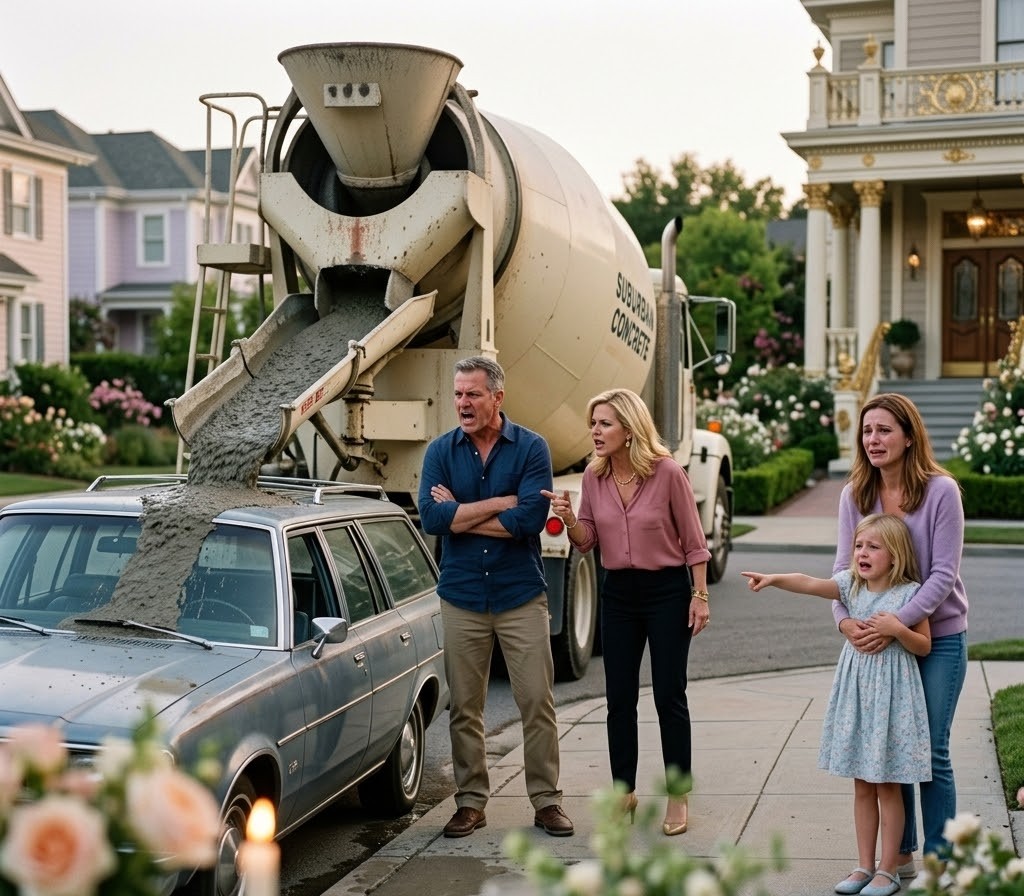
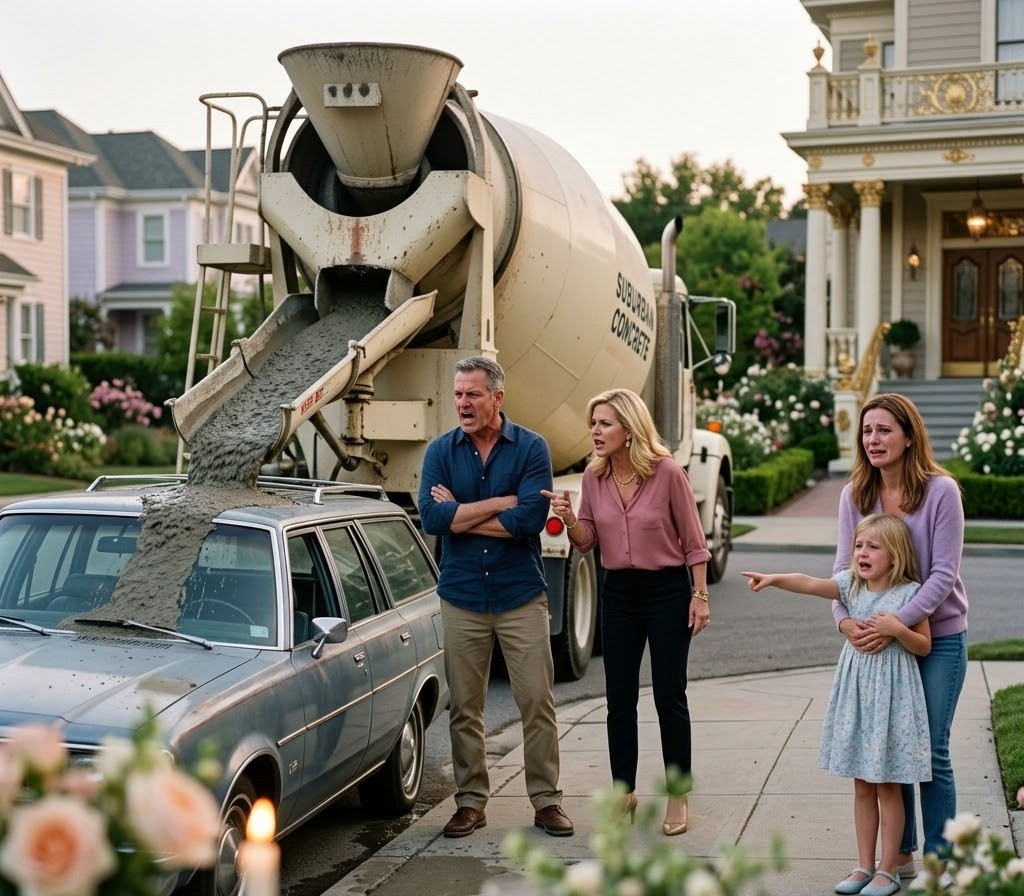
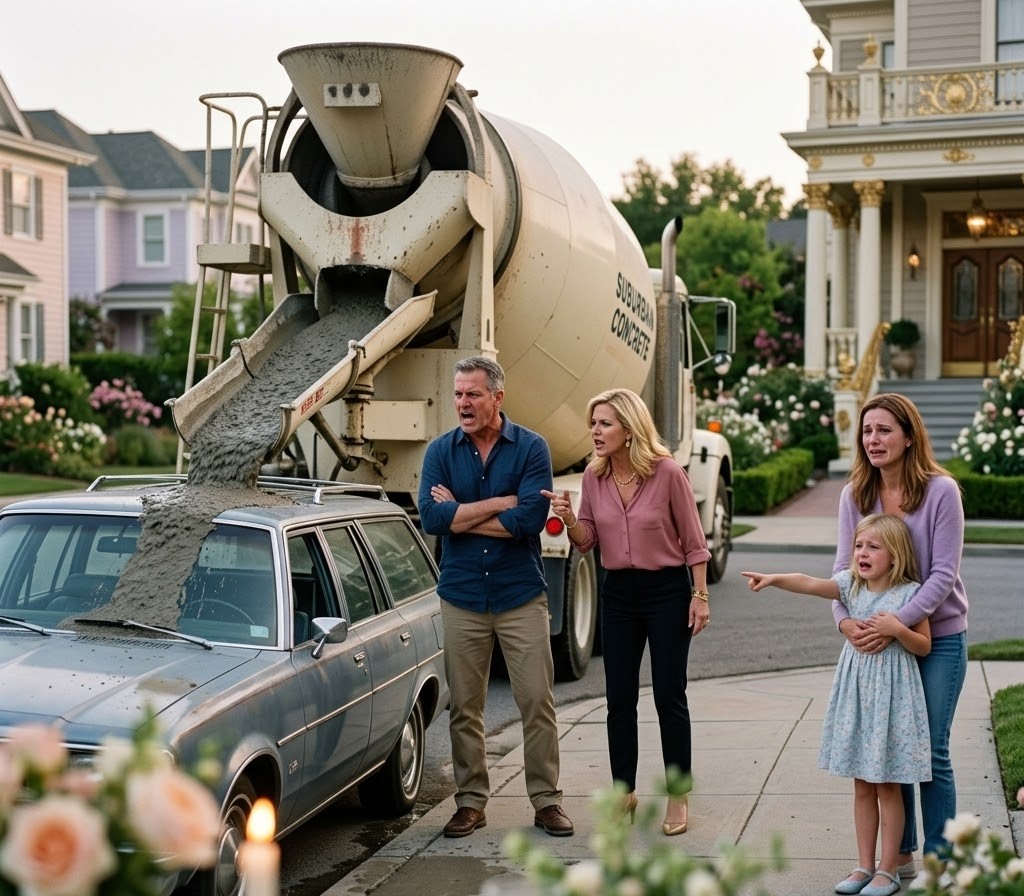
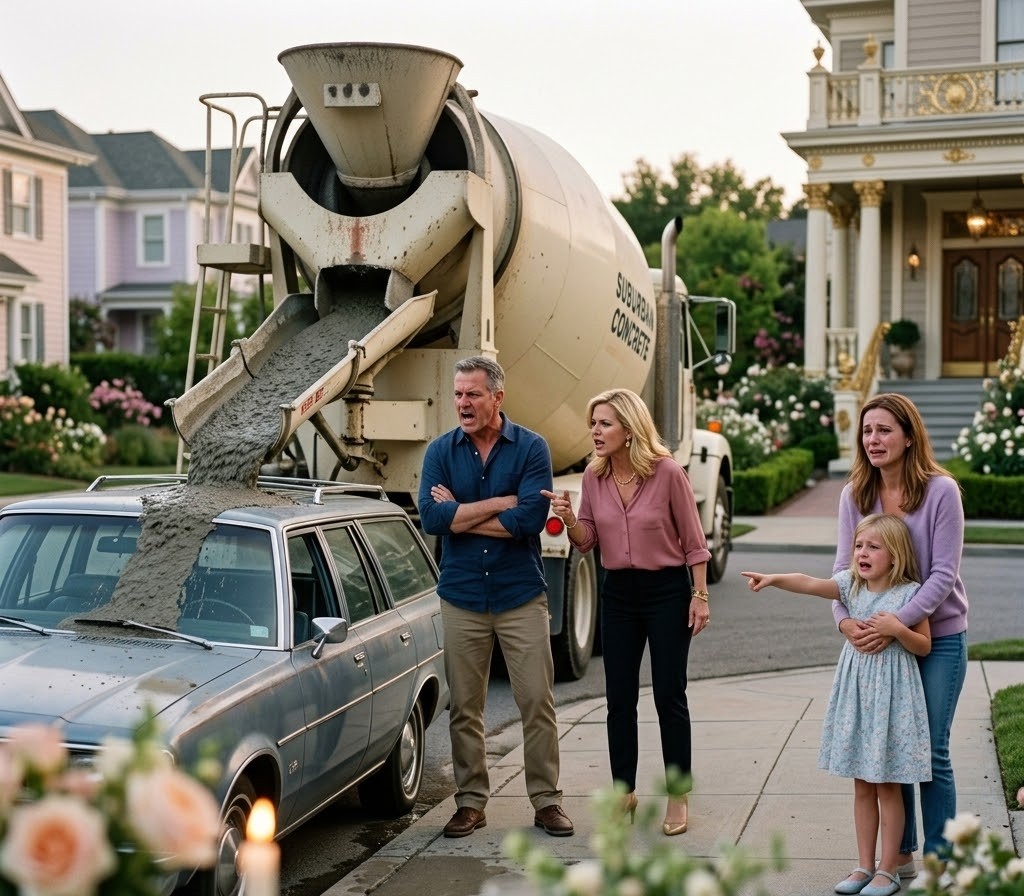
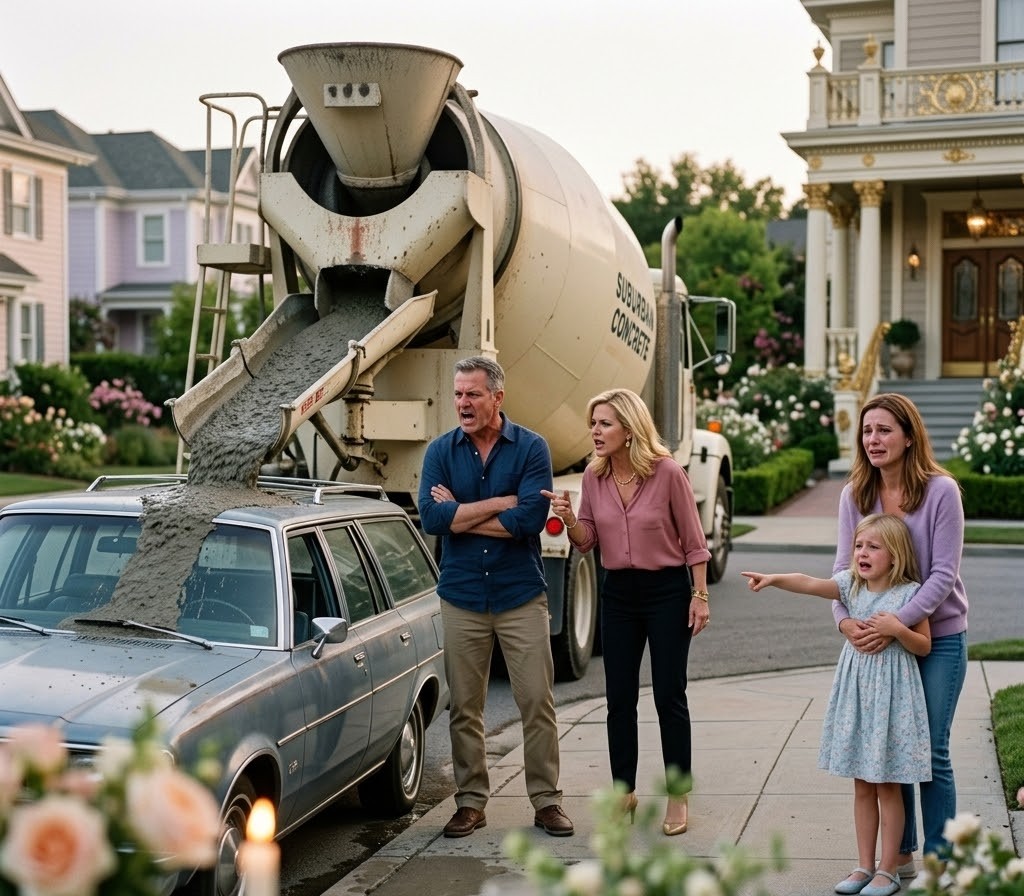
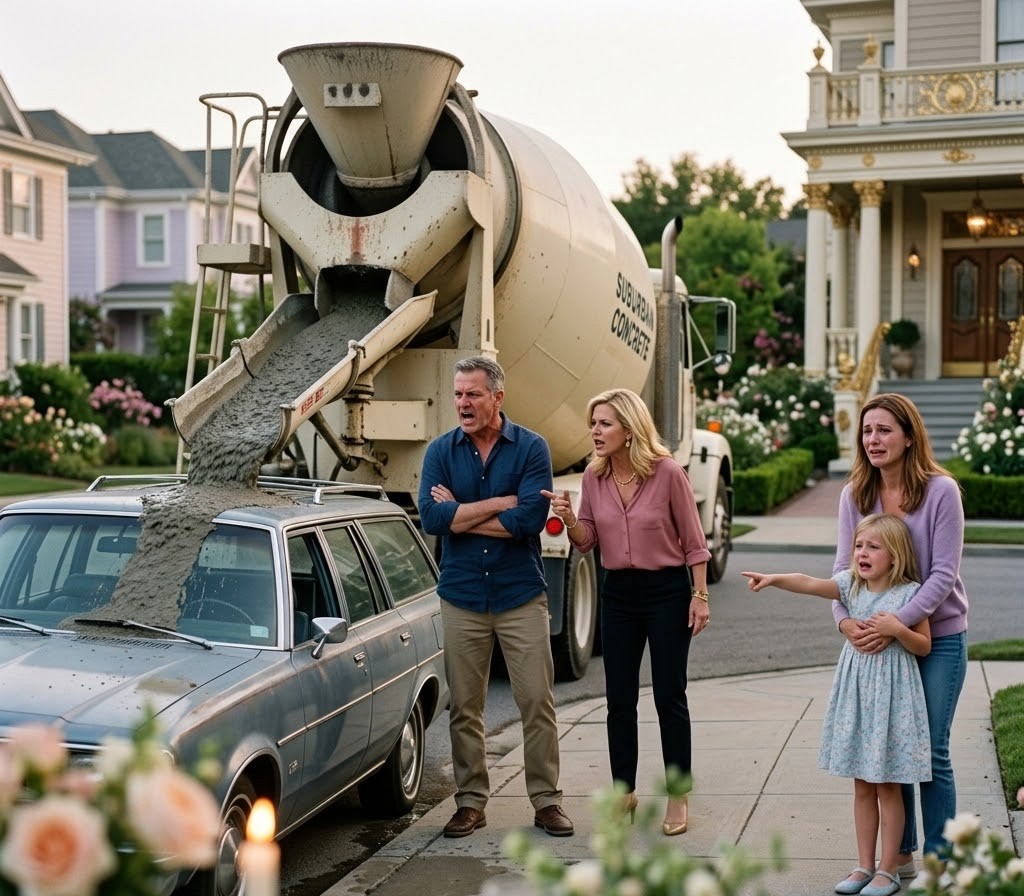
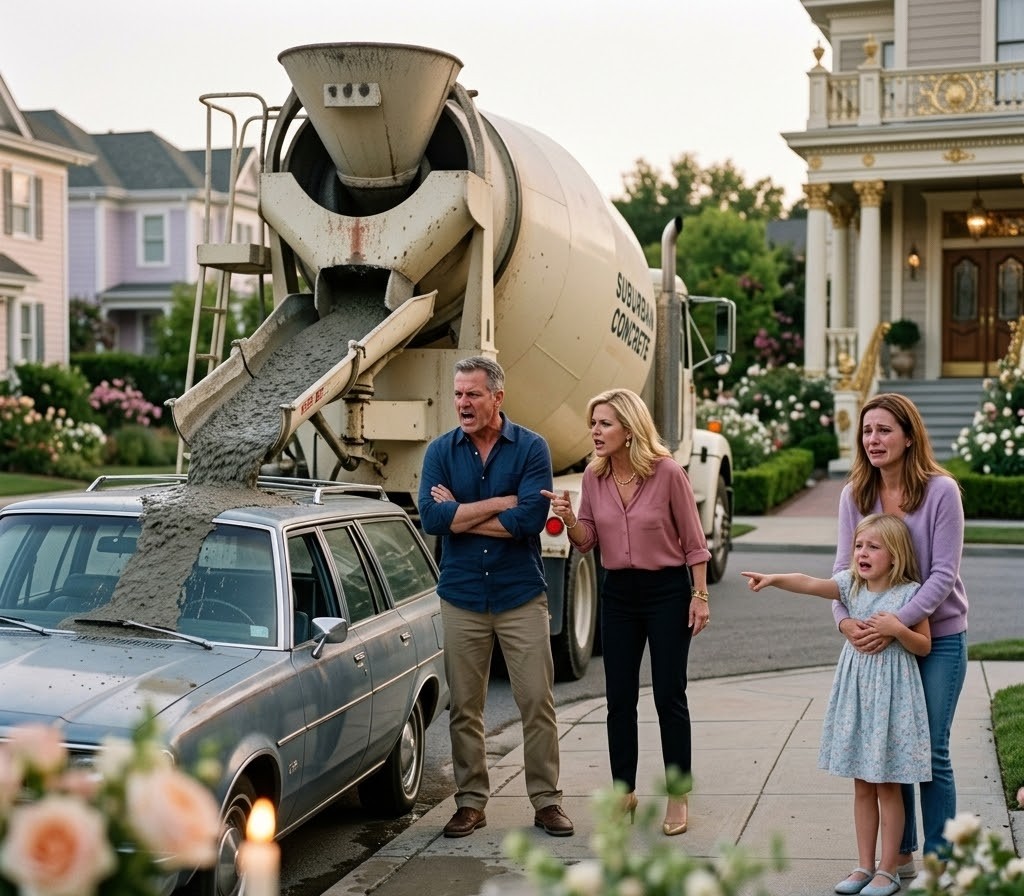
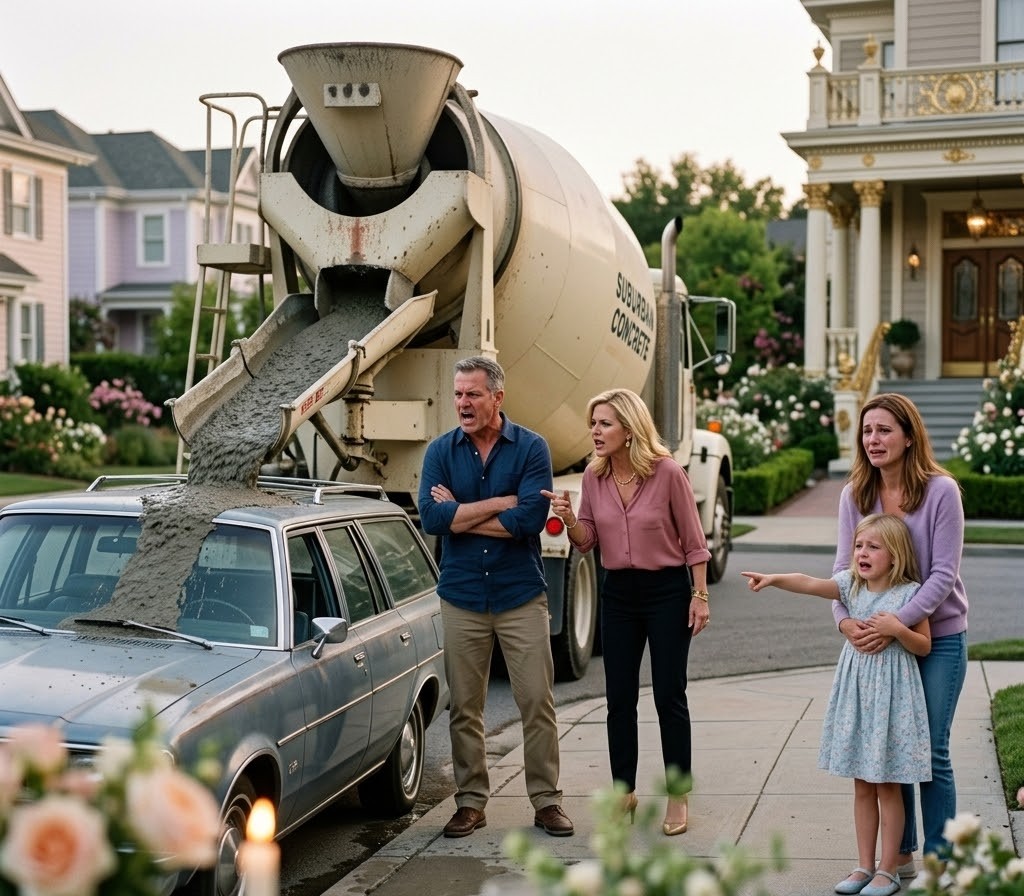
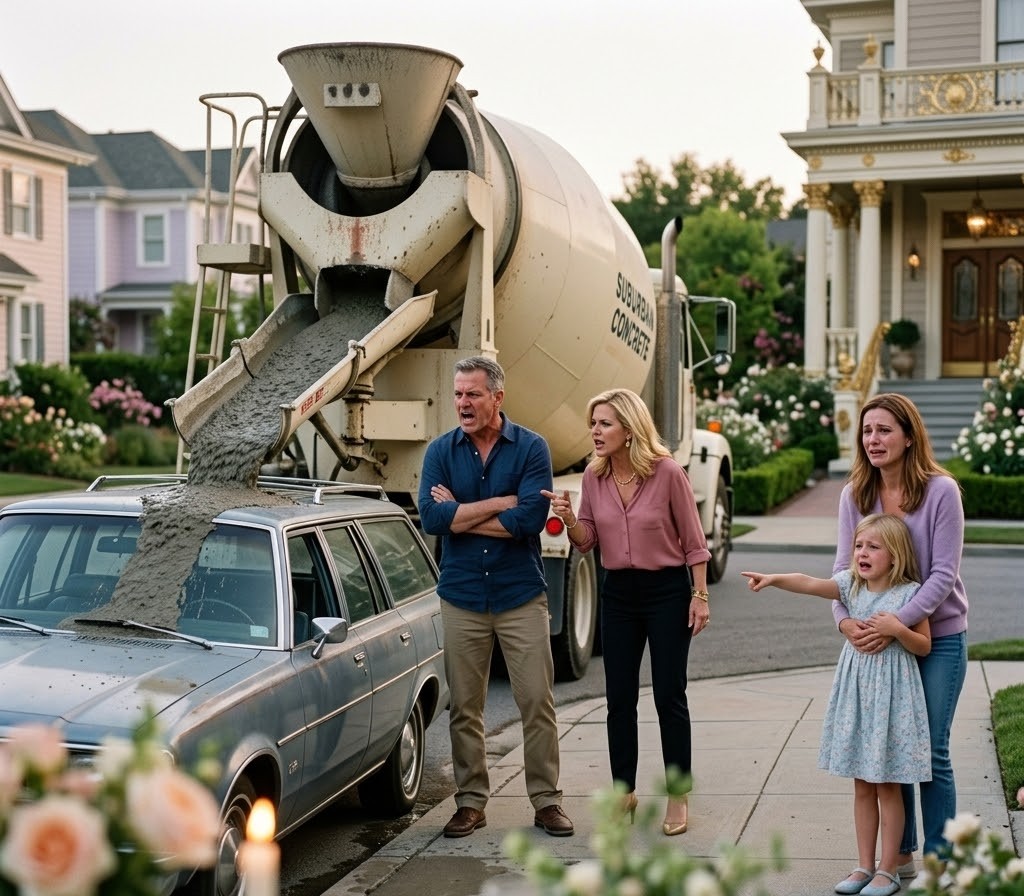
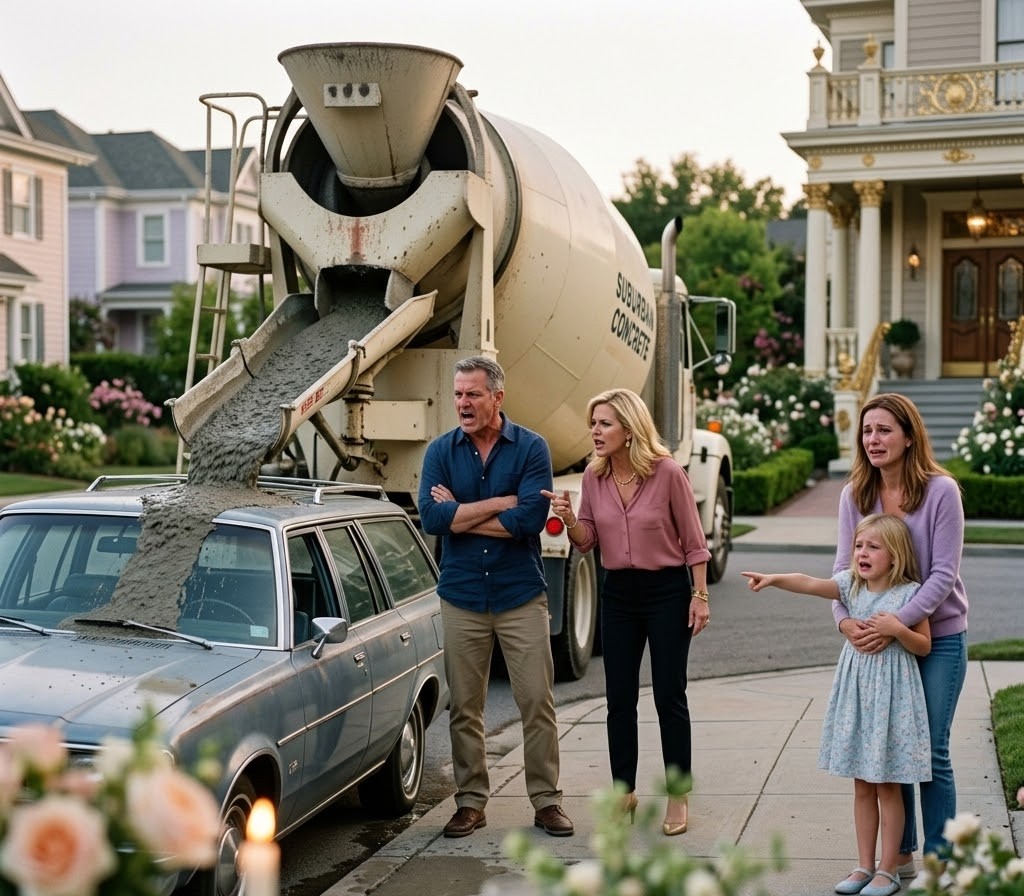
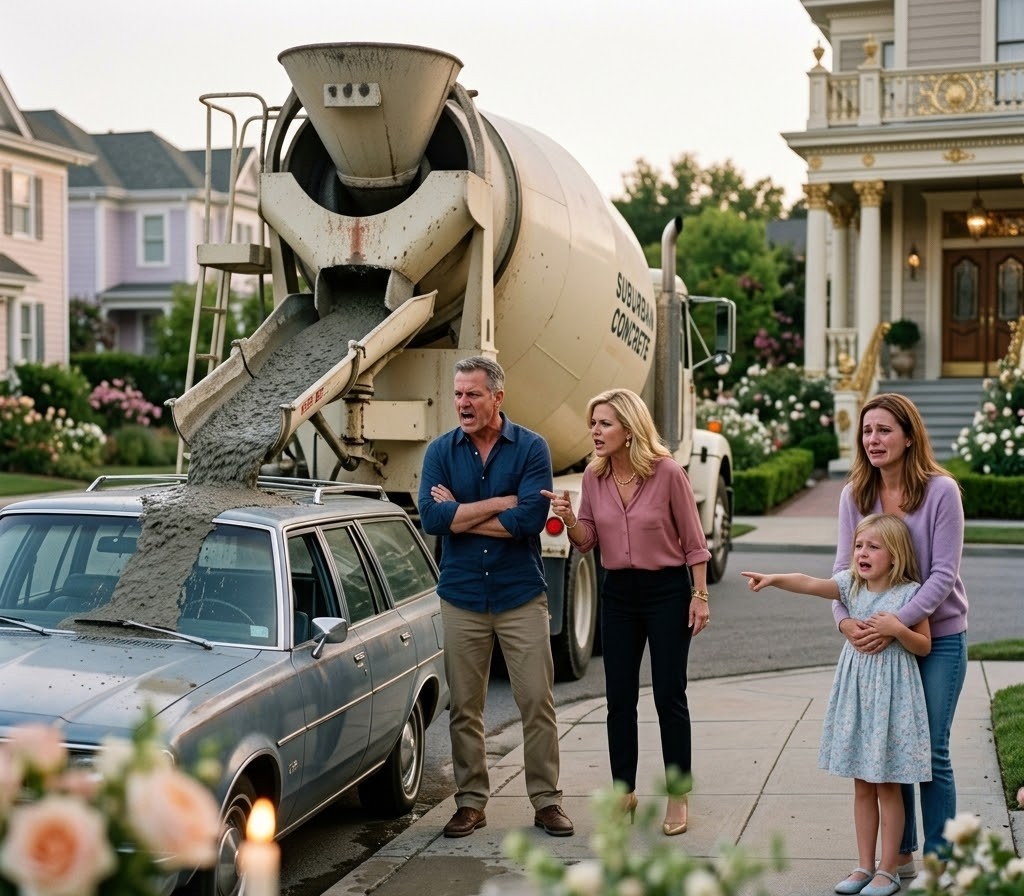
When it was my turn to speak, I walked to the podium, my heart pounding, but my resolve firm. I laid out our case, methodically and calmly. I started with the concreted car, then moved to the telescope and the hidden photograph, connecting Patricia and my father. I detailed George Davies’ eyewitness testimony about Arthur exploiting my father’s “shell shock” for the timber rights. Then, I presented Robert’s discovery of the 1946 ordinance and Arthur’s fraudulent use of Patricia’s deceased father’s veteran status on the land transfer documents.
I spoke for nearly twenty minutes, presenting the evidence clearly, fact by fact. The council members listened, their expressions ranging from polite boredom to slight discomfort. Mayor Thompson shifted in his seat, his smile fading, replaced by a strained look.
When I finished, a heavy silence fell over the room. I looked at their faces, searching for any sign of outrage, any flicker of recognition of the profound injustice I had laid bare.
Mayor Thompson cleared his throat. “Mrs. Caldwell,” he began, his voice surprisingly gentle, “we appreciate you bringing these… concerns to our attention.”
One of the council members, Mr. Davies (no relation to George), spoke up, his tone dismissive. “It seems like a lot of old history, Mrs. Caldwell. These wartime events… they’re difficult to verify after so many years. And personal disputes… the sheriff has already looked into that.”
“But the land transfer is a documented fraud!” I protested, my voice rising in frustration. “Arthur Albright broke the law! And Patricia Albright blackmailed my father!”
Another council member, Mrs. Henderson, whose husband had denied my loan, pursed her lips. “Emotional claims are not sufficient evidence for official action, dear. We need concrete proof, not just old stories.”
“We have concrete proof!” Robert interjected, stepping forward. He held up the copies of the ordinance and the fraudulent deed. “This is a matter of law, not emotion.”
Mayor Thompson held up a hand. “Mr. Caldwell, we respect your enthusiasm, but the council operates on due process. These are serious allegations. While we sympathize with your family’s situation, we find no compelling reason to overturn a decades-old land transfer based on… an elderly man’s recollection and some old papers.”
He looked at me directly, his voice softening, almost patronizingly. “Perhaps this is best handled privately. Between neighbors.”
My blood ran cold. Privately? They were dismissing everything. The personal cruelty, the systemic fraud, the blackmail – it all meant nothing to them. They were not just ignoring the truth; they were actively protecting Arthur Albright. The reason was sickeningly clear.
“We’ve looked into this, Mrs. Caldwell,” Mayor Thompson continued, his eyes flickering towards Arthur Albright’s empty seat, as if seeking an unseen approval. “The Albright family are pillars of this community. They’ve done a great deal for Lakeview. It’s highly unlikely they would be involved in anything of this nature.”
Their dismissal felt like a physical slap. Each council member was deeply indebted to Arthur Albright. Mr. Davies owned a construction company that relied on Albright’s contracts. Mrs. Henderson’s husband worked at the bank. Another councilman ran a local hardware store that Arthur supplied. They were all complicit, bound by their own financial entanglements, too afraid or too compromised to challenge the hand that fed them.
I stared at them, a searing understanding replacing my frustration. Arthur Albright hadn’t just influenced the bank; he owned the town. He had systematically corrupted the very institutions meant to uphold justice, turning them into his personal enablers. My carefully constructed case, my hope for official redress, had been swiftly and brutally crushed. The personal wound of being dismissed, of having my father’s suffering so casually disregarded, made me feel utterly powerless. The system, like the concrete on my car, was hardened and unyielding.
More Stories










+ There are no comments
Add yours