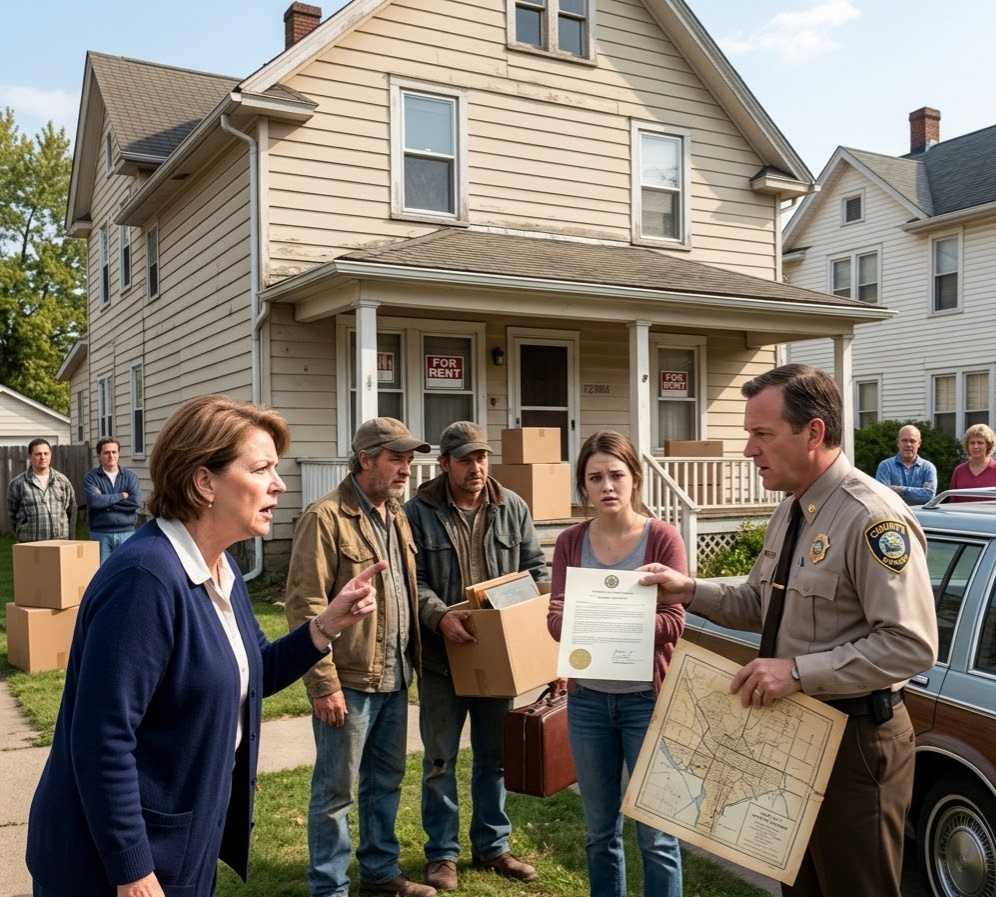
Banished To The Basement By Her Wealthy Mother-In-Law After Bankruptcy, A Young Immigrant Woman Discovers During City Demolition That Her Own Grandfather Held The Original Deed To The Whole Block

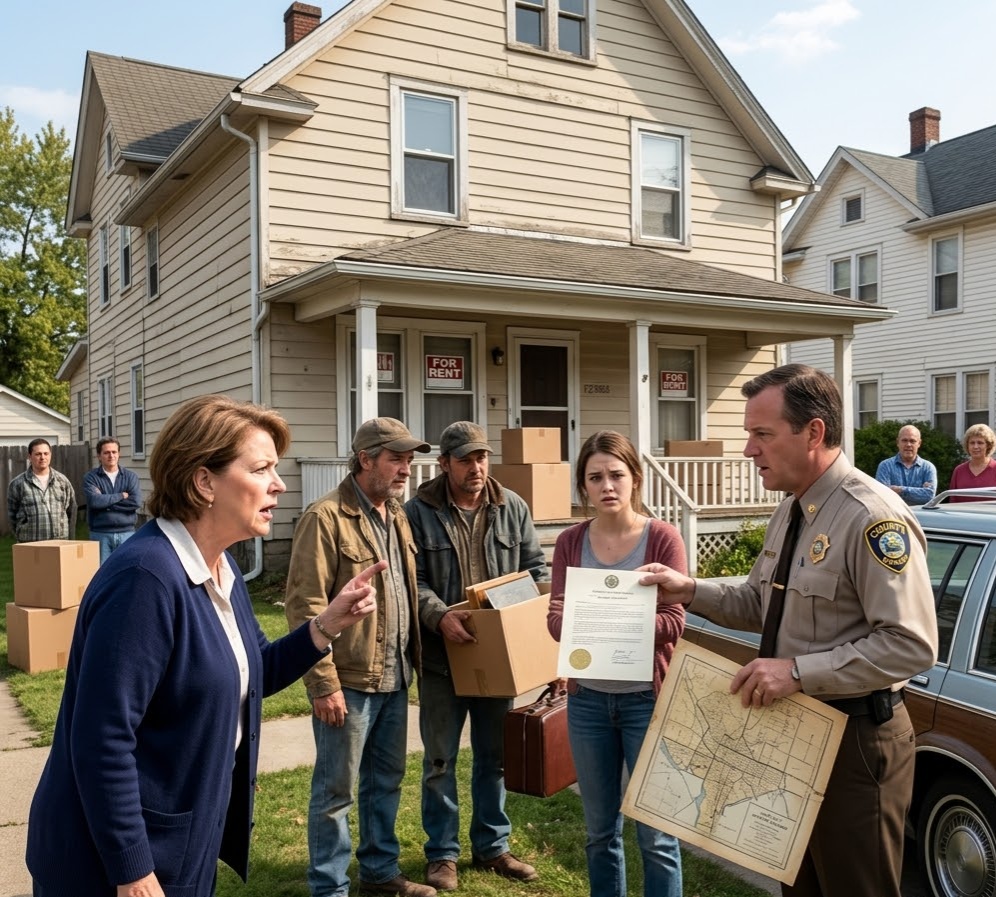

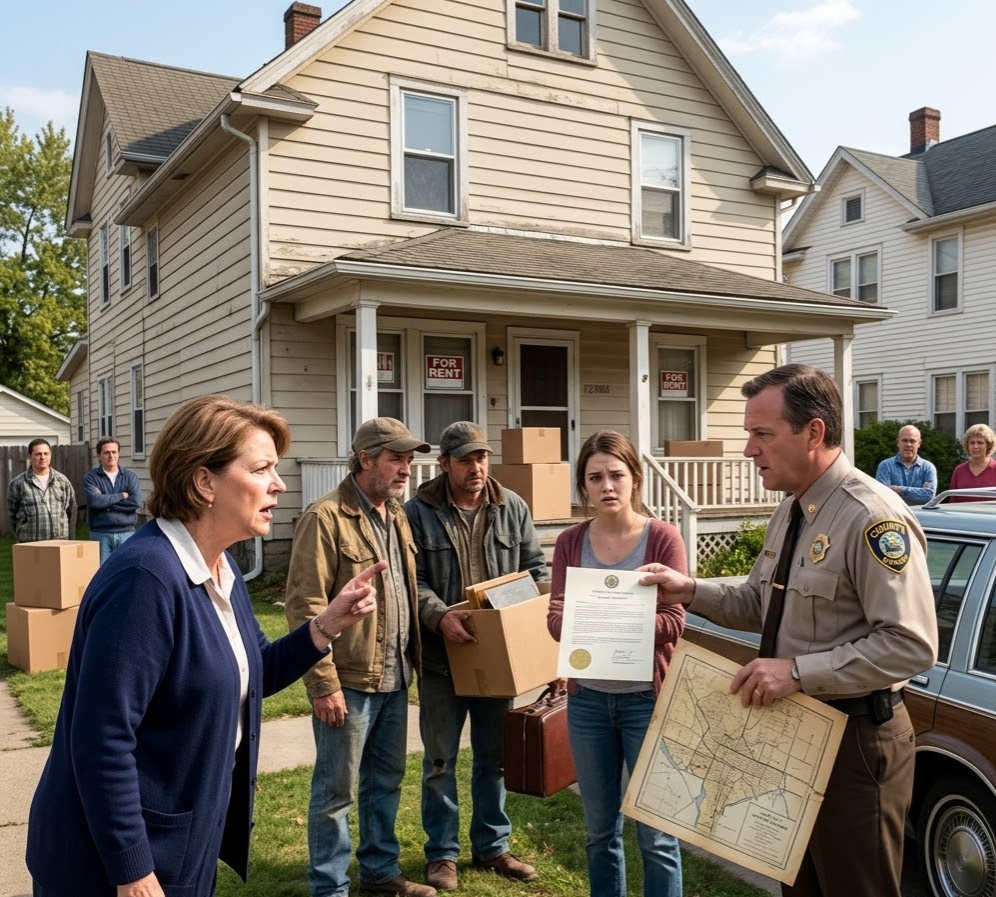


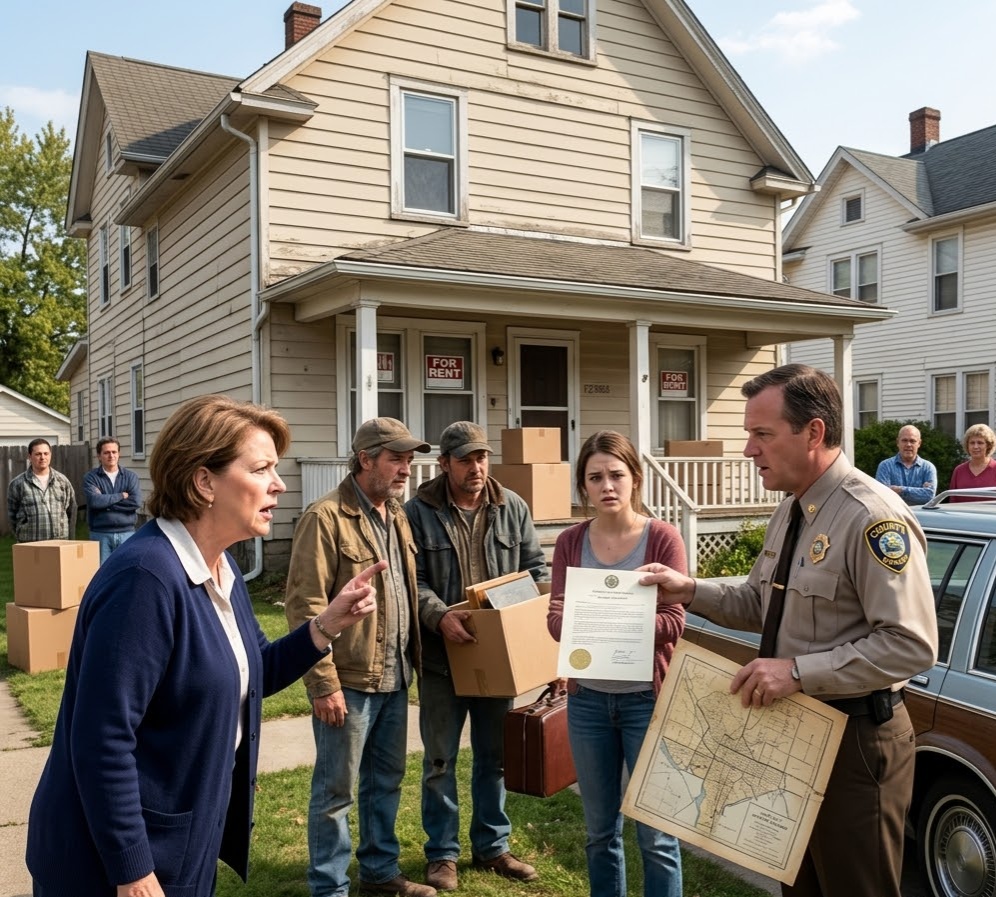
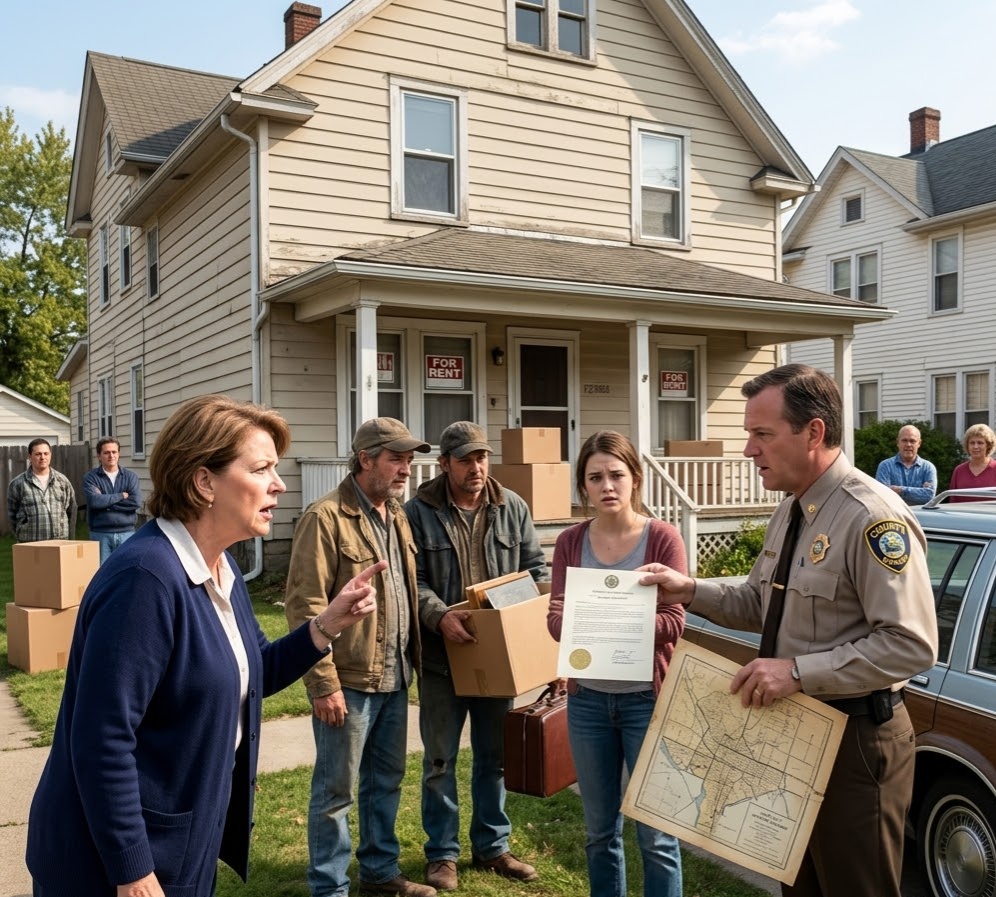
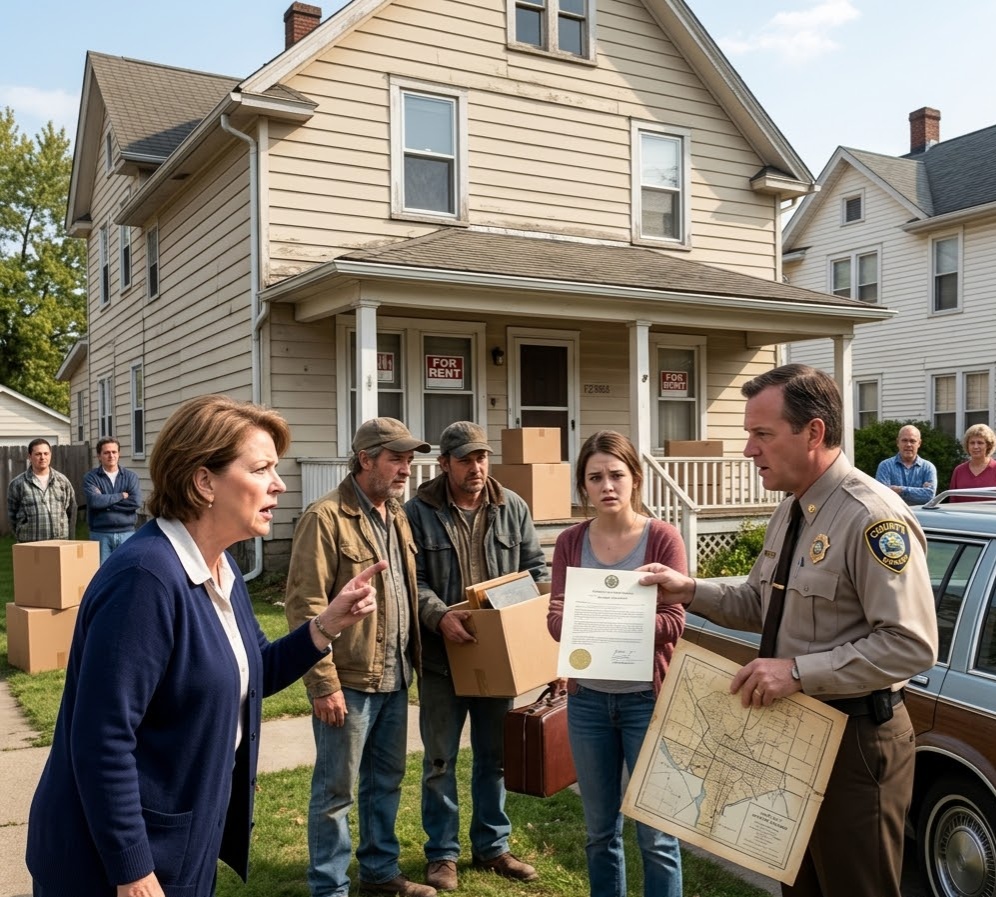

Arthur Pendelton, with his encyclopedic knowledge of San Jose’s land history, became my quiet, determined ally. We spent the next few days not in the archives, but out in the field, literally. He insisted on physically mapping out the old farmstead.
“You can read all the deeds you like,” he’d say, tapping an old surveyor’s map with his pen, “but land tells its own story. Especially when old boundaries were…fluid.”
He had a worn leather satchel filled with antique surveying tools, and a GPS device that looked surprisingly modern tucked into his pocket. We walked the perimeter of what was now Beatrice’s sprawling estate, and the surrounding properties slated for redevelopment. The contrast was stark: neatly manicured lawns and high walls next to forgotten patches of overgrown weeds and chain-link fences.
Arthur found an old, partially buried concrete marker near what would have been the original edge of the property, hidden beneath a gnarled fig tree. He used his GPS to cross-reference it with old aerial photographs and the descriptions in the unrecorded 1974 trust deed.
“See here?” he pointed to a faded line on a laminated map, then to the concrete stub. “This aligns with the southeastern corner described in your grandfather’s deed: ‘running along the old irrigation ditch to the stand of mature sycamores.'”
I looked around. There was no irrigation ditch now, only a culvert, and the sycamores had long been cut down, replaced by a low brick wall. But the marker was undeniable. It was precisely where my grandfather’s deed indicated the land began.
We spent hours measuring, calculating, and comparing. Arthur meticulously laid out his findings. He confirmed that the six-acre plot, a substantial piece of prime San Jose land, encompassing not just Beatrice’s house but several surrounding parcels earmarked for the multi-million dollar city redevelopment, had never been legally transferred out of the Nguyen family trust after the 1975 resettlement period.
“It’s all here,” Arthur said, his voice quiet as we stood in what would have been the middle of my grandfather’s farm. He unfolded a large, new map, meticulously drawn, showing the old boundaries overlaid with current city plans. “Your grandfather, Huong Nguyen, had the original right. He just never completed the final county registration, probably due to the upheaval of the time.”
He pointed to Beatrice’s impressive house, visible just beyond a cluster of mature oak trees. “She built her empire, or at least a significant part of it, right on top of your family’s unrecorded land.”
My mind reeled. Six acres. Multi-million dollars. The sheer audacity of Beatrice, lording her wealth over me, charging me predatory rent for a basement room, all while living on land that by all rights belonged to my family. The betrayal felt like a physical blow.
“But how did she get the tax receipts?” I asked, a tremor in my voice. “She’s been paying property taxes for years, right?”
Arthur frowned, tapping his pen against his chin. “That’s the sixty-four-thousand-dollar question, isn’t it? Someone must have facilitated her being registered as the owner, perhaps overlooking or deliberately ignoring the unrecorded trust deed during a period of less rigorous oversight. Or maybe,” he added, his voice lowering, “someone knew about it and chose to look the other way.”
The implications were staggering. It wasn’t just a simple mistake. It felt like a deliberate act, a calculated erasure of my family’s history and ownership. I thought of Beatrice’s cold disdain, her constant reminders of my financial failures. All of it built on a lie.
More Stories










+ There are no comments
Add yours