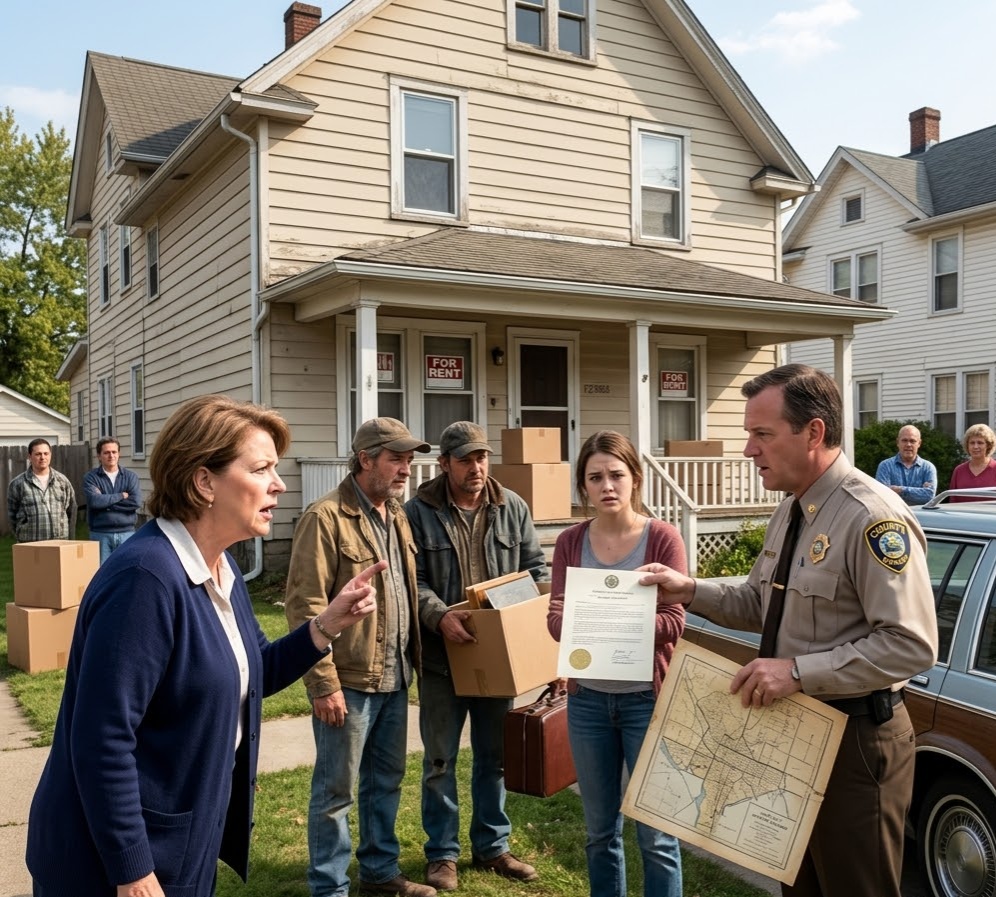
Banished To The Basement By Her Wealthy Mother-In-Law After Bankruptcy, A Young Immigrant Woman Discovers During City Demolition That Her Own Grandfather Held The Original Deed To The Whole Block


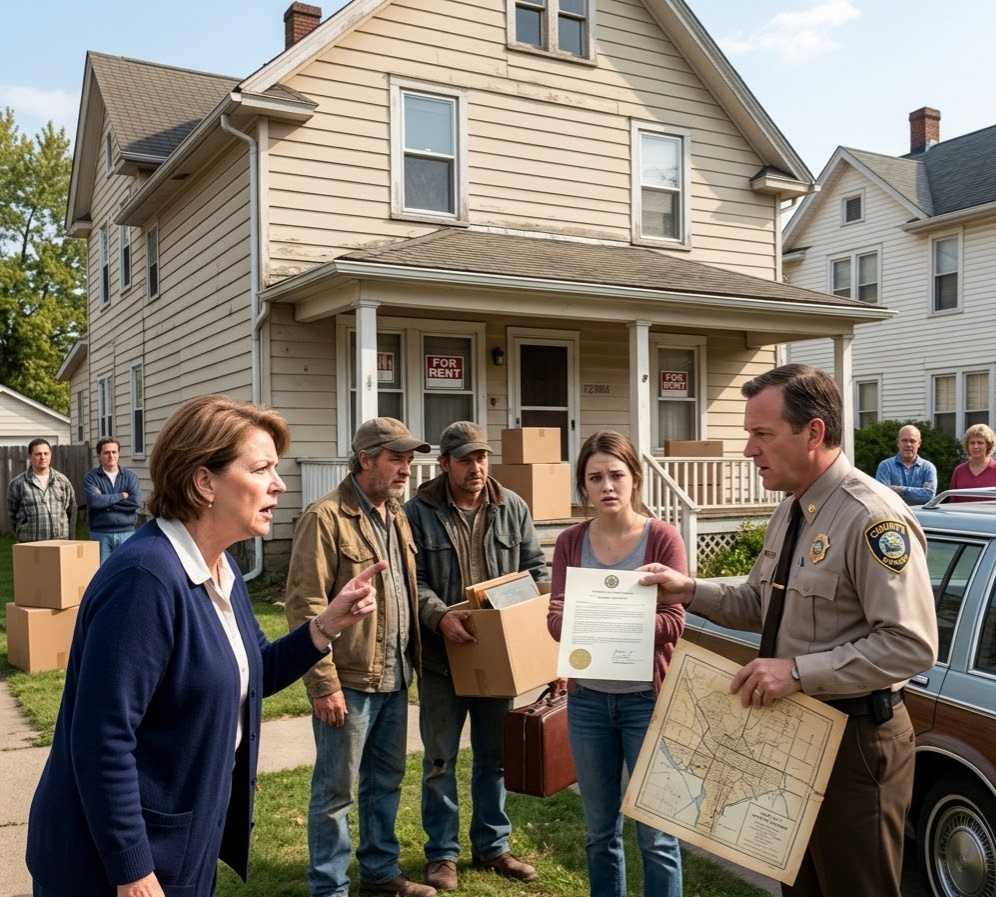
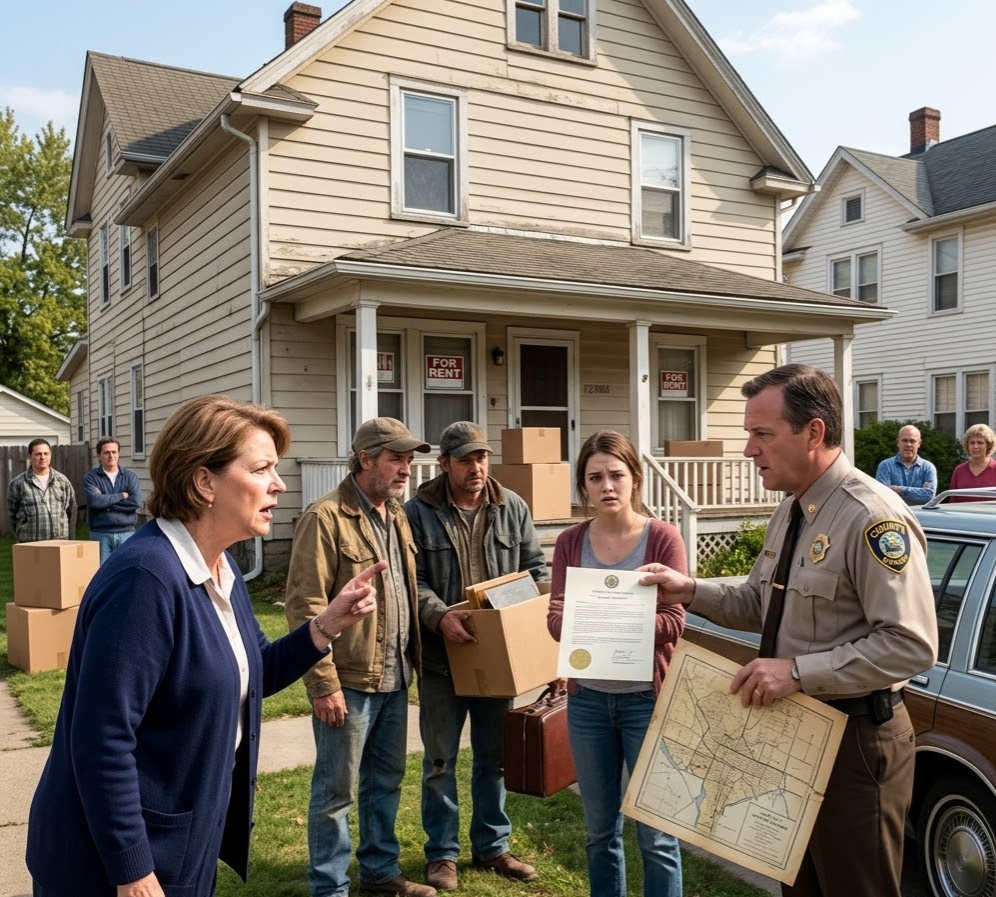


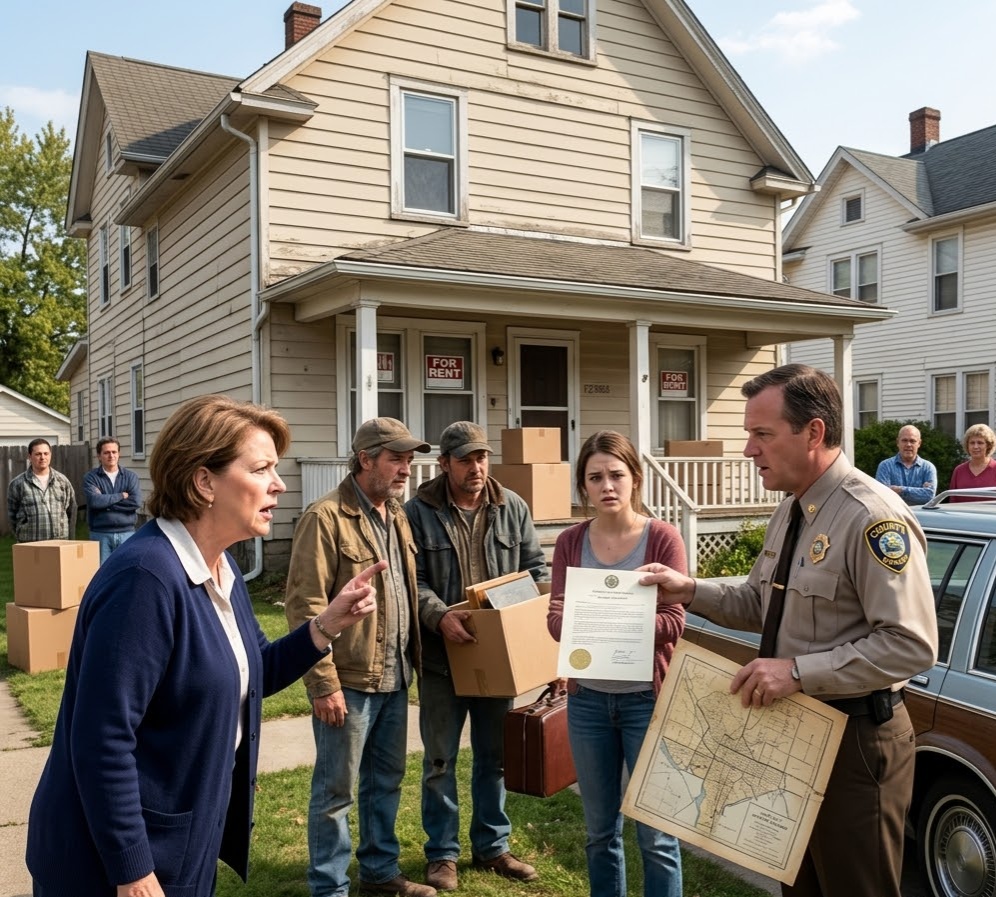
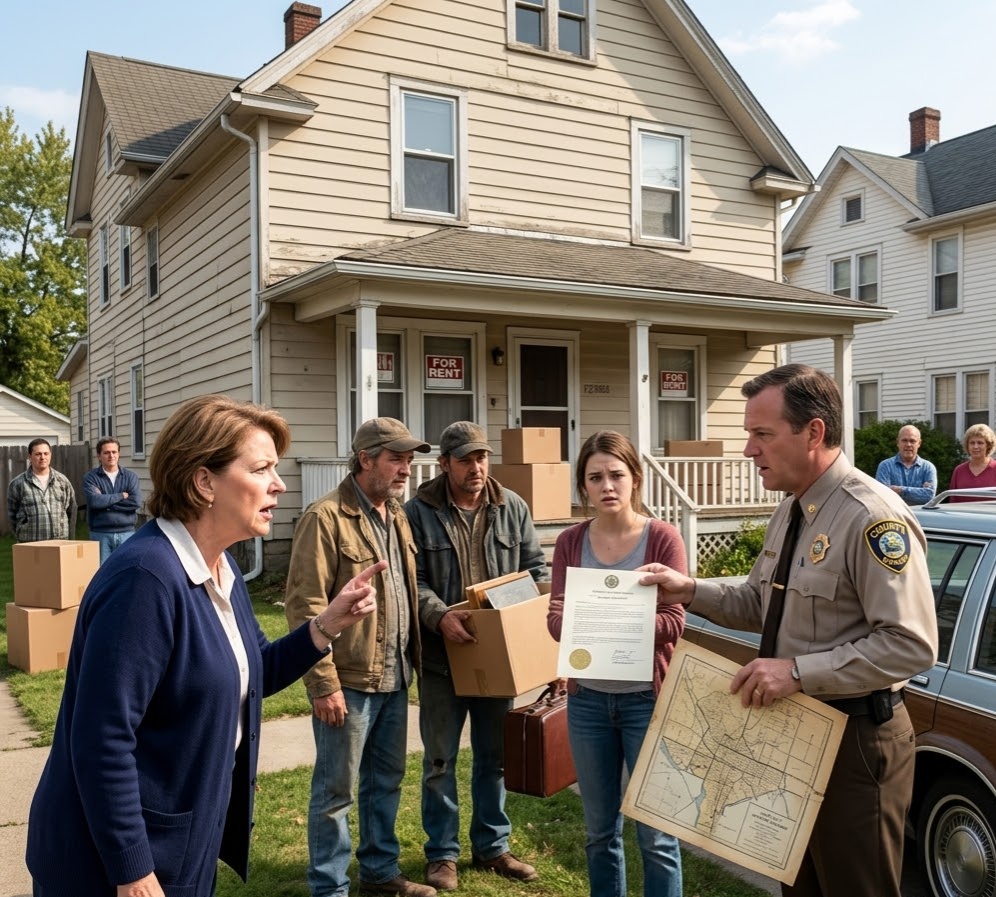

The folded paper felt crisp in my hand, sharp-edged against my palm. Beatrice’s demands for retroactive taxes and immediate payment had been clear, her voice ringing with the finality of a gavel.
I looked at the formal notice again. Forty-eight hours. Pay up or pack up.
But something about the casual way she had tossed the papers on the table, the slight smirk playing on her lips, made my stomach clench. It wasn’t just about the money; it was about her power.
I had spent months rebuilding my life, picking up the pieces of my catering business bankruptcy. Living in her basement apartment, paying her exorbitant cash rent, had been my compromise, my temporary humility.
But signing a document that tacked on three months of back taxes, retrospectively, for land that was about to be seized by eminent domain? It was a step too far.
It smelled wrong. Like a trap, or a desperate grab for every last cent before the city’s buyout.
I wouldn’t sign it. Not without knowing exactly what I was agreeing to, or rather, rejecting.
My hands trembled slightly, but it wasn’t fear. It was a cold resolve that had been absent for too long.
I grabbed my car keys, the legal notice, and a handful of crumpled cash from my small purse. The Santa Clara County archives might be dusty and slow, but they were public.
No more blind agreements. No more bowing to Beatrice’s imperious will.
The afternoon sun was already high when I drove towards the downtown building. The outside was imposing, gray concrete and frosted windows, but inside, the air was surprisingly still, hushed by rows of file cabinets and the quiet rustle of old paper.
I approached the counter, the smell of aged documents and floor wax thick in the air. A woman with reading glasses perched on her nose looked up.
“I need to verify a municipal redevelopment claim,” I said, trying to keep my voice steady. “And check some property records.”
She gestured towards a bank of old microfiche readers and a shelf lined with heavy, leather-bound books. “All public records are available for self-service. If you have the parcel number, that’s where you start.”
I nodded, clutching the papers. My stomach still churned with anxiety, but a different kind now. It was the anxiety of the unknown, but also the thrill of taking action, of trying to find my own truth.
This wasn’t just about saving money anymore. It was about standing up, on my own two feet, for what felt undeniably right.
More Stories










+ There are no comments
Add yours