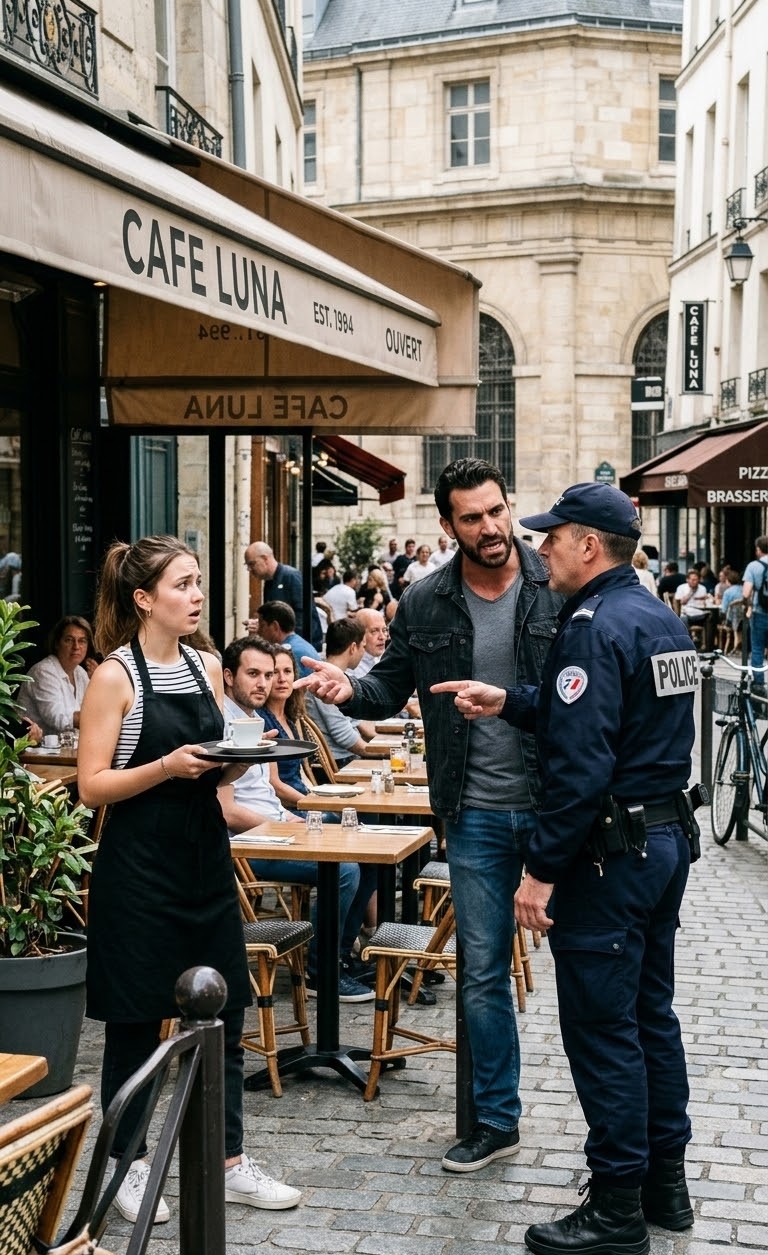
Un vecino racista intentó destruir el restaurante de mi familia, pero un secreto de su campaña lo detuvo.


The following month, the diner buzzed with its usual lunchtime chatter, the aroma of pupusas and roasting coffee filling the air. Elena, though still cautious, moved with a renewed lightness in her step. Councilman Jenkins, under the spotlight of his “comprehensive review,” had been making public appearances, projecting an image of proactive reform, often emphasizing his commitment to “legacy businesses” and “community heritage.” It was all a performance, of course, a delicate dance to salvage his reputation, but for now, it served its purpose. Harrison’s Main Street Redevelopment project remained on hold, stalled indefinitely by the new scrutiny.
I watched a family laugh over their meals, the familiar rhythm of the diner a comfort. We had won a crucial battle. But Marco’s words, “Men like Harrison don’t forget,” had settled deep within me.
My phone vibrated. It was Sofia.
“Hey,” she said, her voice tight, a familiar edge of worry in it. “Just got off the phone with Mr. Kim from the dry cleaner’s. He heard some chatter.”
“About what?” I asked, my grip on the phone tightening.
“Harrison’s associates,” she replied. “Apparently, they’ve started ‘consulting’ with local planning commissions in the neighborhood adjacent to ours. The one down by the old factory district.”
My mind immediately conjured the image of Harrison’s architectural rendering, the sleek glass towers that would have replaced our street. He was simply moving his chess pieces to another board.
“New developments?” I asked, already knowing the answer.
“Likely luxury residential,” Sofia confirmed. “They’re still pushing for the same kind of ‘revitalization,’ just shifted focus. It’s a clear signal, Mateo. He hasn’t given up. He’s just regrouped.”
A sigh escaped me. The temporary reprieve, the fragile peace, had always felt exactly that: temporary.
“Keep an eye on it,” I told her, my voice weary but firm. “Let me know what you find.”
“Always,” she promised, and then she hung up.
I put my phone down on the counter. The fight was indeed continuing, just out of our immediate sight, regrouping, evolving. Harrison was like a persistent storm, momentarily diverted, but never truly gone. He would keep pushing, keep finding new avenues for his ambition, new communities to target.
I walked over to the counter and picked up a damp cloth, methodically wiping down the polished surface, clearing away invisible crumbs. The wood was cool under my hand. The diner was still here. Our traditions were still alive. But the battle for our space, for our identity, for our very right to exist in this changing world, that fight would never truly end.
More Stories
















+ There are no comments
Add yours