
While I was at the Capitol finalizing my congressional committee report, my son-in-law Julian moved his entire staff, my daughter, and my grandchildren toward my mountain retreat in the Blue Ridge...
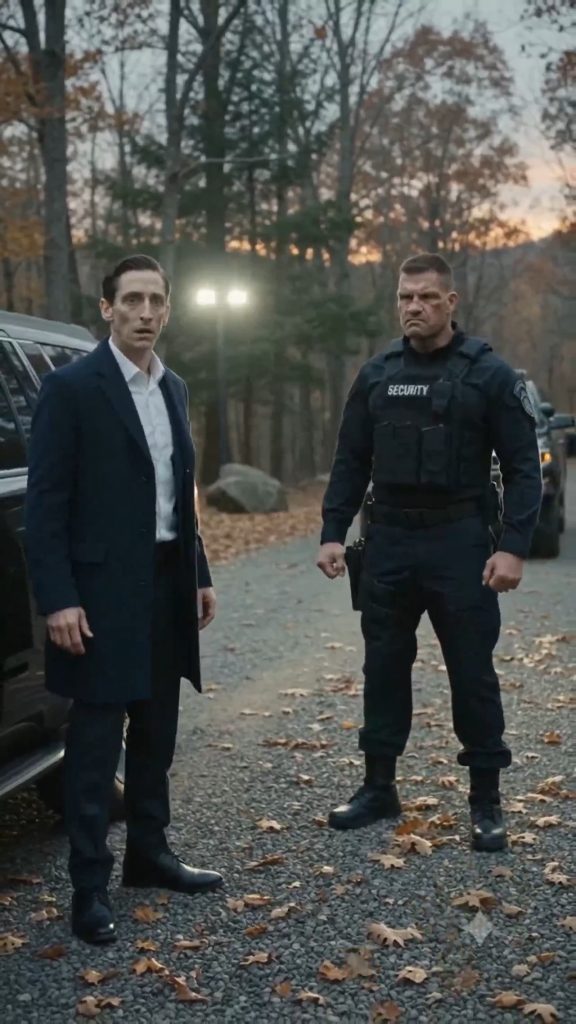
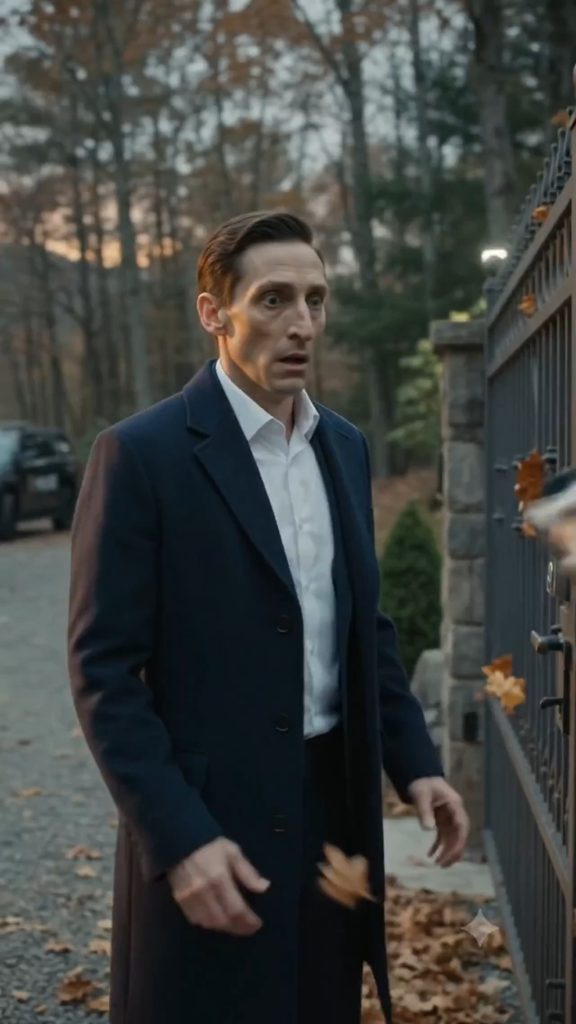


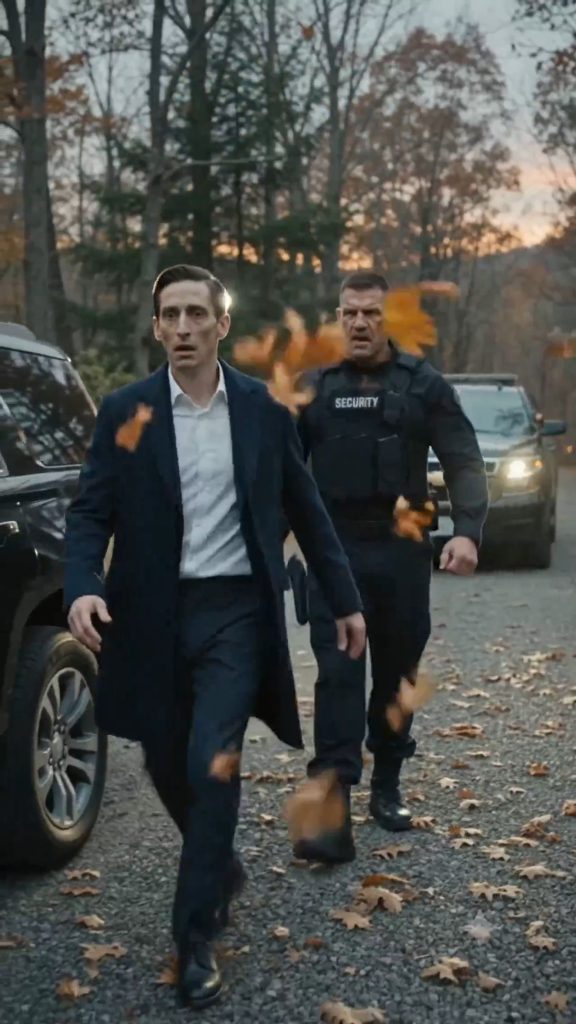
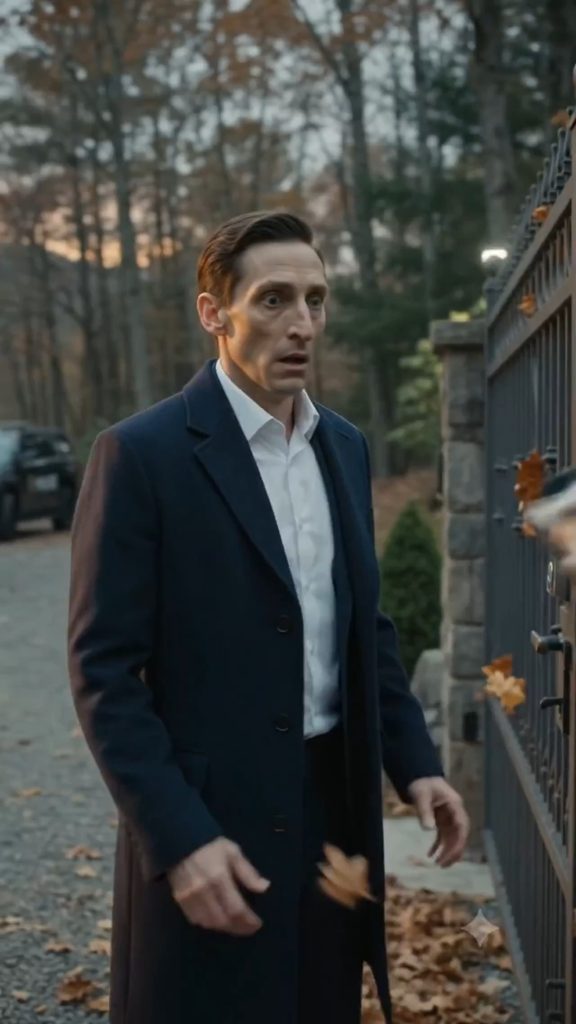

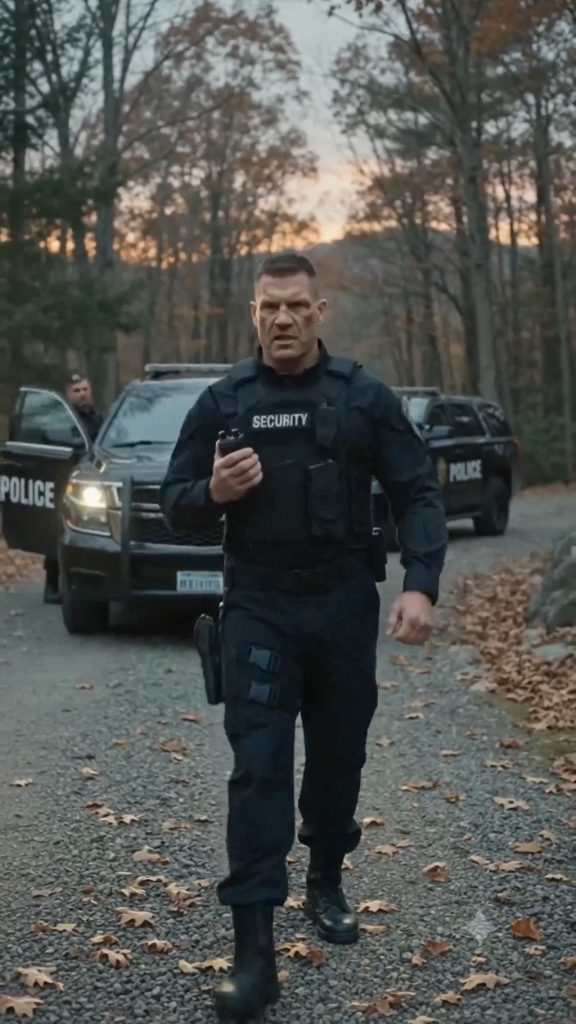


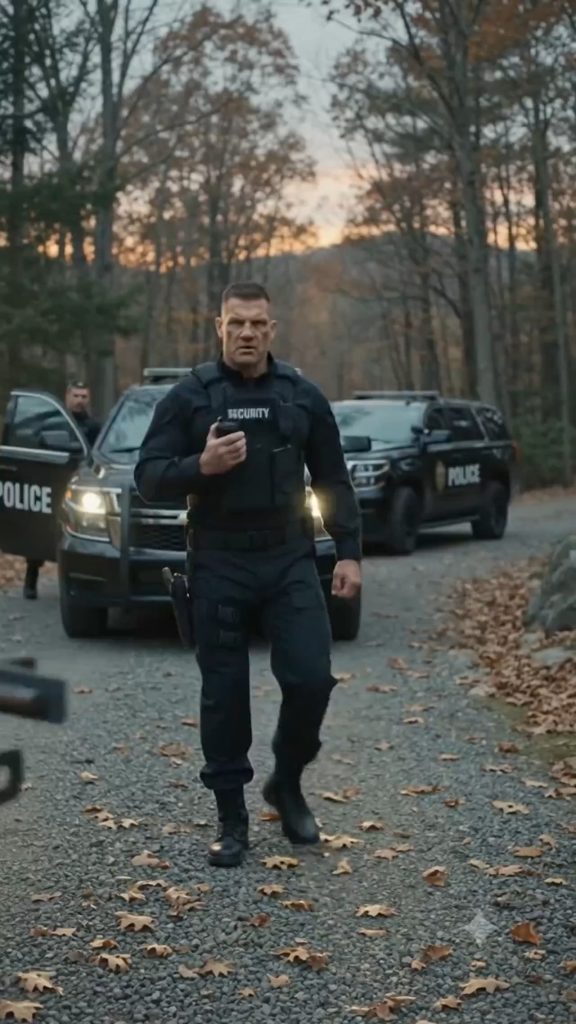

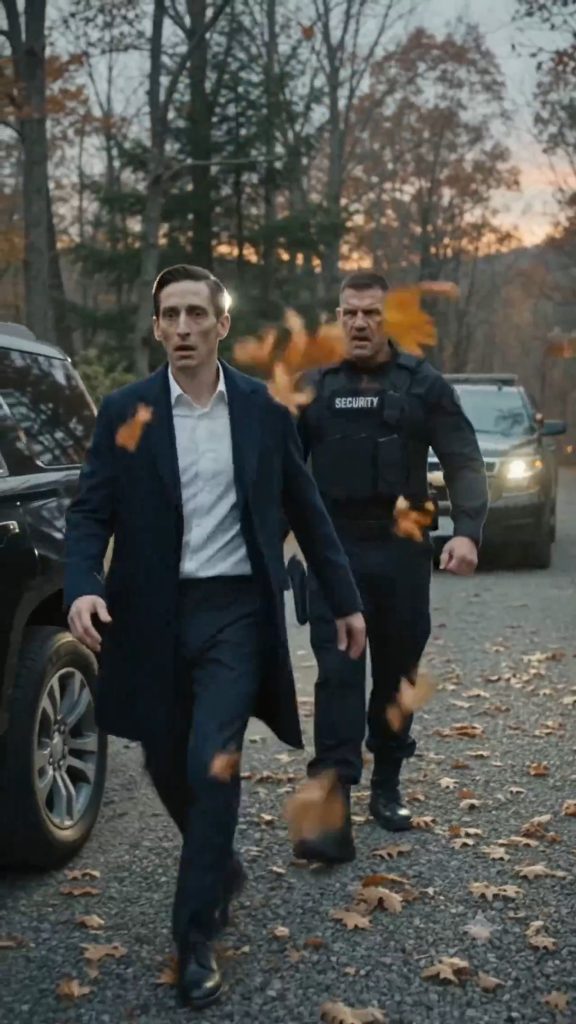
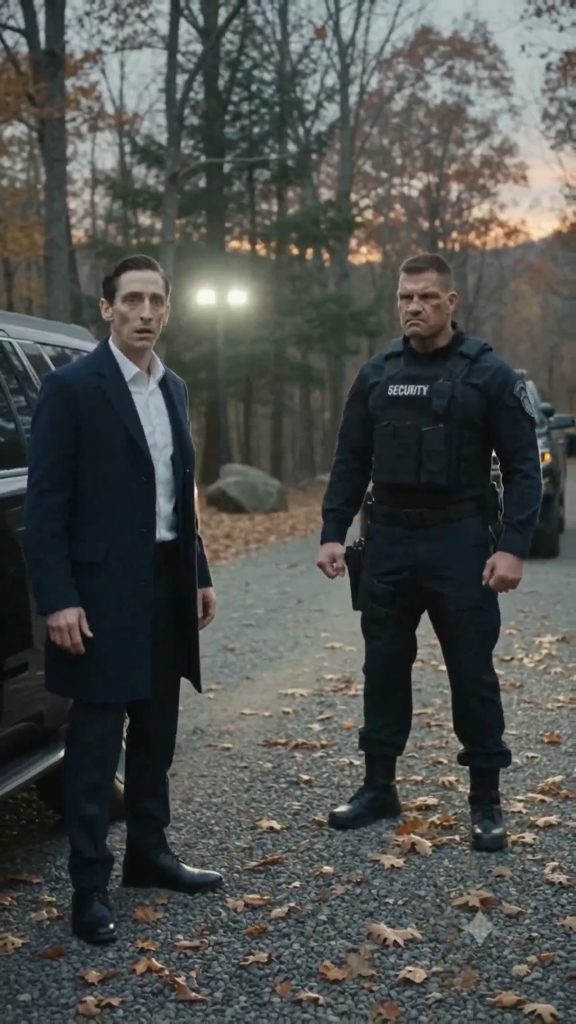

Julian’s desperate attempts to breach the generator shed were futile, each clang of metal against steel echoing his growing panic. The storm raged, his team was soaked, and their high-tech operation was paralyzed.
In the relative quiet of my secondary cabin, illuminated by the soft glow of a battery-powered lantern, Aunt Maeve moved with a surprising sense of purpose.
She had heard the commotion outside, the frustrated shouts carried by the wind. Her eyes, usually so gentle, were now sharp with determination.
“He won’t get in there,” she declared, almost to herself. “Not while these are still here.”
She walked to an old, leather-bound trunk tucked away in the corner. Its surface was scarred with age, its brass clasps tarnished green. With a surprising amount of strength, she popped open the lid.
Inside, nestled beneath layers of antique lace and fabric, she retrieved a thick, rolled-up document, tied with a faded red ribbon.
“This,” she announced, carefully unrolling it on the small table, “is even more important than the federal survey.”
It was an original 1978 land covenant. Its ornate script detailed a specific agreement between the Kincaid family and the State of Virginia.
“The main lodge basement,” Aunt Maeve pointed, her finger tracing a specific paragraph, “was formally designated as an auxiliary holding facility for state legislative files. For archival purposes.”
My eyes scanned the document. “Protected state legislative archives? From my early political career?”
“Precisely,” she confirmed, a satisfied nod. “Your first term, before the state built the new central repository. They needed a secure, remote location for certain sensitive documents. This place was perfect.”
The covenant explicitly stated that the basement, specifically, housed official state property. Any unauthorized entry, any damage, any attempt to tamper with the contents, would constitute a state felony.
Julian’s plan to install offshore servers there wasn’t just a federal crime anymore; it was now also a direct attack on state sovereignty, protected by a decades-old, legally binding covenant.
This wasn’t just my property he was trying to seize. He was attempting to commandeer a secure state archive, making his actions a matter for multiple jurisdictions and far more severe charges. The stakes had just multiplied exponentially.
More Stories










+ There are no comments
Add yours