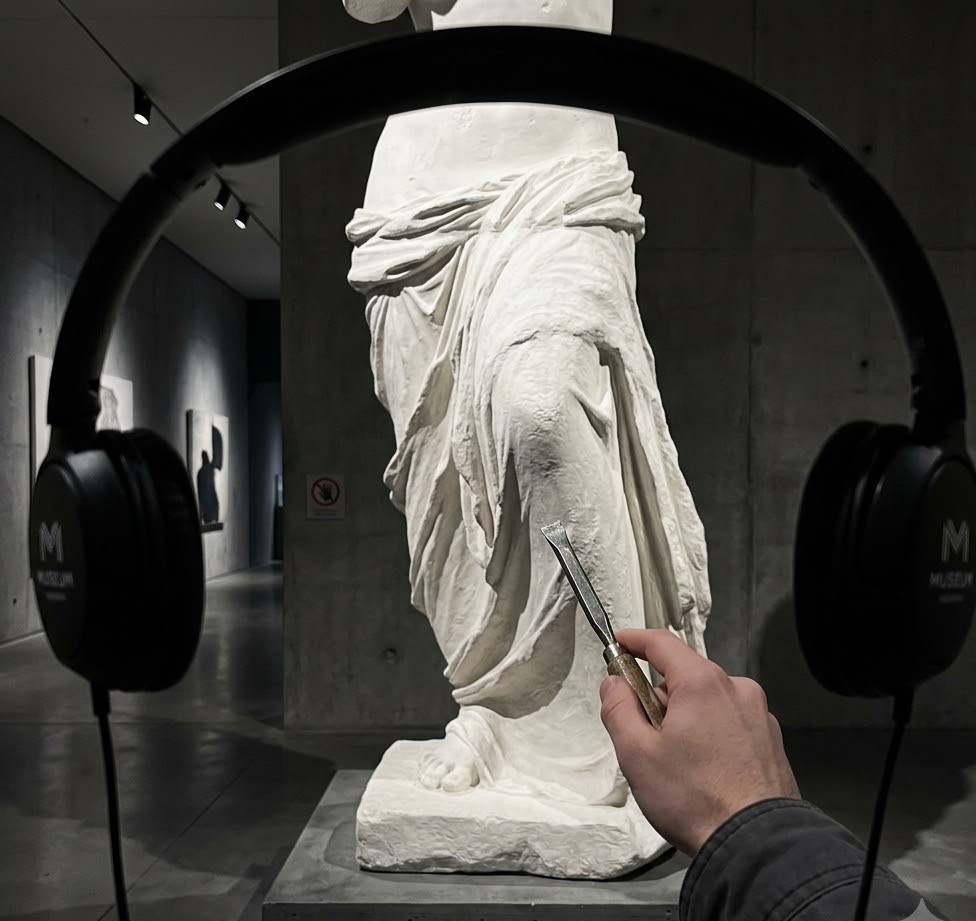
Hearing Trapped Cries Inside Her Husband's Public Statue, She Uncovers a Fatal Political Secret




Part 1
Instead of ambient art soundscapes, her trained acoustic ears picked up raspy breathing, human vocal tremors, and rhythmic, desperate fingernail scratching against plaster from deep inside the hollow core.
The statue had been commissioned and personally dedicated that morning by her husband, Lieutenant Governor Julian Kincaid, who was launching his campaign for the U.S. Senate.
When Maya tried to alert security, Julian cut off the gallery power, pulled her into a back corridor, and insisted she was having a stress-induced psychotic episode.
She realized then that her husband did not just know what was inside the sculpture—he had helped put it there.
The grand atrium of the Seattle Civic Cultural Center buzzed with the low hum of hundreds of conversations. Crystal chandeliers sparkled overhead, casting a warm glow on polished marble floors. Waiters in crisp black uniforms weaved through the crowd, offering champagne flutes and small, artistic canapés.
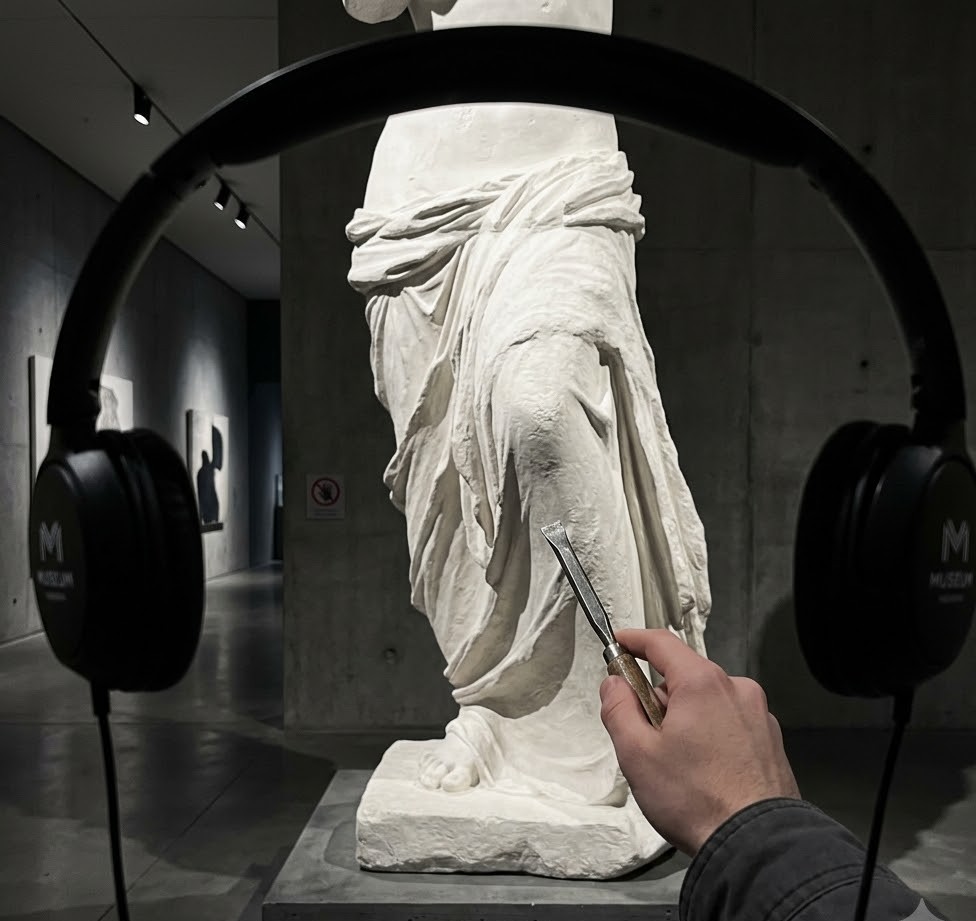
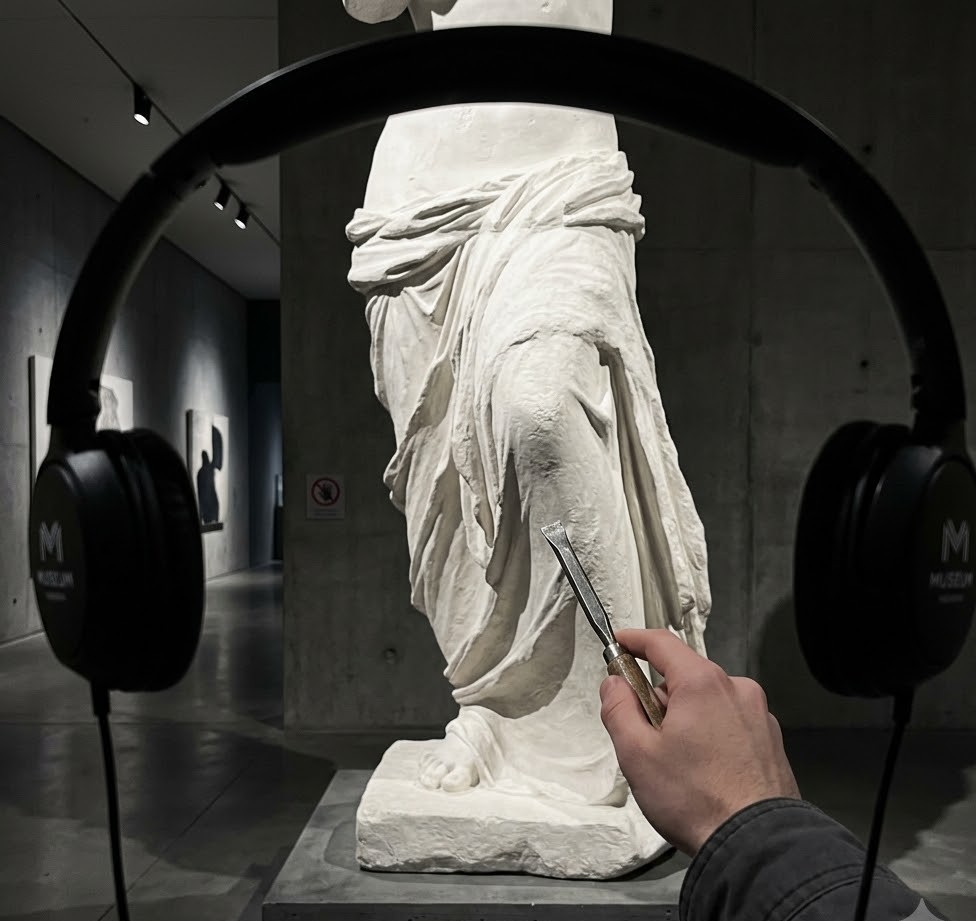
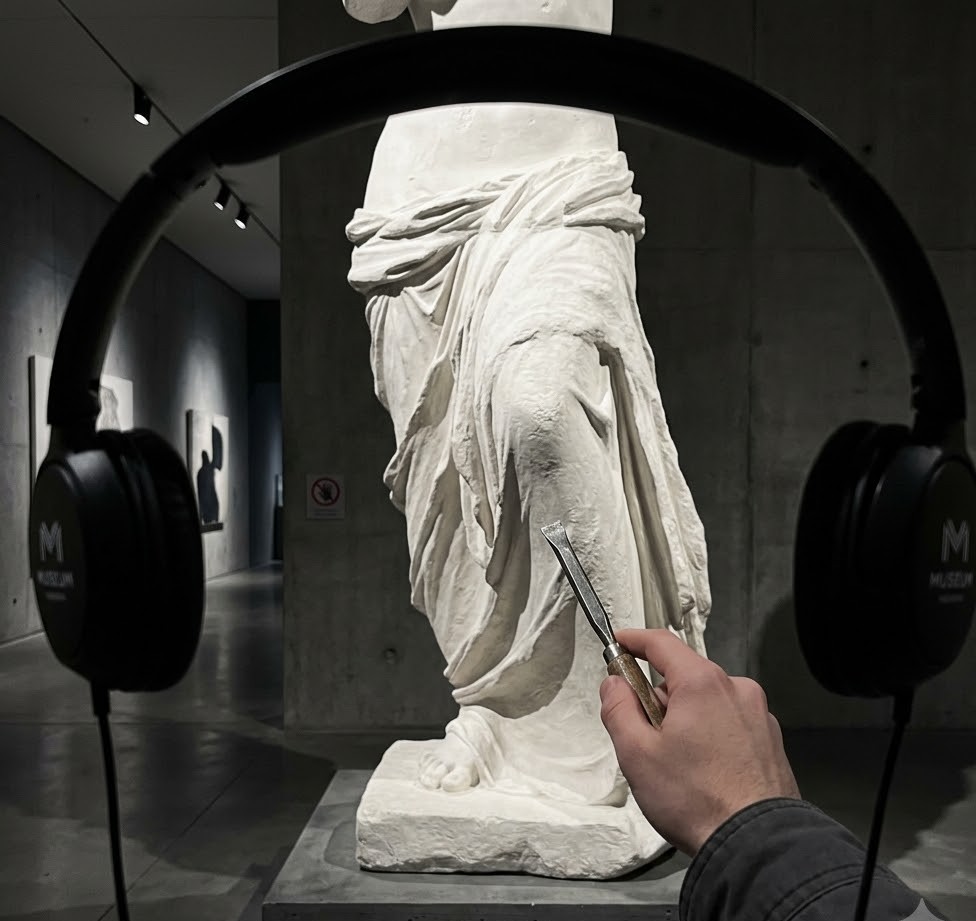
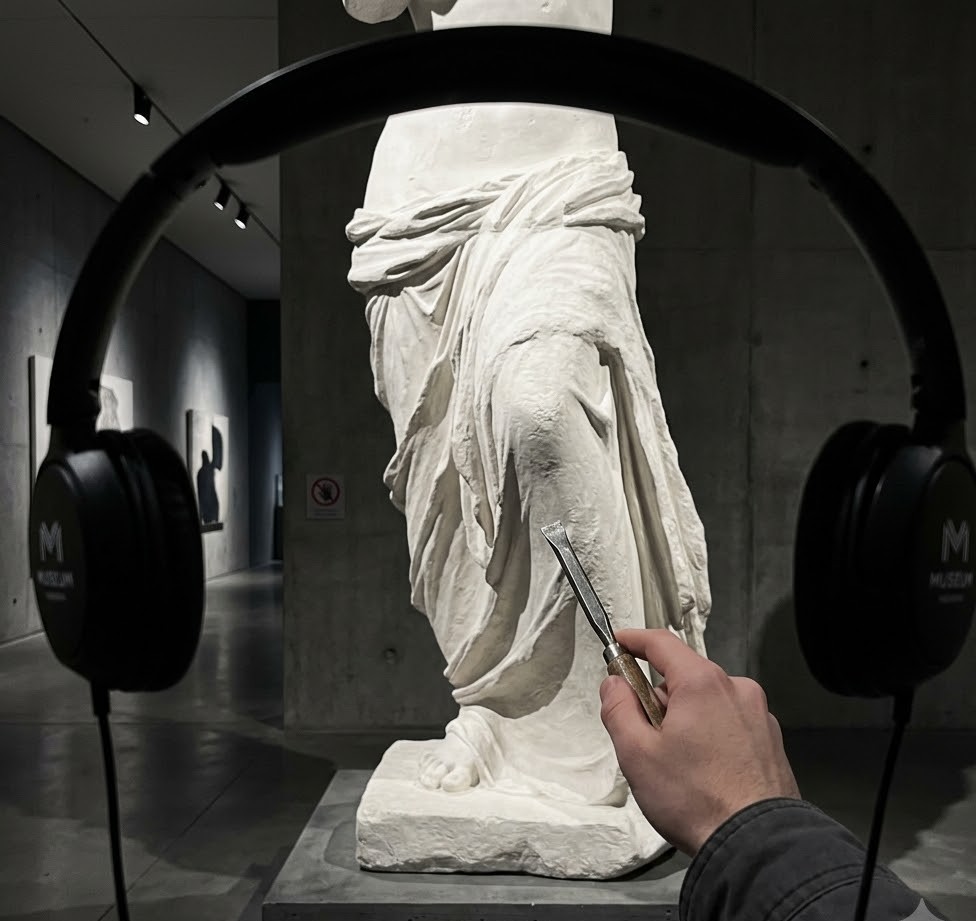
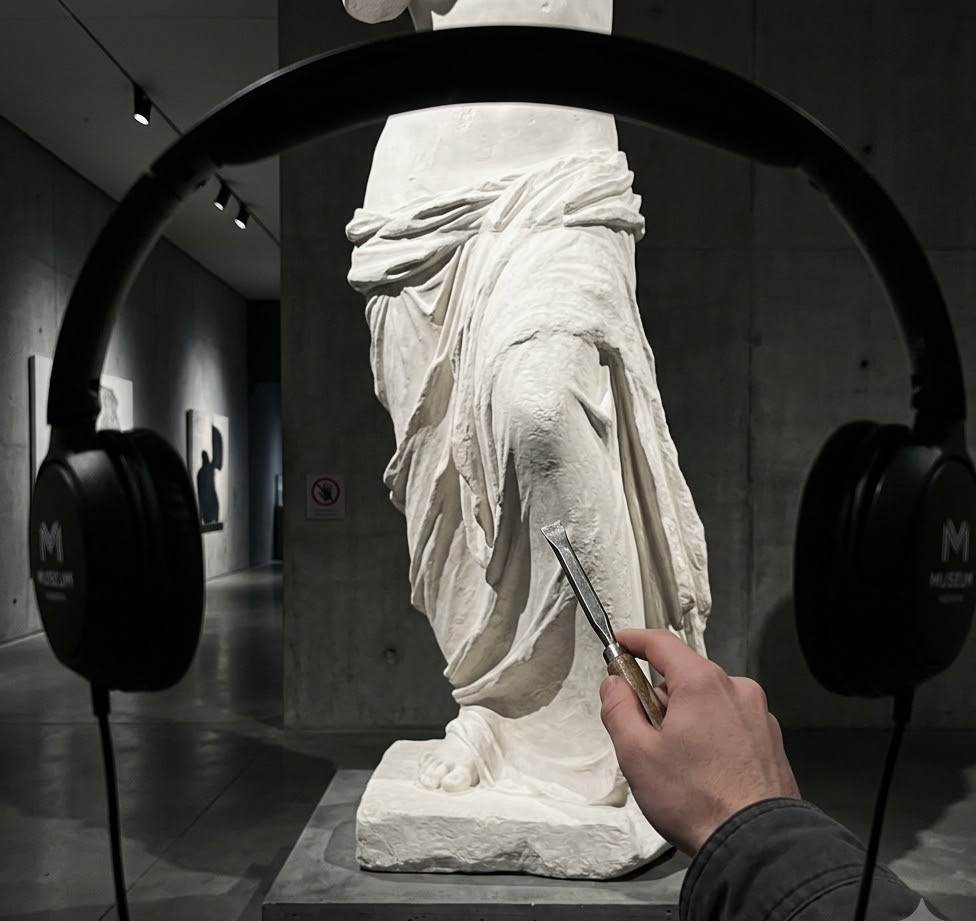
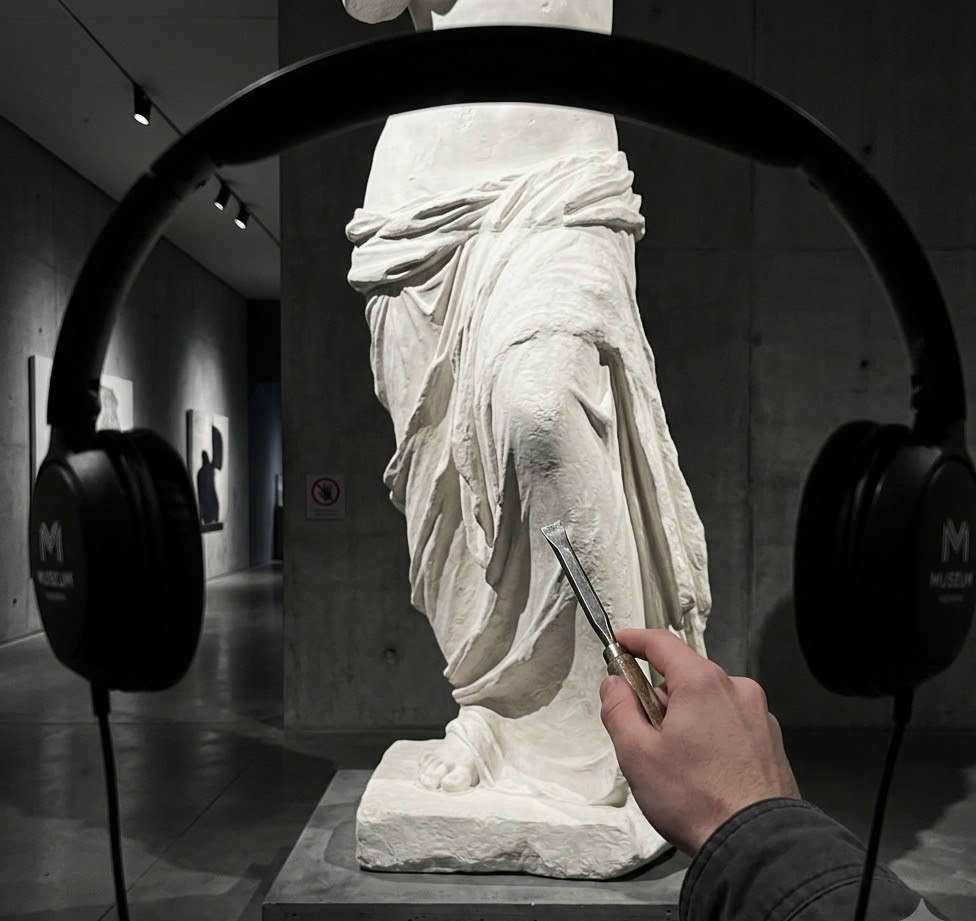
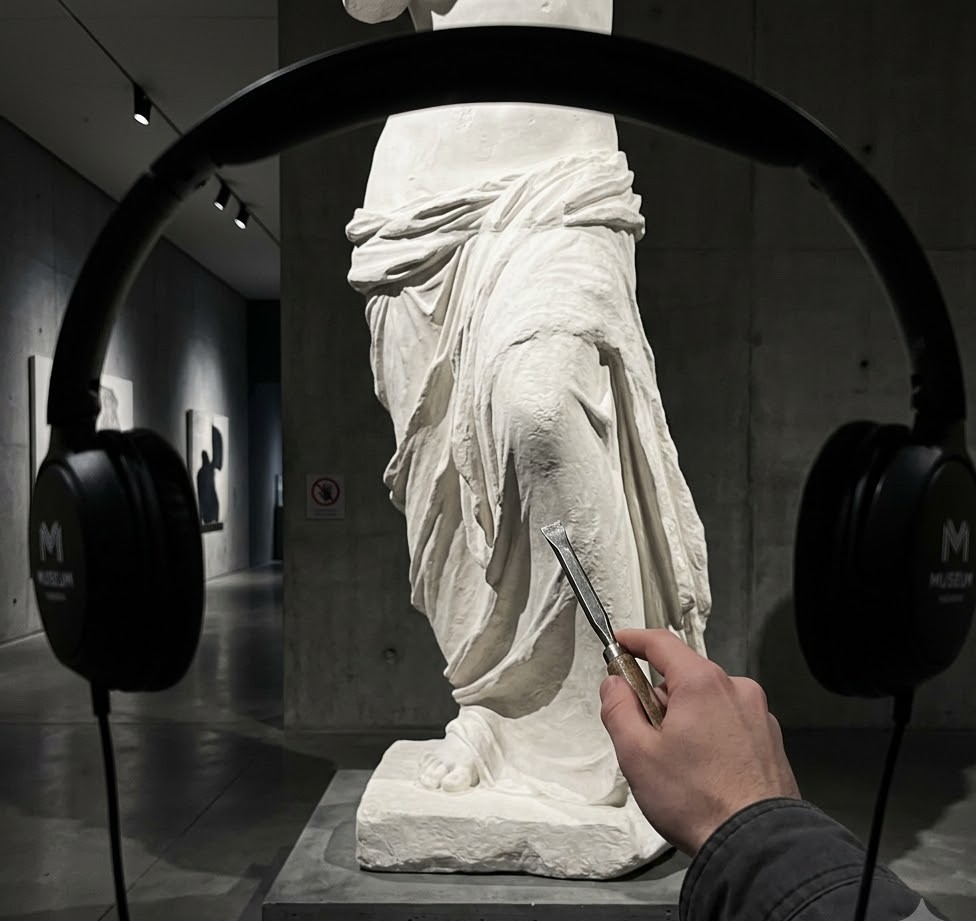
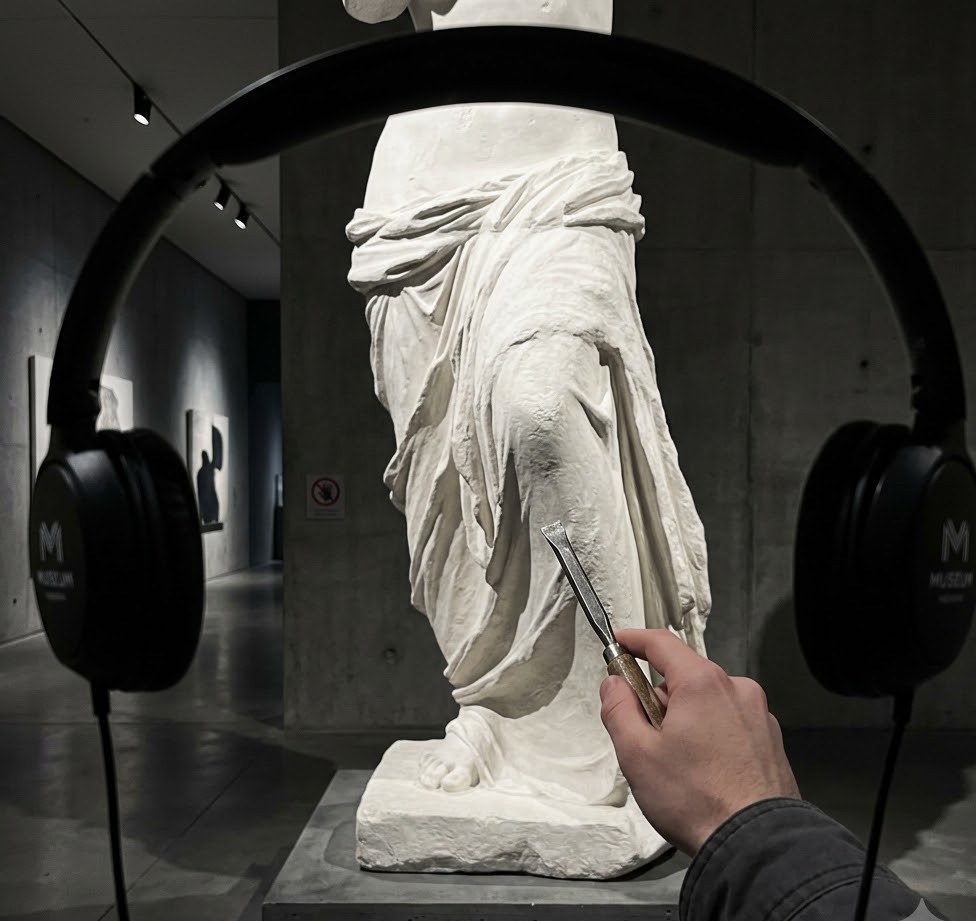
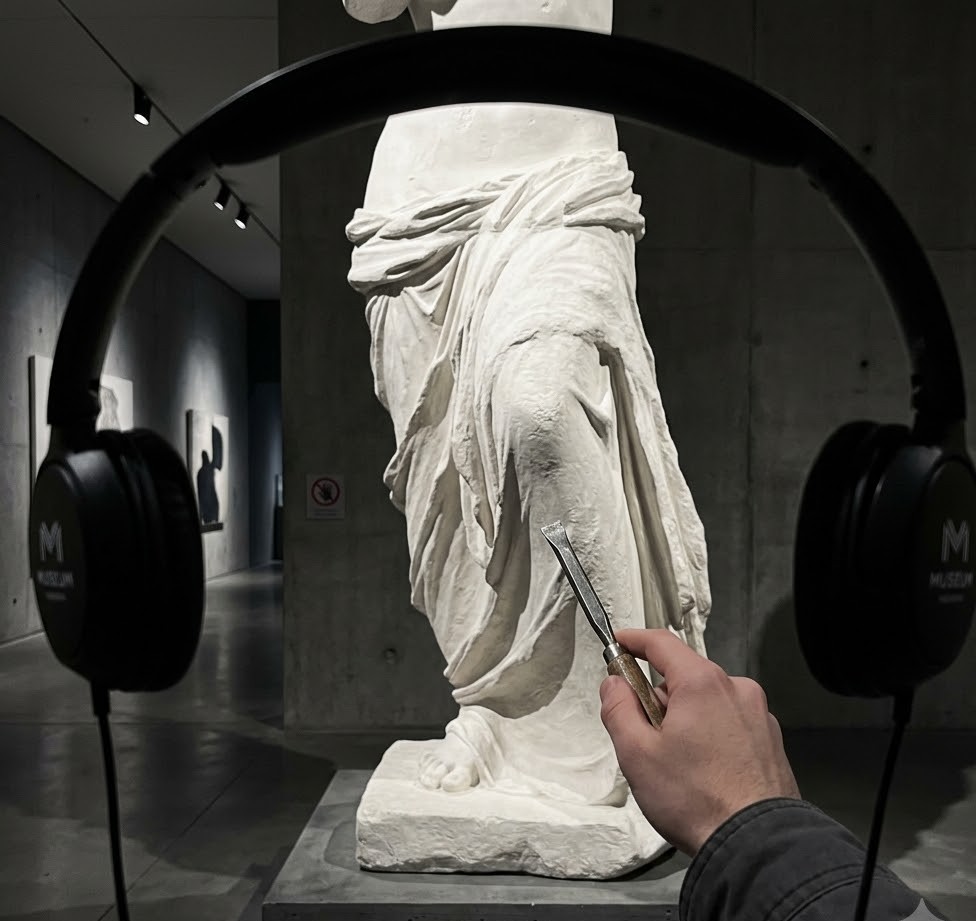
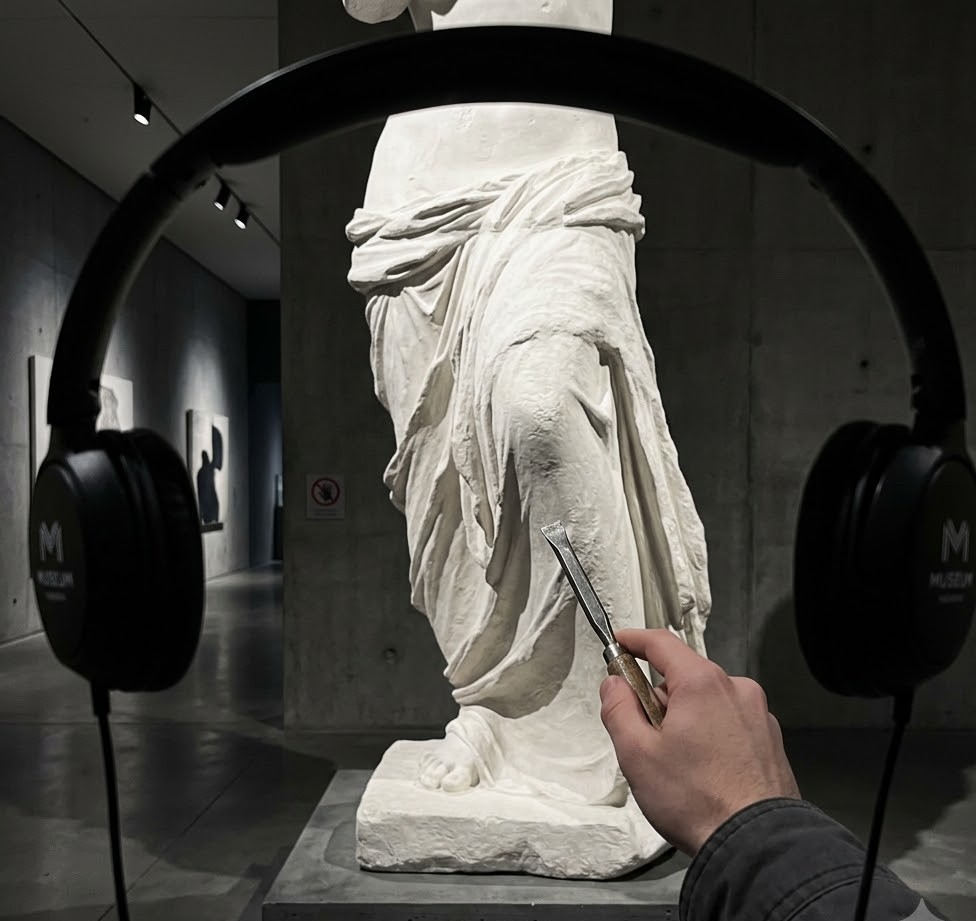
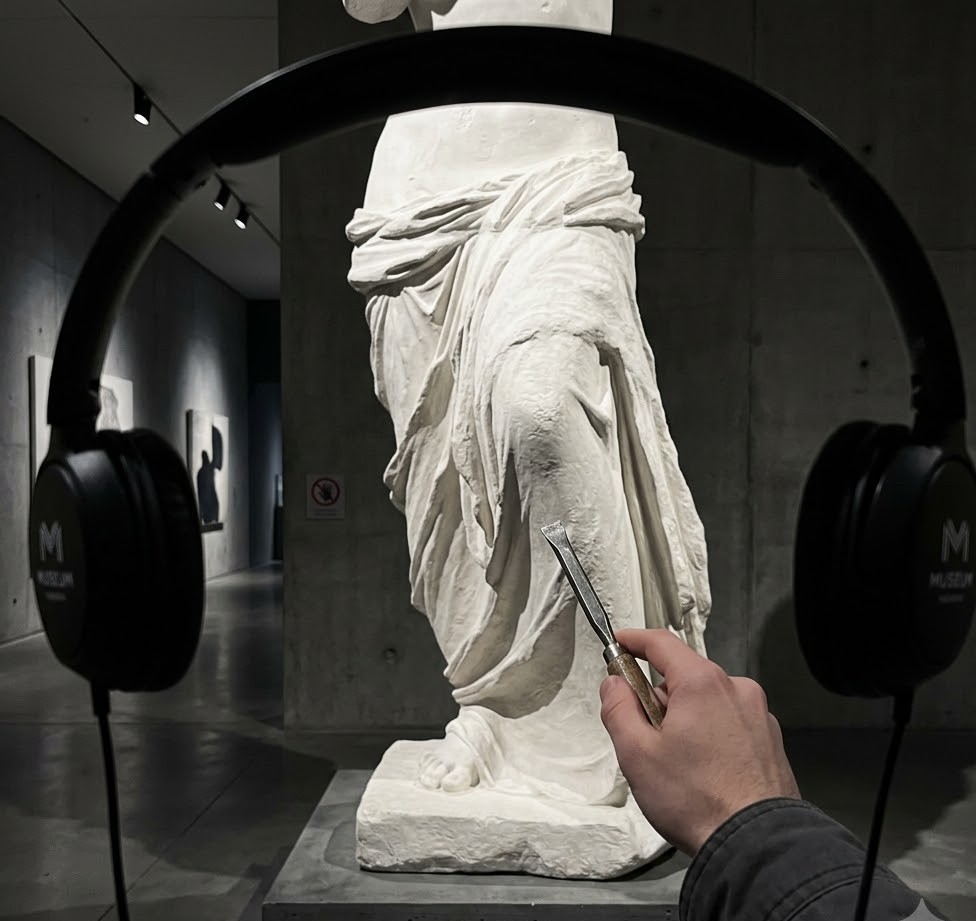
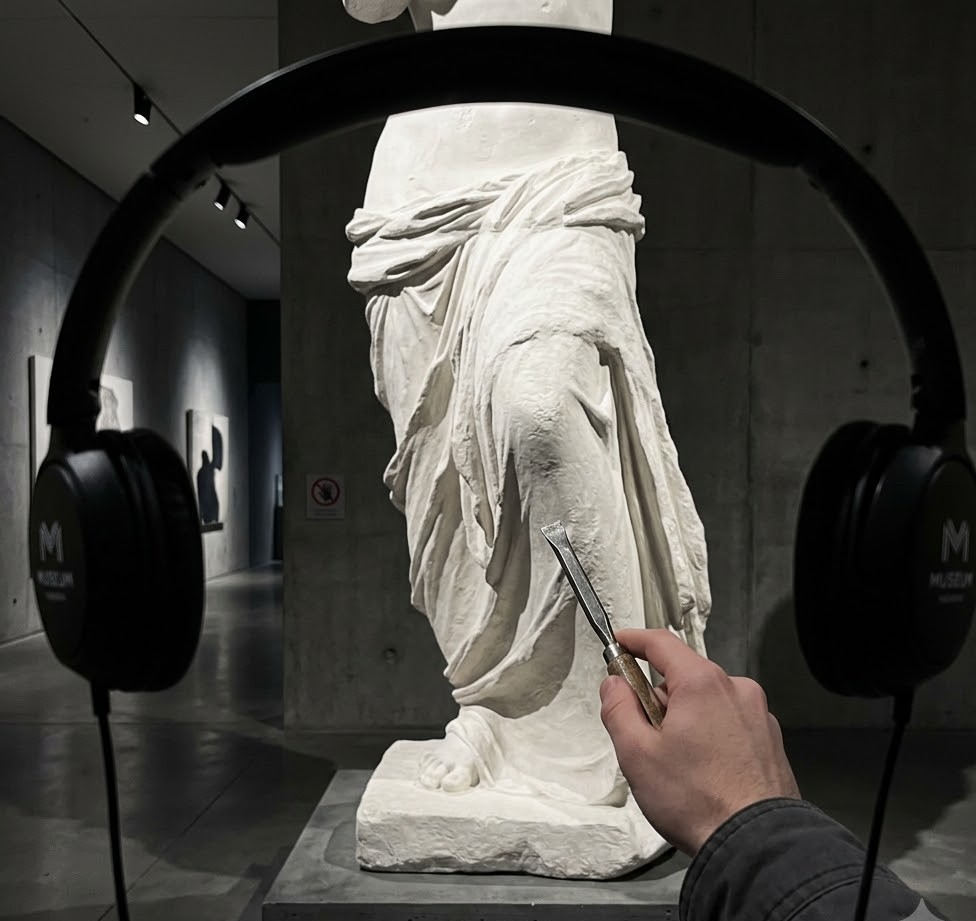
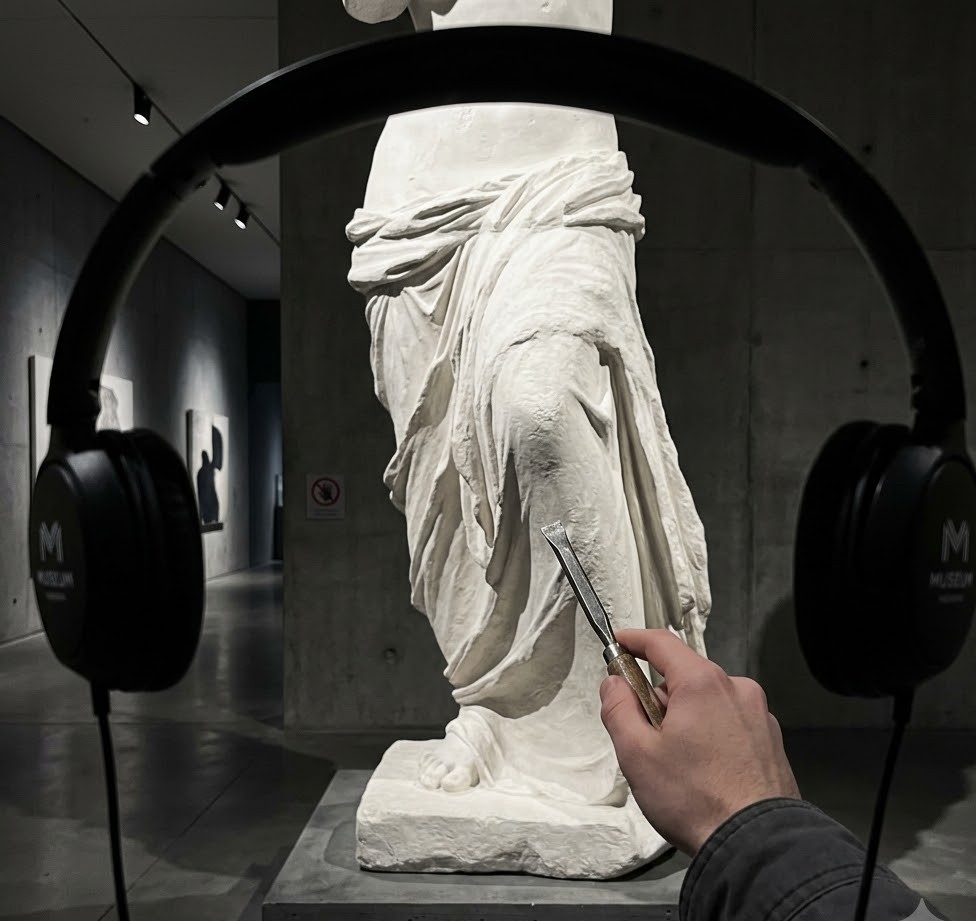
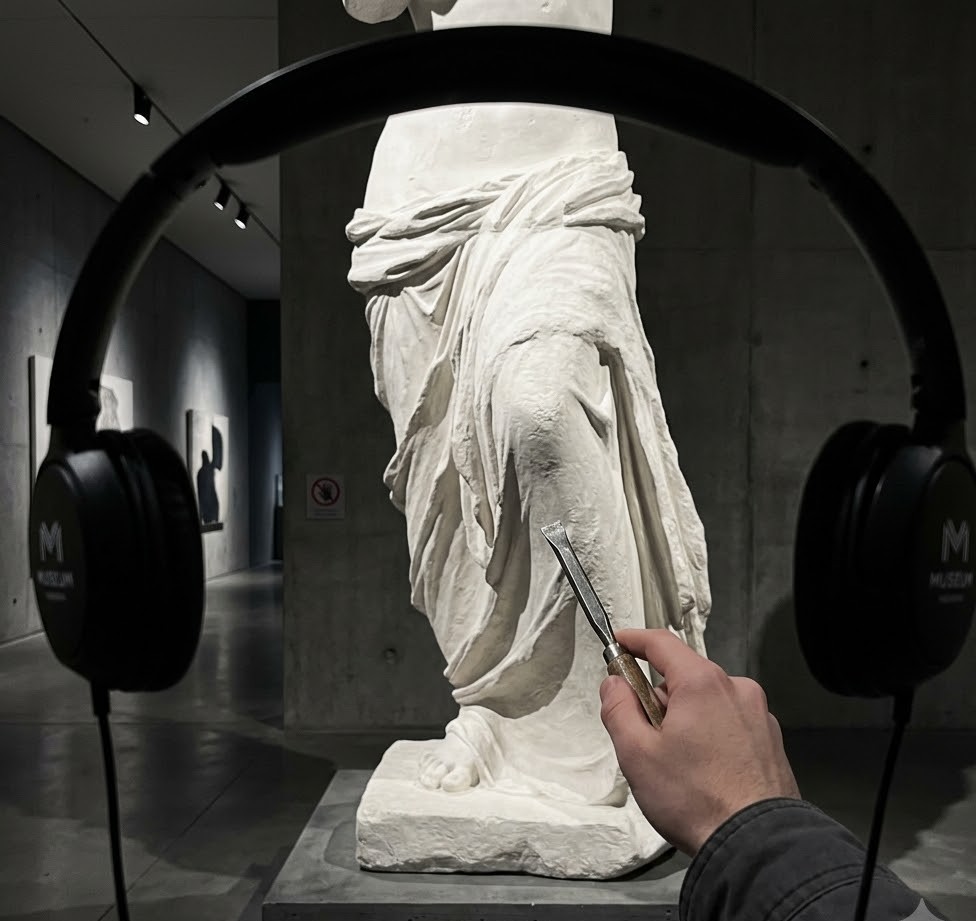
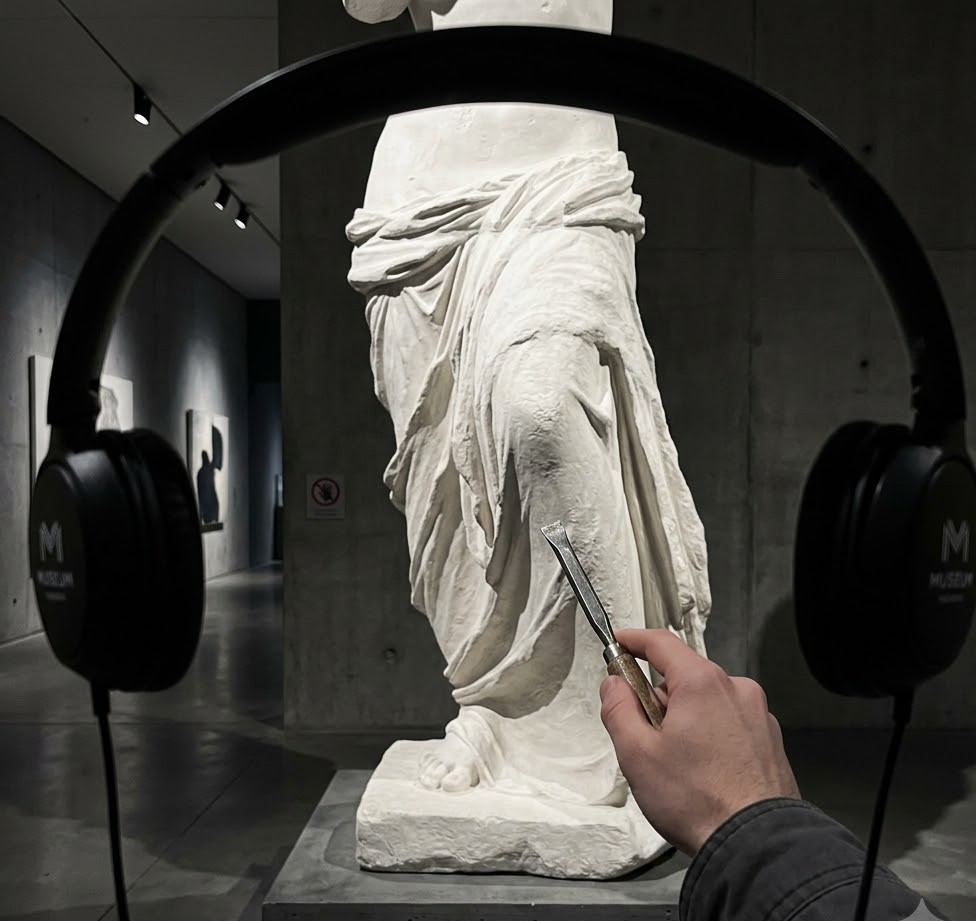
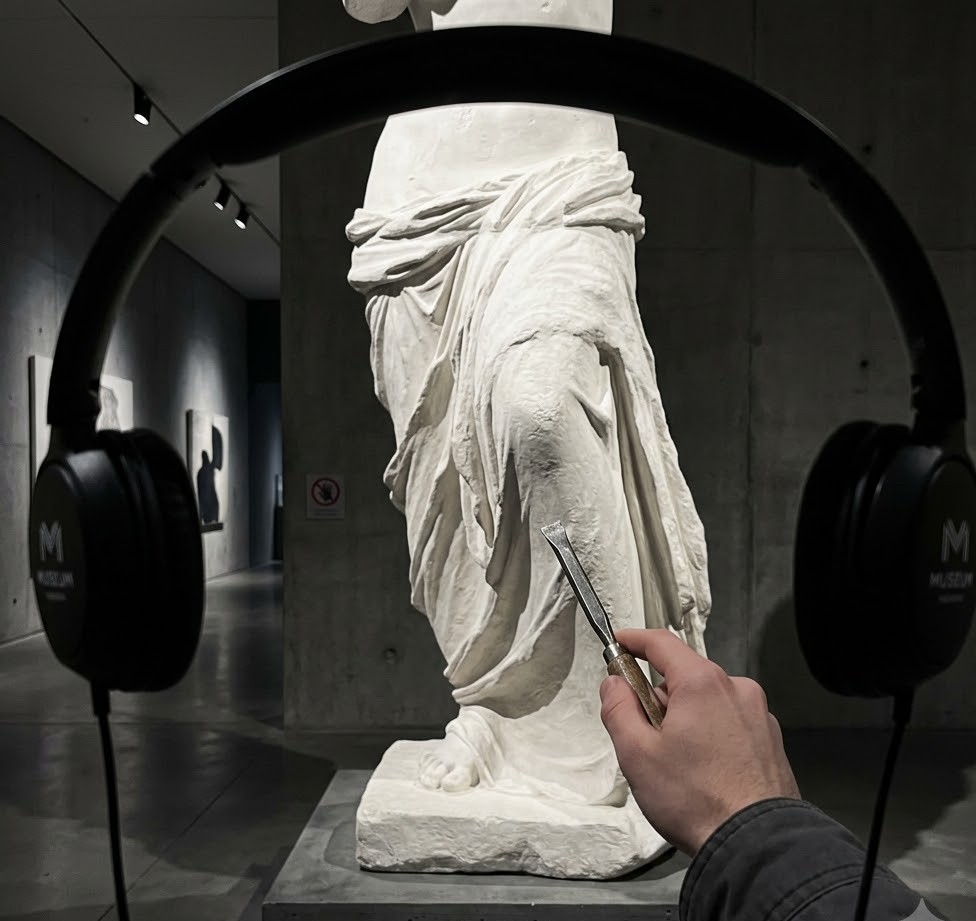
Maya Lin-Kincaid, however, felt a strange dissonance. The opulent surroundings felt far away, softened by the specialized, over-ear headset she had just placed on her head. Its purpose was to enhance the sensory experience of “The Sentinel of Justice,” the monumental plaster sculpture that dominated the room.
The statue itself was immense, a towering, monolithic form stretching fourteen feet into the vaulted ceiling. Its rough, off-white surface hinted at a raw, unfinished power, a deliberate contrast to the polished glamor of the gala. It was the centerpiece of her husband’s cultural foundation, a public beacon for his burgeoning U.S. Senate campaign.
Maya adjusted the headset, the soft pads pressing comfortably against her ears. The initial sounds were precisely what she expected: abstract, atmospheric reverberations, digitally designed to mimic the internal resonance of vast spaces. It was the kind of audio installation she usually found fascinating.
But then, a flicker. A faint irregularity.
Her brow furrowed. She isolated the anomaly, filtering out the programmed ambient layers. Her mind, honed by years as a forensic acoustic engineer, immediately picked up a different signature. A frequency that was deeply, unsettlingly biological.
It began subtly, a faint, ragged intake of breath, barely perceptible beneath the artistic hum. Then another, sharper, almost a gasp. Maya’s heart gave a sudden, hard thump against her ribs. She was trained to hear the inaudible, to find patterns in noise. This was no art installation.
A faint, repetitive tapping started. *Tap-tap-tap, tap-tap-tap, tap-tap*. Not random. Rhythmic. Desperate.
It was Morse code. Distinct, unmistakable. Coming from deep within the hollow core of the gargantuan plaster sculpture. She recognized the pattern immediately from her military acoustic training. Her fingers twitched, instinctively reaching for the headset’s input gain to amplify the horrifying discovery.
The signal was faint, but clear: human vocal tremors, the scraping of fingernails against a rough surface, the unmistakable sound of someone struggling for air. Her blood ran cold. This wasn’t a loop. This was live. A distress signal.
The specific frequency registered in her analytical mind: 420 Hz. A human voice, choked and trapped.
A sudden warmth bloomed at her back. A hand, firm and familiar, rested on her shoulder. The scent of Julian’s expensive cologne, mixed with a hint of political charisma, wafted over her. She felt the pressure of his touch, then his fingers brushed lightly against the control panel of her headset.
Lieutenant Governor Julian Kincaid, charismatic and impeccably dressed, leaned in, his smile dazzling for the array of news cameras flashing nearby. He radiated an air of confident success, completely at odds with the terror screaming into Maya’s ears.
He chuckled softly, a sound that didn’t quite reach his eyes. “Enjoying the exhibit, darling?” he murmured, his voice pitched just loud enough for a nearby journalist to catch.
Before Maya could respond, before she could even process the question, she felt a subtle click. A faint, almost imperceptible shift beneath his thumb.
Suddenly, the desperate tapping, the ragged breaths, the terrified scratching—all of it vanished. The headset went silent, save for a faint, electronic hum, precisely as if the master receiver had been deftly, quietly disabled.
Part 2
Julian’s hand clamped around my elbow, pulling me back. His smile, fixed for the cameras, didn’t waver, but his grip tightened, steering me away from the sculpture.
“Maya, darling, you look positively drained,” he murmured, his voice low and smooth, meant only for my ears. “That old museum tech is always so unreliable.”
He guided me past a velvet rope, through a cluster of guests, and into a narrow service corridor behind the main gallery. Fluorescent lights flickered above, casting harsh shadows on the concrete floor.
“You’re hearing things, love,” he continued, turning to face me, his eyes sharp and unyielding. “Just the stress of the gala, the noise. A little sensory overload.”
He waved a dismissive hand, as if swatting away an inconvenient fly.
A moment later, the lights in the main gallery flickered, then died completely. The low hum of the air conditioning ceased. A ripple of surprised murmurs went through the guests.
Julian didn’t even flinch. He spoke into his lapel mic, his voice calm and reassuring. “Electrical fault, folks. Nothing to worry about. Just a breaker trip. Staff are on it.”
From where I stood, I could see figures moving quickly in the sudden gloom of the gallery. Two event staff members emerged, carrying a massive, folded canvas tarp.
My stomach dropped. They moved with practiced efficiency, unfolding the heavy fabric. The dull *thwack* of it hitting the polished floor echoed in the silenced space.
They draped the sculpture, covering its vast, plaster form, hiding it from view. One of them produced a heavy chain and padlock, securing the gallery doors from the outside.
Julian watched the scene, a faint, satisfied curve to his lips. He had done this. He had orchestrated the darkness.
He had sealed it away.
More Stories







+ There are no comments
Add yours