In October 1867, a young woman arrived at my Leavenworth infirmary holding a handwritten marriage proposal from a brain-injured Civil War veteran.



Silas’s threat to revoke the infirmary’s charter hung heavy in the air, a poisonous cloud. I stood on the infirmary steps, watching the western sky, the sun beginning its slow descent. The deputy would be here soon.
Just as despair threatened to overwhelm me, Great-Aunt Hester appeared, her small frame bustling up the path. She was carrying an old, leather-bound box under her arm, her cheeks flushed with exertion.
“Josiah!” she called, her voice strained but urgent. “I found it! I knew I had it somewhere!”
She reached me, out of breath, and fumbled with the latch on the box. Inside, amidst yellowed letters and faded ribbons, lay a brittle, official-looking document.
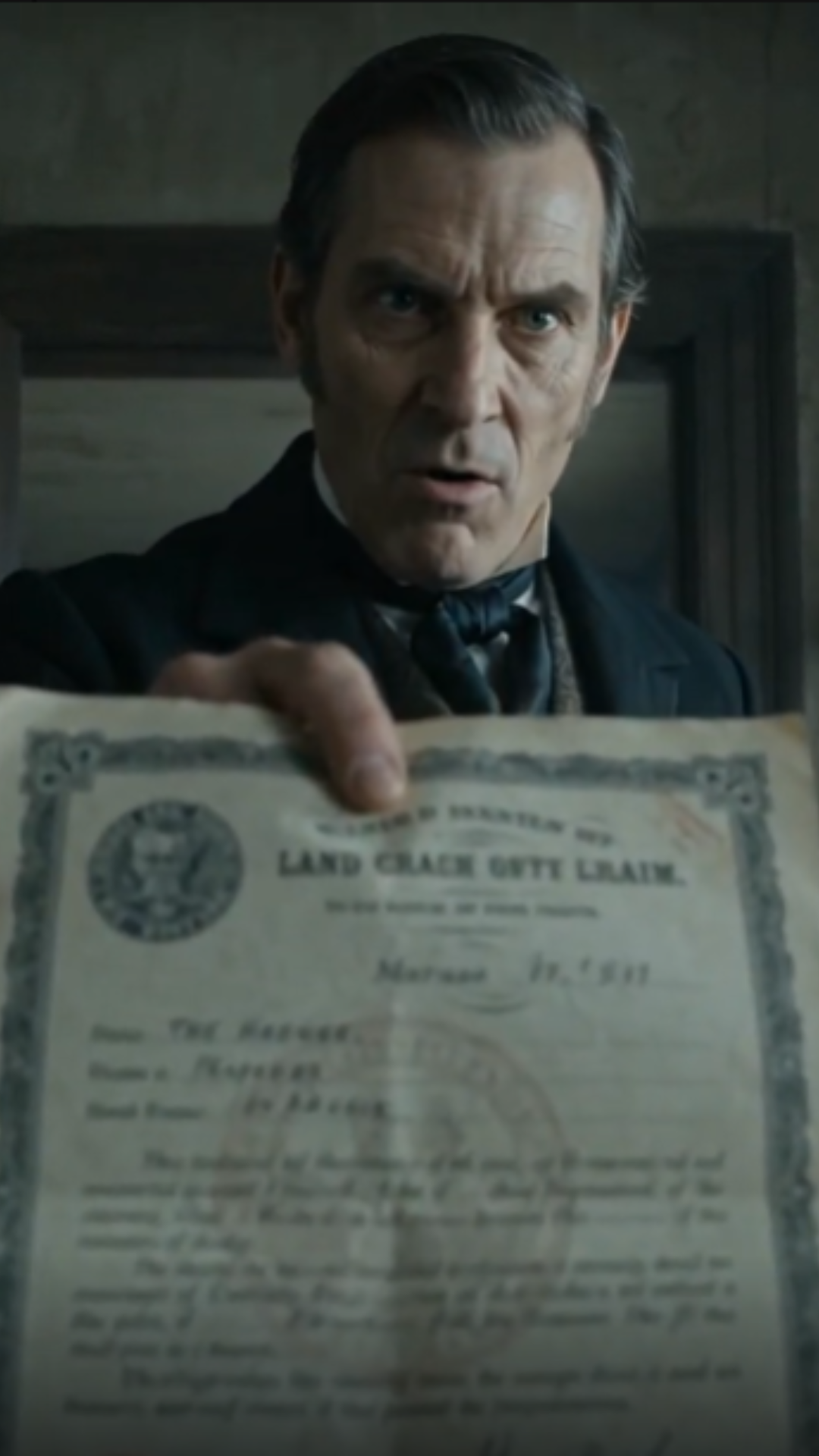
“This,” Hester announced, her eyes bright with triumph, “is a copy of Silas Crain’s War Department discharge notice. From Tennessee, late 1864.”
She handed it to me. The paper was fragile, but the words were stark and clear. It was an official record of a court-martial.
“Silas Crain,” I read aloud, my voice trembling with revelation. “Dishonorable discharge. Grounds: Extortion. Theft of government rations. Abuse of authority.”
“He was running a black market out of his quartermaster depot, Josiah,” Hester explained, her voice sharp with old indignation. “Selling off supplies meant for the troops, pocketing the money, and then filing false reports. He was caught trying to extort money from soldiers’ families for ‘lost’ mail, packages he’d stolen himself.”
My mind reeled. “This… this means he has no legal standing. No right to enforce any military debt claim. He was a criminal, not a legitimate officer!”
“Exactly,” Hester confirmed, a grim satisfaction on her face. “They stripped him of his rank, his pension, everything. But the war was ending, and the paperwork was a mess. He slipped through the cracks. Came west, hoping no one would remember.”
This wasn’t just evidence of a single fraud; it was a character reference, an official government declaration that Silas Crain was a cheat and a thief. His entire claim against Thomas, his entire leverage, was built on a foundation of lies.
“This is better than the ledger, Hester,” I breathed, my heart pounding. “This exposes him entirely. He can’t threaten me with a revoked charter if he himself is a dishonorably discharged criminal.”
Hester nodded, a flicker of a smile on her lips. “It changes everything, doesn’t it? He can’t claim any military debts if he was discharged for theft from the very same military.”
The fear Silas had instilled in me, the threat of losing my infirmary, began to recede. This document, found in Hester’s attic, was a shield. It protected not just Thomas, but my entire mission.
But then I heard a muffled thump from inside the infirmary. A shout.
“Eli! Don’t just throw them in there!” George’s voice boomed.
I looked at Hester, then back at the door. The brothers were still inside. And the sun was setting fast.
More Stories








+ There are no comments
Add yours