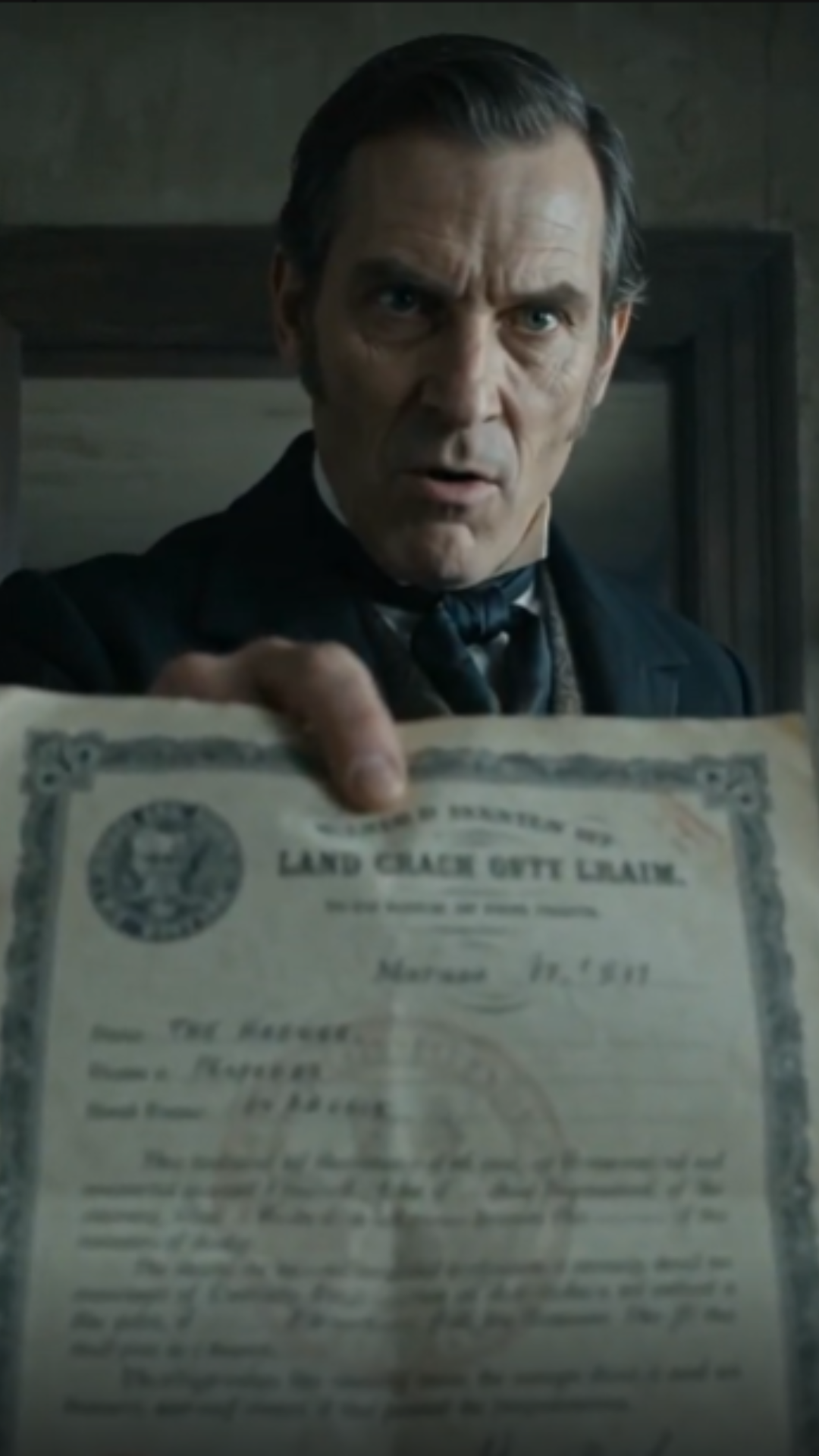
In October 1867, a young woman arrived at my Leavenworth infirmary holding a handwritten marriage proposal from a brain-injured Civil War veteran.
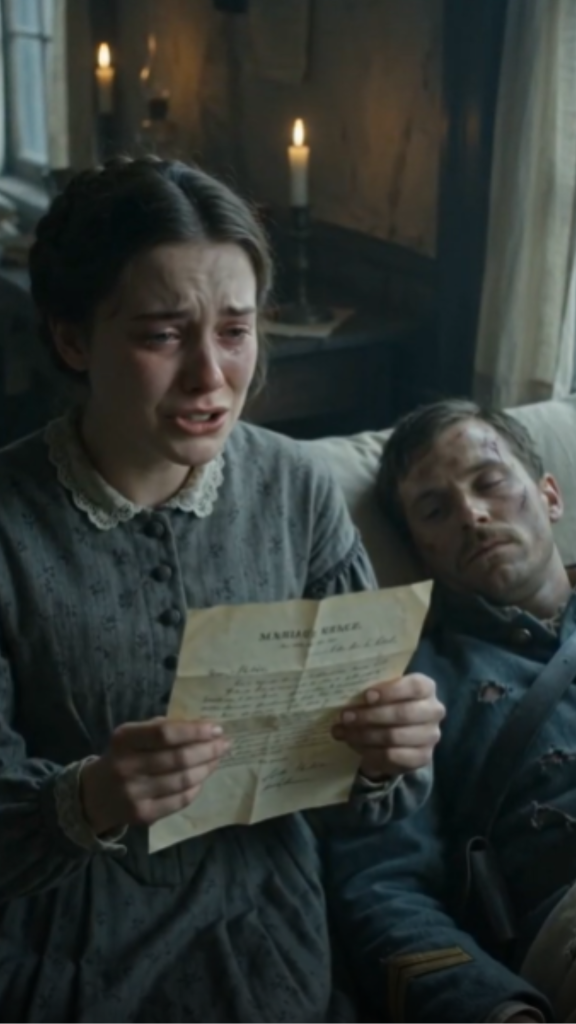


Hours later, the world was strangely quiet, save for the dripping water and the distant sounds of desperate shouts. The tornado had passed, leaving Leavenworth a ruin.
Dust and the acrid smell of smoke hung heavy in the air. The infirmary was a skeletal remains of its former self – the roof gone, walls leaning precariously, debris scattered everywhere. Rain still drizzled from the bruised sky.
I lay trapped beneath the chimney stone, my lower body completely unresponsive. Thomas and Martha, miraculously, were untouched, huddled against my side. Townspeople, their faces grim and streaked with soot, were slowly making their way through the devastation, calling out names.
They found us, carefully lifting the heavy stone from my back. The pain, when it returned, was a distant, searing fire in my spine. I was transferred to a makeshift stretcher, a blanket pulled over me.
Silas Crain emerged from the rubble, limping, with minor scrapes and cuts, but otherwise whole. His face was a mess of shock and fear, the swagger completely gone. He looked around wildly, then his eyes landed on the overturned stove, where the last vestiges of his legal briefcase, and the forged deeds within, were now nothing but charred, unreadable ash and scattered fragments.
His entire scheme, his meticulous plans for Thomas’s land, had been consumed by the fire. He had nothing left to leverage.
Silas’s gaze swept over me on my stretcher, then to Thomas and Martha, who were now standing together, Martha’s arm protectively around Thomas’s waist. Without a word, without a backward glance, Silas Crain turned and limped away into the ruined street, a broken man himself, his grand designs reduced to dust.
Deputy Jebediah, his uniform torn, approached my stretcher. He still clutched Jedidiah’s ledger and Hester’s court-martial paper, remarkably unharmed.
“Doctor,” he said, his voice quiet, “I saw what you did. And I saw this.” He held up the papers. “Silas Crain won’t be bothering Thomas Finch anymore. His documents are gone, and these… these are damning.”
He looked at Thomas and Martha. “Sergeant Finch is free. His homestead is his. There’ll be no asylum. No forced transfers.”
A wave of relief, so profound it brought tears to my eyes, washed over me. I had saved them.
“One more thing, Deputy,” I rasped, my voice weak. “The county fees. For Thomas’s care, for Martha’s travel… all the administrative liens.”
Jebediah frowned. “They’ll still be substantial, Doctor. There’s bureaucracy, even in a tornado’s aftermath.”
“My clinic fund,” I whispered, reaching for a small, leather pouch that had somehow survived beneath my consultation desk, now lying shattered nearby. “It’s all in here. Two thousand, four hundred dollars. Every cent I saved for expanding the infirmary.”
“Doctor, you can’t,” Jebediah began. “You’re injured. You’ll need it.”
“No,” I insisted, my voice gaining a desperate strength. “This is for Thomas. For Martha. To clear everything. To make sure they walk away with nothing hanging over their heads. Unencumbered. Fully free.”
I nodded to Martha, who approached, her eyes glistening. She carefully took the pouch from my trembling hand.
“Take it, Martha,” I said, a faint smile touching my lips. “It’s for your future. For Thomas’s future. Build your home. Start your life.”
Jebediah watched, his expression unreadable. He knew the depth of my sacrifice. He understood that my life’s work, my physical well-being, and my financial security were now completely gone.
But Thomas was free. And Martha had a future. That was enough.
More Stories




+ There are no comments
Add yours