
At sixty-eight years old, I took in Major, an eight-year-old retired arson hound left homeless after the county disbanded his unit.
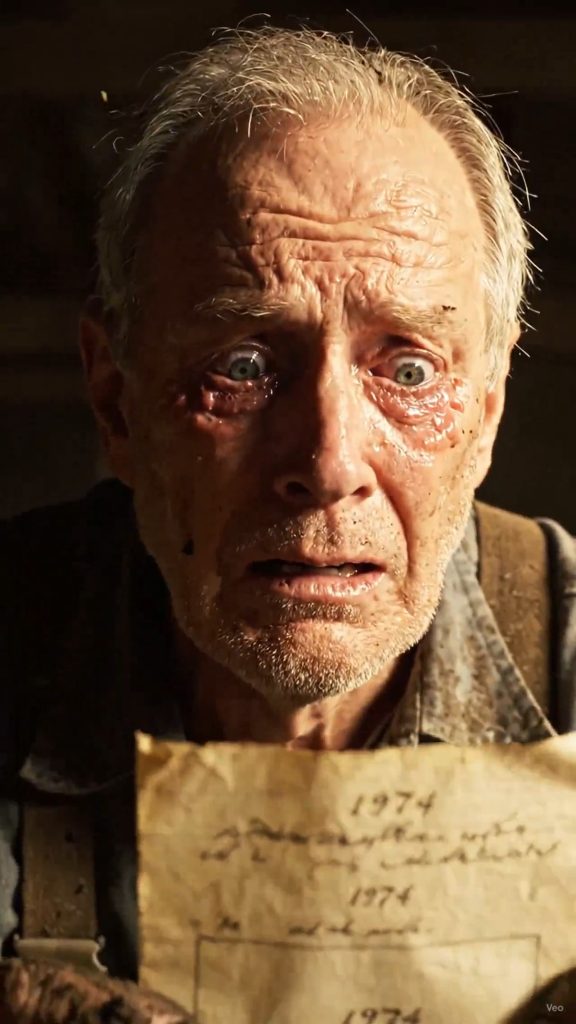


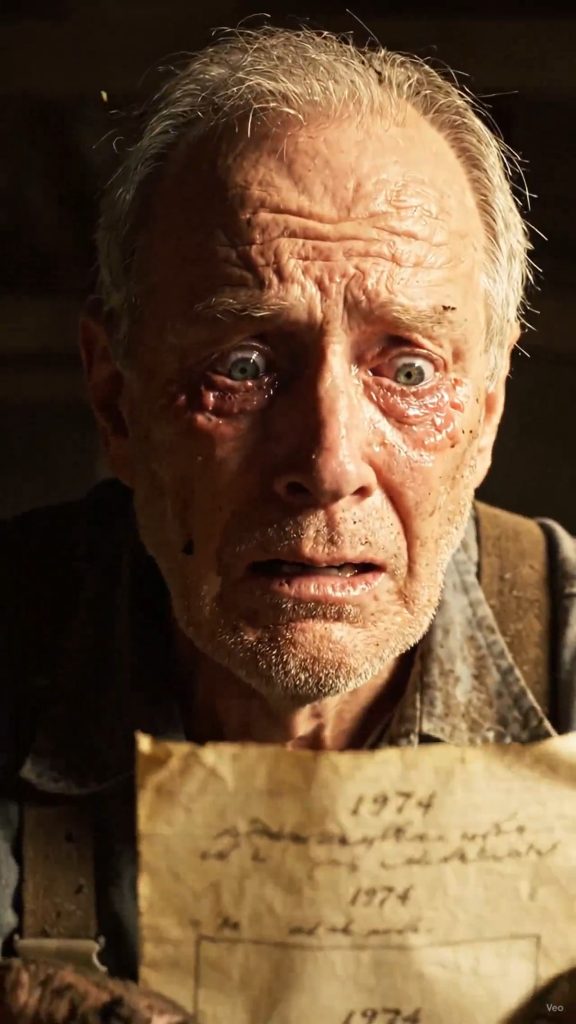

The scent of antiseptic and old flowers hung in the air at Magnolia Manor. It clung to the polished linoleum floors and the plush chairs in the common area, a sharp contrast to the familiar smell of pine needles and damp earth I usually carried.
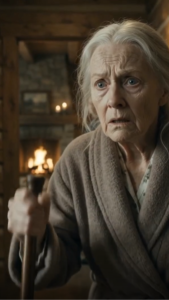
My adoptive father, George Higgins, sat in his sun-drenched private room, a newspaper folded neatly beside him. At eighty-nine, his skin was thin, almost translucent, but his eyes, a faded blue, still held a piercing sharpness.
I held the rusted ammo box, wrapped in its oilcloth, in my hands. The letter, my birth mother Martha’s letter, was inside.
“George,” I said, my voice low, the name feeling heavy on my tongue.
He looked up, a slight frown touching his brow. He didn’t invite me to sit.
“Arthur. To what do I owe the pleasure?” His tone was flat, devoid of real curiosity.
I placed the box carefully on the small, varnished table between us. The metal clanged softly against the wood.
“This came out of the shed,” I told him. “Under the dirt floor.”
He glanced at it, then back at me, a flicker of something unreadable in his gaze. He said nothing.
“It’s from Martha,” I continued, pushing the letter, removed from its oilcloth, slightly toward him. “Dated October 14, 1974.”
His jaw tightened, a barely perceptible movement. He reached out a frail hand and picked up the folded paper. He didn’t unfold it immediately, just held it, his gaze distant.
Then, his eyes, those sharp blue eyes, met mine. They held no warmth, no surprise, no recognition of the Martha I remembered.
“Fifty years, Arthur,” he said, his voice a dry rustle. “A half-century.”
He unfolded the letter, his movements slow and deliberate. I watched his eyes scan the lines, his expression remaining utterly blank. The words, my mother’s desperate warning, seemed to vanish into his stillness.
When he finished, he refolded the letter with precision. He placed it back on the table, next to the ammo box.
“An old man’s legacy,” George began, his voice surprisingly steady, “is built on more than a scrap of paper from a confused woman.”
He looked directly at me.
“A legacy will not be ruined by something so easily dismissed.”
My breath caught in my throat. There was no remorse, no flicker of guilt. Just cold, absolute dismissal. It was a calculated move, erasing my mother’s final words, erasing her, erasing the truth.
“You adopted me,” I managed, the words tasting like ash. “After you killed them.”
George leaned back in his chair, a thin smile touching his lips. It wasn’t a smile of amusement. It was a display of power.
“I gave you a name, Arthur. A life. Remember that.”
He gestured vaguely toward the door. The unspoken message was clear. Our conversation was over.
I stood there for a long moment, the weight of his callousness pressing down on me. I turned and walked out, leaving the letter and the box on his table, a silent challenge. He didn’t call after me.
Less than two hours later, as I was pulling into my driveway, my old flip phone buzzed in my pocket. The number was unfamiliar.
“Arthur Higgins?” a crisp voice asked when I answered.
“Speaking.”
“This is Councilman Marcus Brody.”
I recognized the name. Brody was a close political ally of George, always singing his praises at town events.
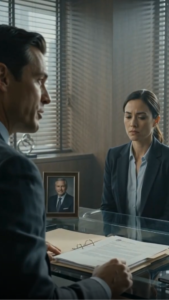
“I understand you’ve been making some rather serious, unsanctioned allegations,” Brody continued, his voice losing its initial pleasantness. “Against a respected former county commissioner.”
A cold knot formed in my stomach. George worked fast.
“Allegations of that nature,” Brody said, his voice now a thinly veiled threat, “can have… unintended consequences.”
He paused, letting the words hang.
“Like, say, a review of volunteer firefighter pension disbursements.”
My grip tightened on the phone. My monthly $2,400 pension. My only reliable income.
“Those funds are allocated at the county level,” Brody added, almost casually. “And county officials do not tolerate disruptions to civil order.”
The line went dead.
I stood beside my truck, the phone still warm in my hand. George hadn’t just dismissed the truth; he had activated the system to crush me for even looking for it.
More Stories



+ There are no comments
Add yours