
At sixty-eight years old, I took in Major, an eight-year-old retired arson hound left homeless after the county disbanded his unit.
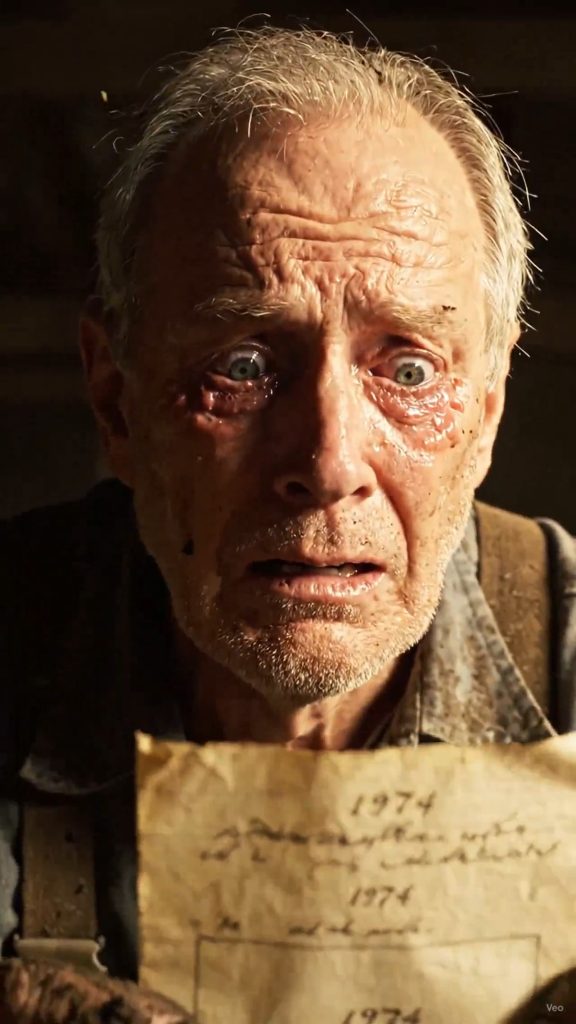


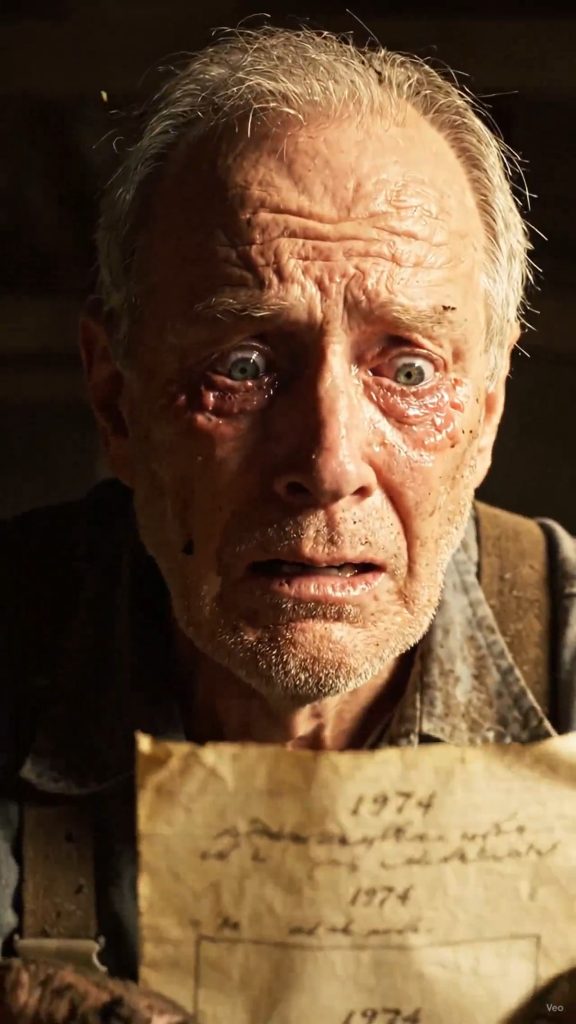

The demolition deadline loomed, a seventy-two-hour countdown that felt like moments. I had secured a temporary injunction against the shed’s destruction, citing procedural irregularities in the blight declaration, buying myself a few precious days, but it wouldn’t last. Brody would find another angle. I needed something bigger, something official.
So, I drove the sixty miles to Augusta, to the State Fire Marshal’s regional office. Major lay in the truck bed, cushioned on an old blanket, his presence a quiet anchor. The journey felt heavy, burdened with expectation. I had the letter, Chief Kincaid’s ledger, and the knowledge of Brody’s deep corruption. Surely, this was enough.
The State Fire Marshal’s office was a modern, glass-fronted building, starkly different from the dusty county archives. Inside, the air was cool and hushed. I waited in a sterile reception area, clutching my canvas bag with the ammo box and ledger copies.
Finally, a woman with a no-nonsense demeanor called my name. “Mr. Higgins? I’m Officer Ramirez, state intake.”
She led me to a small, windowless interview room. The table was metal, cold to the touch. I carefully laid out my mother’s letter, now laminated for preservation, and the photographs of Chief Kincaid’s ledger pages. I explained the story, my voice tight with suppressed emotion, watching her face for any sign of understanding or alarm.
Officer Ramirez listened patiently, her expression neutral. She picked up the letter, read it, then examined the ledger entries, her brow furrowing slightly at the dollar amounts.
“This is compelling, Mr. Higgins,” she finally said, her voice professional, guarded. “The letter, the ledger… it paints a disturbing picture.”
A surge of hope swelled in my chest. This was it. Someone was finally listening.
“So, you can open an investigation?” I asked, leaning forward. “A criminal one, against George Higgins?”
She paused, looking at the documents again, then at me. Her expression softened, but her eyes held a weariness I recognized. It was the look of someone who had seen too many desperate hopes dashed by bureaucracy.
“Mr. Higgins,” she began, “for a criminal investigation, especially one dating back fifty years, we require the original physical arson inspection logs. The full, detailed forensic reports from the scene.”
My heart began to pound. “The logs? From 1974?”
“Yes,” she confirmed. “Those are our primary evidence. Without them, we can’t establish chain of custody, or verify original findings against your new evidence.”
“But I have Chief Kincaid’s ledger,” I protested, pointing to the pages. “It explicitly states ‘classify as electrical accident’ for cash.”
Officer Ramirez nodded slowly. “And that is highly suspicious, yes. But it’s secondary evidence. The primary, on-site investigator’s logs are what legally underpin any criminal arson charge.”
Then came the blow.
“Unfortunately, sir,” she said, her voice laced with genuine regret, “all primary 1974 arson investigation logs for Oconee County were officially purged during a statewide department renovation in 1988.”
My jaw went slack. Purged. Gone.
“It was a standard archival clean-out,” she explained, as if reading from a manual. “Files deemed beyond their statutory retention period were destroyed. The original physical logs from that fire, if they still existed, would have been among them.”
“So,” I whispered, the hope draining from me, “you can’t do anything?”
She folded her hands on the table. “Without those original logs, against an eighty-nine-year-old suspect with documented, albeit creeping, cognitive decline, we simply do not have the legal basis to open a formal criminal investigation. Not for a fifty-year-old case.”
It was an intentional destruction. George’s reach, even from decades ago, was still stifling the truth. The very evidence that could prove George’s guilt, the official documentation, had been systematically eliminated, clearing his path to immunity. I held the truth in my hands, but the law, through deliberate erasure, had rendered it useless for criminal justice.
I drove back, the weight of the useless truth pressing down on me. The demolition order on my shed, Brody’s threat, George’s callousness—it all felt like a tightening noose.
More Stories







+ There are no comments
Add yours