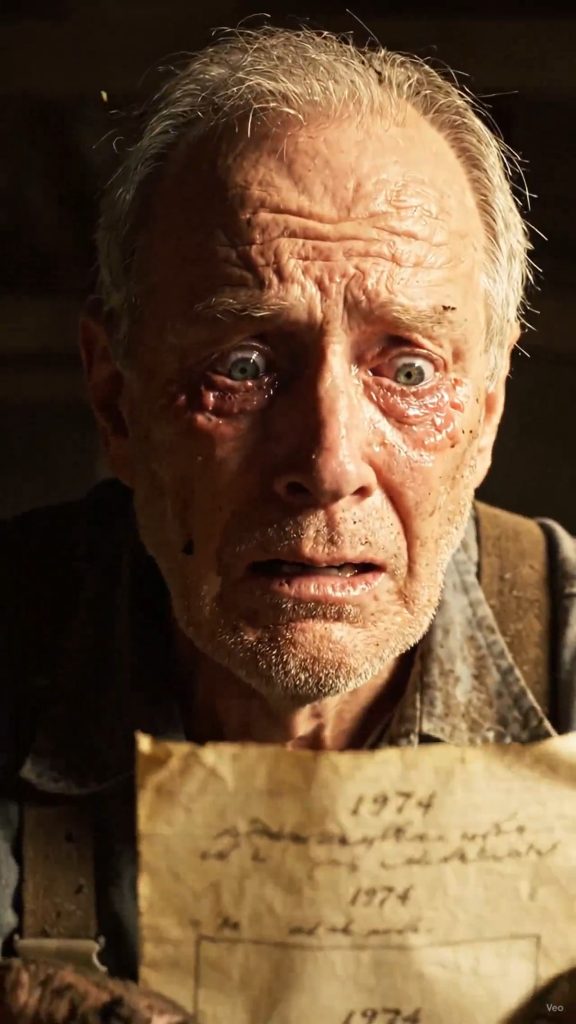
At sixty-eight years old, I took in Major, an eight-year-old retired arson hound left homeless after the county disbanded his unit.
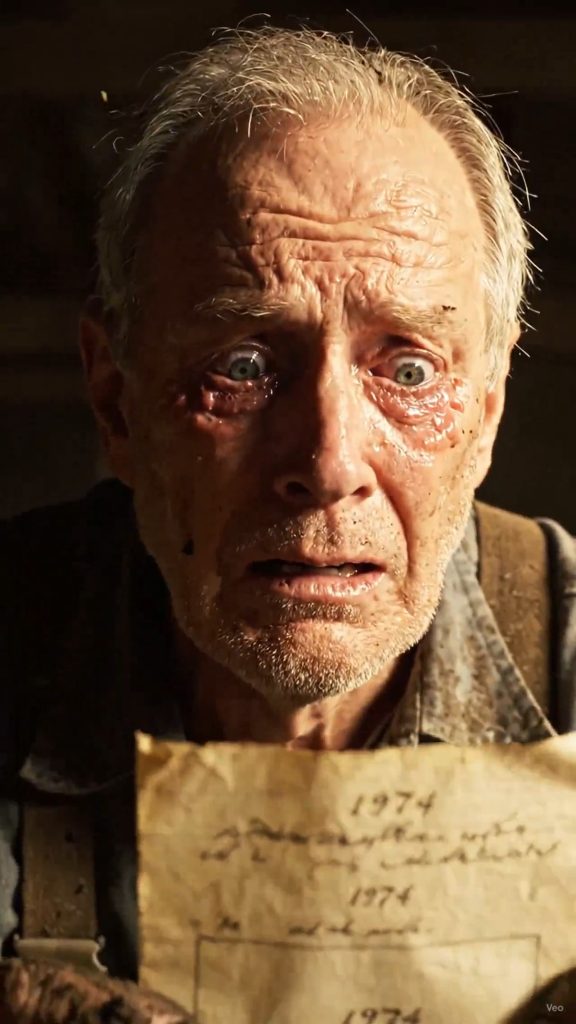


The civic center devolved into pandemonium. Shouts, accusations, the frantic clicking of cameras from local news crews that had materialized from nowhere. My mother’s words, the careful evidence I had gathered, all of it rendered irrelevant by Walter Albright’s dry, bureaucratic pronouncement. George Higgins was publicly exposed, but legally untouchable.
The state prosecutor, a grim expression on her face, reiterated the crushing details. “The 50-year civil statute of limitations expired forty-eight hours ago. This means any attempt to recover the fraudulent funds is legally null and void.”
She swept her gaze across the stunned assembly. “And regarding criminal prosecution,” she continued, “George Higgins’s documented cognitive impairment, confirmed by multiple medical evaluations, makes him legally incompetent to stand trial for a crime committed half a century ago.”
The air felt thick with outrage and disbelief. People were shaking their heads, murmuring angrily. But the prosecutor, by state law, was a wall. No criminal charges, no financial recovery. George’s crimes, laid bare for all to see, would go unpunished.
Then, swift and decisive, Councilman Marcus Brody sprang into action. His earlier look of panic had hardened into desperate calculation. He moved quickly to George’s wheelchair on stage, leaning down to speak to him in hushed, urgent tones. George, still strangely blank-faced, offered no resistance.
Brody gave a quick, sharp nod to two burly security guards. They moved in, flanking George’s wheelchair. Without another word, Brody began wheeling George across the stage, not toward the main exit, but toward a discreet side door. He moved with a speed that belied George’s eighty-nine years, clearly intent on getting him out of the public eye before any more questions could be asked, before any more damage to the town’s reputation could be done.
“Wait!” someone from the crowd yelled. “What about accountability?”
Brody ignored them. He kept pushing, his face a mask of determined focus. He was protecting George, yes, but more importantly, he was protecting the established order, the carefully constructed illusion of rectitude that underpinned his own thirty-year political career. He was suppressing further council discussion, safeguarding the municipal reputation that George’s crimes now threatened.
I stood in the center aisle, the canvas bag still clutched in my hand, my mother’s letter still nestled inside. The truth was out. Everyone knew. But it felt hollow. George was being ushered away, immune, into the protection of his luxury care home, his vast wealth still intact.
The crowd shifted, confused, angry, but ultimately helpless. The legal system, designed to deliver justice, had instead offered a technicality that shielded the guilty. My personal quest for justice had been usurped, and ultimately, defeated. The man who destroyed my family, who stole my birthright, had won. He would face no jail, no financial ruin. Just a tarnished public image among the town elders.
I watched the side door close, sealing George away. My evidence, my unread letter, felt heavier than ever. It was legally useless, personally devastating. I had found the truth, but it hadn’t saved me, nor had it punished him. I was left standing in the wreckage of a public revelation that offered me no personal resolution, no closure, just a deeper understanding of the cold, unyielding nature of power and corruption.
More Stories






+ There are no comments
Add yours