
At sixty-eight years old, I took in Major, an eight-year-old retired arson hound left homeless after the county disbanded his unit.
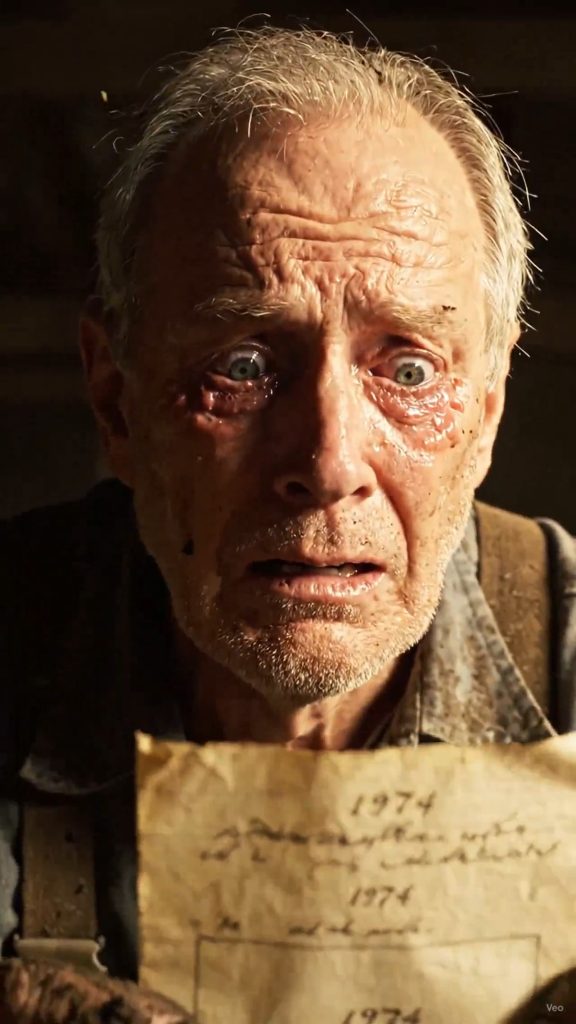


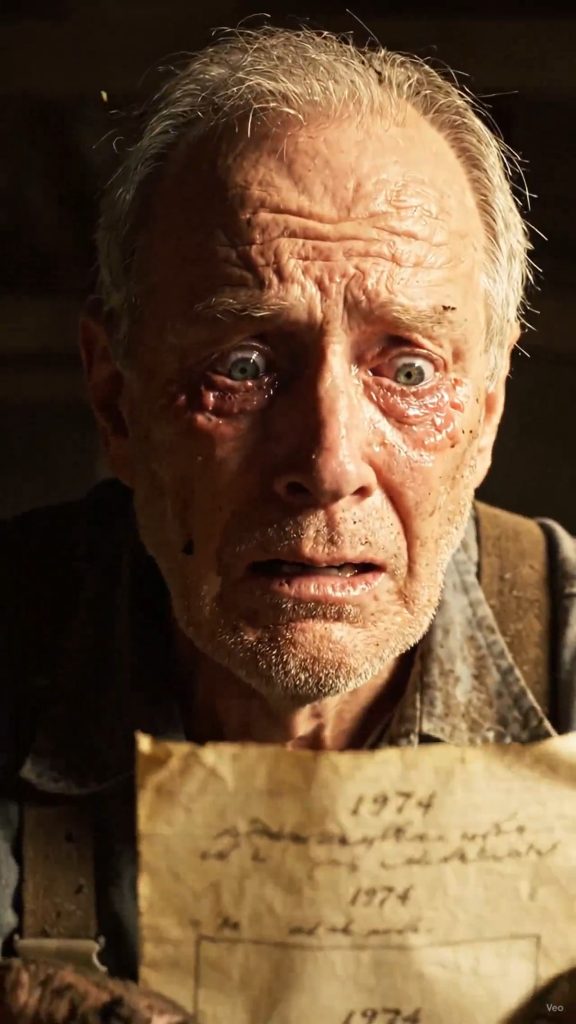

The morning sun, usually a welcome sight, felt like a cruel spotlight. I had the ledger on my kitchen table, its copied pages spread out. Major, sensing my agitation, stayed close, nudging his head against my leg. My plan was clear: take this new, irrefutable proof to the county sheriff. This wasn’t just a letter; it was financial documentation of a crime.
I was lacing my boots, Major’s leash in my hand, when I heard the crunch of gravel outside. Not one vehicle, but two.
I stepped onto the porch just as a county patrol car and a battered municipal truck pulled up to my dirt driveway. Councilman Marcus Brody emerged from the patrol car, his suit jacket already off, a forced smile on his face that didn’t reach his eyes. Behind him, two men in municipal code enforcement uniforms stepped out of the truck.
Brody held a clipboard in one hand, a pen in the other. He waved it casually.
“Arthur,” he said, his voice sickeningly smooth. “A beautiful morning, isn’t it?”
My jaw tightened. “Councilman. To what do I owe this visit?”
“Just following up,” he replied, strolling toward my porch, the code enforcement officers fanning out slightly, their gazes fixed on my shed. “Concerns have been raised. Safety, primarily.”
My eyes darted to the shed, its rickety frame and leaning door a familiar sight. The ammo box, along with my mother’s letter, was hidden deep inside, beneath a loose floorboard I’d replaced after Major dug it up. Brody knew exactly where my evidence was.
“What concerns?” I asked, a tremor in my voice.
Brody stopped at the foot of my porch steps, looking up at me. He tapped the clipboard with his pen.
“Frankly, Arthur, the work shed on your property has been deemed a significant hazard.” He gestured vaguely with the clipboard. “Structural instability. Fire code violations. Blight, in a word.”
One of the code enforcement officers, a burly man with a hard hat, already had a camera out, snapping pictures of the shed.
“An emergency blight condemnation notice,” Brody said, his voice losing its veneer of politeness. He pulled a bright yellow sheet from his clipboard. “Effective immediately.”
He walked up the steps and, with a flourish, slapped the notice onto my front door. The paper crinkled loudly.
“You have seventy-two hours, Arthur,” he stated, his voice flat and authoritative. “The structure is slated for immediate demolition.”
My stomach dropped. Seventy-two hours. He wasn’t just threatening my pension. He was coming for the physical evidence itself, for the ground where Major had dug. This was not a coincidence. This was a direct, coordinated attack.
“You can’t do this,” I said, my voice hoarse. “There’s nothing wrong with that shed.”
Brody turned, his expression now completely devoid of pretense. His eyes were cold and unyielding.
“The county says otherwise. And the county has the authority, Arthur.”
He gave a slight, almost imperceptible nod to the code enforcement officers. One of them pulled out a yellow warning tape, clearly prepared to rope off the shed as unsafe.
“Any interference will be met with full legal action,” Brody added, stepping back down the porch steps. “I’d advise you to cooperate.”
He got back into the patrol car, giving me one last, triumphant look before the engine rumbled to life. The code enforcement truck followed. They left me standing there, the yellow notice glaring on my door, the silence of their departure punctuated only by the distant hum of the sheriff’s car fading down the road.
My shed. My evidence. The very ground my mother had walked on. All of it was marked for destruction.
More Stories






+ There are no comments
Add yours