
At sixty-eight years old, I took in Major, an eight-year-old retired arson hound left homeless after the county disbanded his unit.
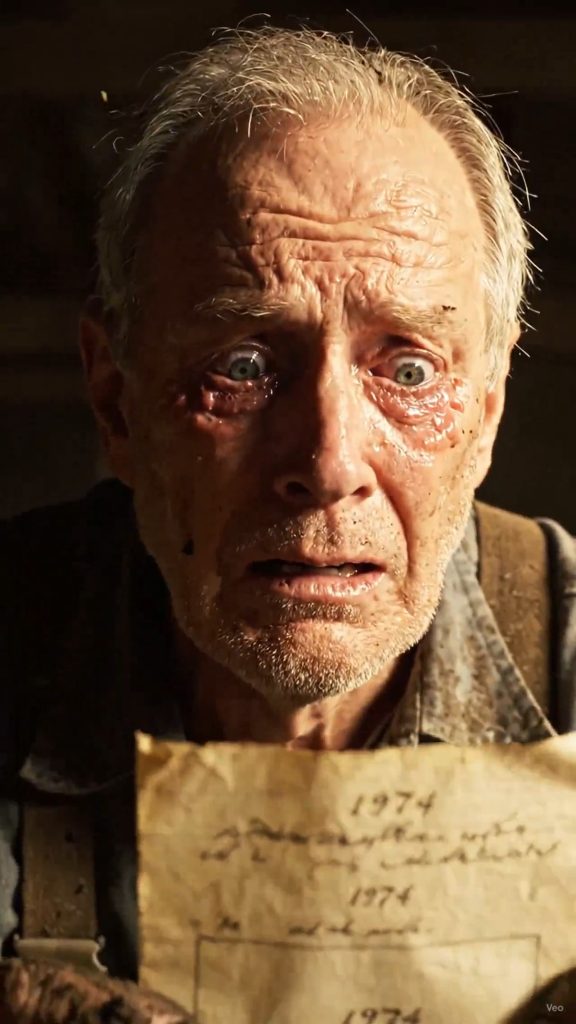



My truck sat on the shoulder of the county road, overlooking what used to be my property. The yellow tape was gone, replaced by a fresh “No Trespassing” sign, but the shed still stood, for now. Forty-eight hours had come and gone. I was exiled, a man without a home, living out of his pickup. Major was my only constant companion, his warm bulk a comforting weight in the cab beside me.
The sun rose and set, painting the condemned cottage in hues of orange and purple. Each sunrise felt like a new beginning, each sunset a somber reminder of what I had lost. But the loss also brought a strange clarity. There was nothing left for them to take.
I knew George was scheduled to receive a lifetime public service commendation from the Town Historical Society. It was a yearly gala, a social event for the town’s elite, held at the civic center. A celebration of George Higgins, the benevolent elder statesman. The irony was a bitter taste in my mouth.
This was my last chance. My last resort. If the law wouldn’t hear me, if my home could be taken, then the public would have to know.
I spent the day preparing. I shaved, put on my cleanest, albeit wrinkled, shirt and trousers. Major got a good brushing, his coat gleaming despite our circumstances. He looked at me with those knowing, intelligent eyes, as if understanding the gravity of our mission.
I double-checked the canvas bag under the seat. Inside, nestled among a few spare rags, was the original ammo box. My mother’s letter, Chief Kincaid’s ledger copies – everything. I would bring it all.
As dusk settled, I drove toward the civic center. The lights of the building glowed in the distance, a beacon of polite society and carefully constructed facades. Valet parkers, expensive cars, the muffled sound of laughter from within. It was a world George inhabited, a world I had always stood at the edge of, even when he pretended I was part of it.
I parked several blocks away, out of sight. My heart pounded, a frantic drum against my ribs. This wasn’t about revenge, not anymore. It was about truth. My mother’s truth, my brothers’ truth. It was about exposing the lies that had built George’s legacy.
I adjusted the canvas bag on my shoulder, its weight familiar. Major gave a soft whimper, nudging his head against my hand.
“Wish me luck, boy,” I whispered, stroking his fur.
He licked my hand.
I stepped out of the truck and walked toward the civic center, a man with nothing but a canvas bag and a truth that refused to stay buried. I would crash the gala. I would make George Higgins answer, not in a courtroom, but in front of the very people he had spent a lifetime deceiving.
More Stories

+ There are no comments
Add yours