
At sixty-eight years old, I took in Major, an eight-year-old retired arson hound left homeless after the county disbanded his unit.
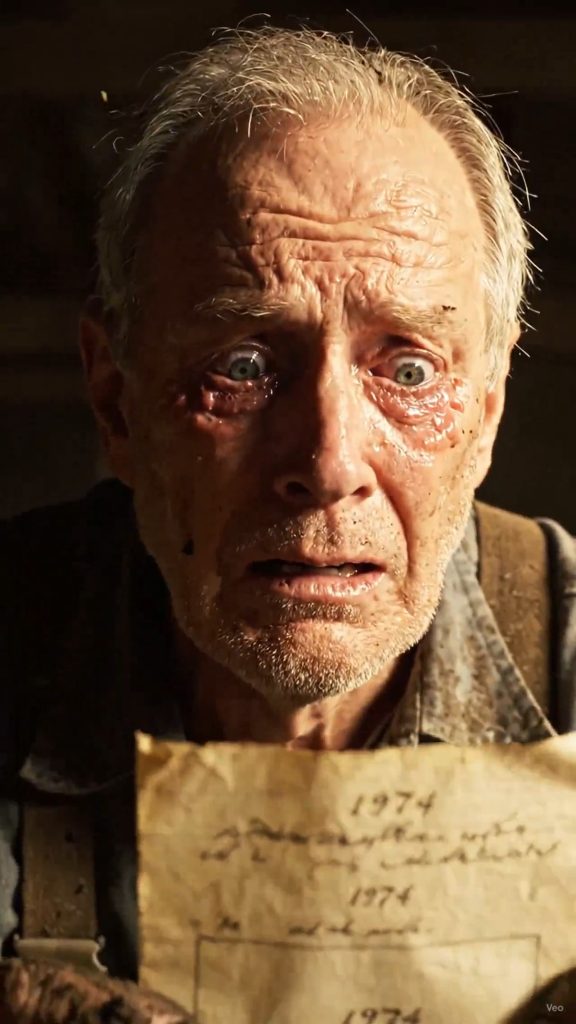


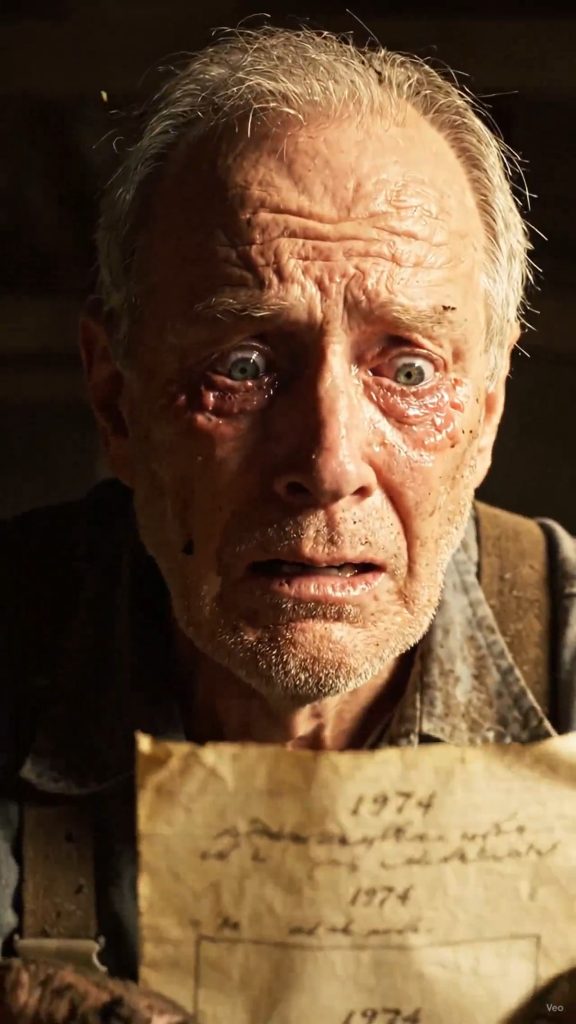
Two years later, the air was still cold, still damp, in the drafty, tiny rental cottage on the county line. My retirement savings, once substantial enough for a modest life, had been severely reduced by the lost pension and the legal fees from fighting Brody’s municipal assault. I lived frugally, the quiet echo of a battle lost, not won.
Major lay beside me on the small front porch, on his old blanket, his muzzle now entirely grey. His arthritic hips still made him groan when he moved, but his presence was a constant, comforting weight against my boot. We were a pair, survivors of a peculiar war.
The morning sky was an identical grey line, just like so many mornings before. Life had settled into a quiet, almost melancholic rhythm. The public scandal had faded into local lore, a whispered cautionary tale among town elders, but George’s wealth, as predicted, remained untouched, bequeathed to the political trusts he had nurtured for decades.
My flip phone, an relic in an age of smartphones, buzzed on the wooden railing. It was an unfamiliar number, but I picked it up.
“Mr. Higgins?” A woman’s crisp, professional voice.
“Speaking.”
“This is Administrator Jenkins from Magnolia Manor.”
My heart gave a faint, tired lurch. I knew why she was calling.
“I’m calling to inform you,” she continued, her voice devoid of any warmth, “that George Higgins passed away peacefully in his sleep approximately twenty minutes ago.”
She paused, as if expecting a reaction. I gave none.
“His estate,” she added, almost as an afterthought, “has been disbursed according to his final wishes, primarily to various political and charitable trusts.”
No further details. No condolences. Just a fifteen-second call, a bureaucratic duty. He had died in comfort, in luxury, untouched by the consequences of his actions, his legacy of stolen wealth intact. I, his adopted son, received nothing. Not a single cent. Not even a final word.
I hung up the phone without a word, placing it back on the railing. The grey morning line stretched out before me, unbroken, unchanging. Major stirred, his eyes opening, then closing again as he leaned into my touch.
The truth didn’t rebuild the house or give me back my mother, but it let me sit in the cold and know my own name. I was Arthur. Not George’s son, not his pawn. Just Arthur, forever trapped in the quiet echo of my father’s unpunished past, surviving.
More Stories


+ There are no comments
Add yours