
At sixty-eight years old, I took in Major, an eight-year-old retired arson hound left homeless after the county disbanded his unit.
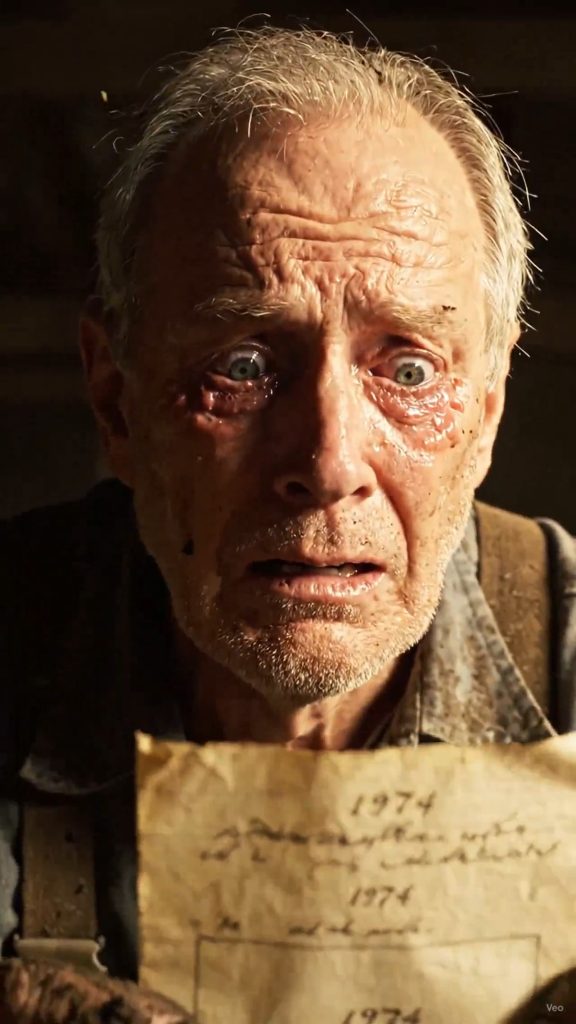


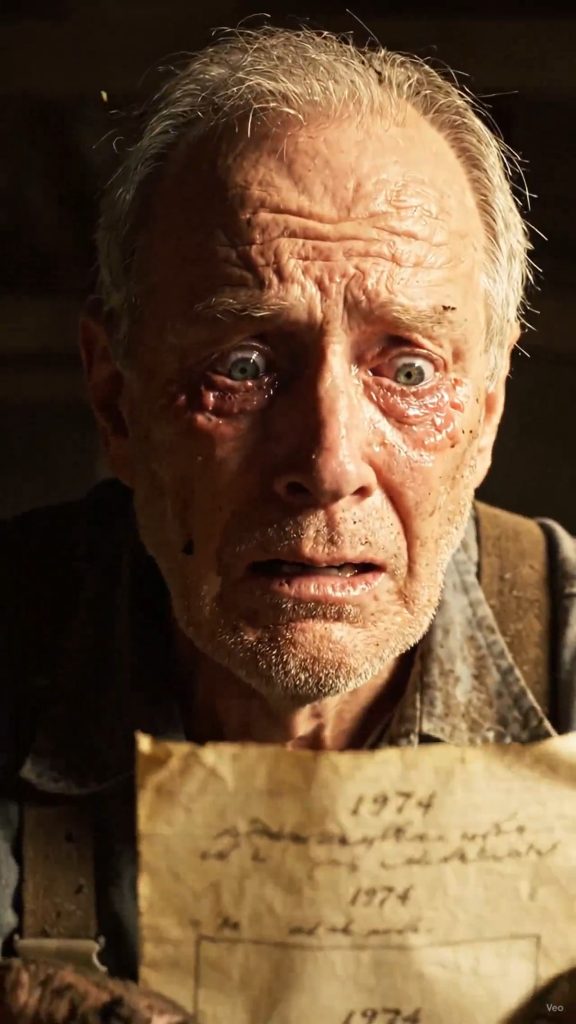

The civic center ballroom buzzed with the polite hum of conversation and clinking glasses. Chandeliers cast a warm, golden glow on the faces of the town’s most influential citizens. George Higgins, frail but resplendent in a dark suit, sat in his wheelchair on the stage, a place of honor, beside a beaming Councilman Brody. George’s name was being etched onto a new plaque for the “Lifetime Public Service Commendation.” The irony made my stomach churn.
I slipped in through a side door, the canvas bag heavy on my shoulder. No one stopped me. I was just Arthur Higgins, the retired firefighter, a familiar face, albeit a gaunt one. My eyes scanned the room, finding an opening in the crowded center aisle. This was my moment.
I took a deep breath, clutching the canvas bag. I started to move, slow and deliberate, toward the stage. My plan was to walk to the podium, open the box, and read my mother’s letter. To force the truth into the open, once and for all.
My hand was already reaching for the flap of the bag as I took another step forward.
Then, a voice boomed from the stage, cutting through the murmurs of the crowd.
“Ladies and gentlemen, your attention please!”
It wasn’t Brody. It was Walter Albright, the County Records Archivist, a man I vaguely recognized from my time trying to navigate county bureaucracy. Albright, meticulous and rule-bound, stood at the podium, clutching a thick stack of papers. He was not on the program.
A ripple of confusion went through the crowd. George, on stage, gave Albright a bewildered look. Brody’s smile faltered, replaced by a flicker of annoyance.
“I apologize for the interruption,” Albright announced, his voice clear and resonant. “But as County Archivist, I have a statutory duty to perform.”
He cleared his throat, adjusting his glasses.
“At the stroke of midnight, two days ago, a mandatory fifty-year statutory probate audit was automatically triggered by state law. This audit pertains to all Oconee County land transfers and related financial dispositions from the year 1974.”
A hush fell over the room. Fifty years. 1974. My heart hammered against my ribs.
Albright unfolded the top page of his stack. “This audit reveals,” he continued, his voice devoid of emotion, “full public documentation of a significant fraudulent land transaction involving the 120-acre Pine Creek timberland parcel.”
He paused, letting the words sink in. George, in his wheelchair, suddenly seemed to shrink. Brody’s face had gone ashen.
“Specifically,” Albright pressed on, reading from the document, “records indicate that George Higgins, then a county commissioner, completed the sale of said timberland for one hundred eighty-five thousand dollars ($185,000) on October 12, 1974.”
The ballroom erupted in gasps. Whispers spread like wildfire. George had sold the land *before* the fire.
“Furthermore,” Albright announced, his voice gaining a slight edge, “the audit has uncovered conclusive evidence that insurance proceeds for the subsequent and rapidly declared ‘accidental’ fire on October 15, 1974, were also directed into accounts controlled by Mr. Higgins, creating a dual financial benefit from both the sale and the destruction of the property.”
The room plunged into chaos. Chairs scraped, people shouted, photographers surged forward. George sat motionless on the stage, his face blank, like a statue. Brody, next to him, looked utterly terrified, his eyes darting frantically around the room.
I stood frozen in the aisle, my canvas bag still clutched in my hand. My mother’s letter, unread, remained inside the ammo box. The truth, the full, devastating truth, had been revealed. Not by me, not by my desperate act, but by a cold, impartial, bureaucratic audit.
Then, a stern-faced woman in the front row, who I recognized as a state prosecutor, stepped forward. She held up her hand, demanding silence.
“Ladies and gentlemen, please!” she said, her voice cutting through the din. “I must make an official statement.”
The noise died down, replaced by an anxious, expectant silence.
“While the findings of this statutory audit are indeed grave,” the prosecutor stated, her voice formal, “I must regretfully inform you that due to the fifty-year civil statute of limitations expiring exactly two days prior to this audit’s unsealing, no civil charges can be pursued for financial recovery.”
A collective moan of disbelief swept through the room.
“Furthermore,” she continued, “given Mr. Higgins’s documented clinical cognitive decline, and the elapsed time since the incident, no criminal charges for arson or fraud can be brought against him.”
The words hit me like a physical blow. No charges. No financial recovery. George Higgins was immune. The truth was out, but justice, in any legal sense, was denied.
More Stories








+ There are no comments
Add yours